Films
3 films
About Mario Voller-Buzzi
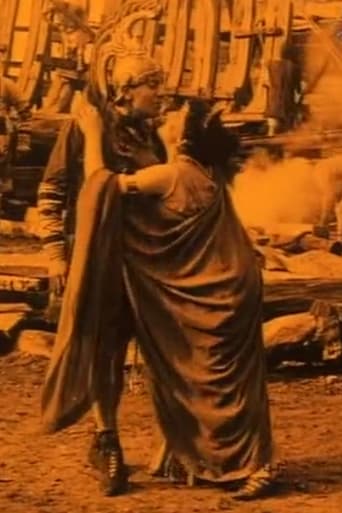
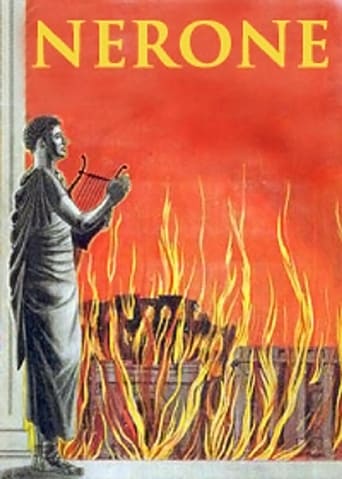
Early Italian silent film actor who emerged during the years of cinema, appearing in several notable productions between 1909 and 1912. His career coincided with the birth of Italian cinema's golden age, a period when Italian filmmakers were establishing cinematic language and techniques. Voller-Buzzi appeared in historical epics and dramatic adaptations that were characteristic of early Italian cinema's grand ambitions. His role in 'Nero, or The Fall of Rome' (1909) placed him among the actors working in Italy's early historical spectacles, which would later influence the epic genre worldwide. Mario Voller-Buzzi also participated in 'Didone abbandonata' (1910), an adaptation of the classic story of Dido from Virgil's Aeneid, demonstrating the early Italian film industry's focus on literary and historical subjects. His brief but significant the crucial transition period when cinema was evolving from novelty to art form. Unfortunately, like many actors from this earliest era of film, detailed records of his life and career remain scarce.
The Craft
On Screen
As a silent era actor, Voller-Buzzi would have employed the exaggerated gestures and facial expressions typical of early cinema, where acting needed to convey emotion without dialogue. His performances in historical epics suggest he was skilled in the dramatic, theatrical style required for grand historical subjects. Like many actors of this period, his technique likely drew heavily from stage acting traditions adapted for the camera.
Milestones
- Appeared in 'Nero, or The Fall of Rome' (1909)
- Starred in 'Didone abbandonata' (1910)
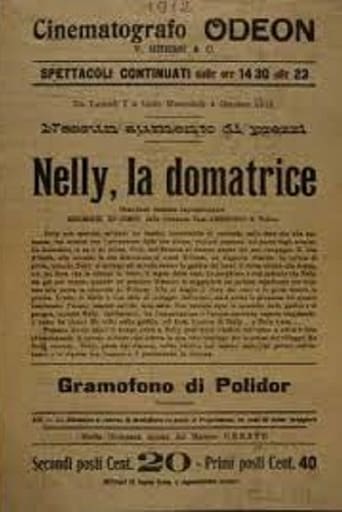
- Featured in 'Nelly, the Tamer' (1912)
- Participated in early Italian historical epics
- Worked during the era of Italian cinema
Best Known For
Iconic Roles
Must-See Films
Why They Matter
Impact on Culture
Mario Voller-Buzzi represents the generation of actors who helped establish the foundation of Italian cinema during its formative years. His participation in early historical epics contributed to Italy's reputation as a leader in grand cinematic spectacles during the silent era. These early Italian historical films would later influence Hollywood epics and establish conventions for the genre that would persist for decades. Though his individual contributions may be difficult to trace precisely, actors like Voller-Buzzi were essential in developing the visual language of cinema and proving that film could handle complex historical and literary subjects.
Lasting Legacy
Mario Voller-Buzzi's legacy lies primarily in his contribution to the earliest days of Italian cinema, a period that established many of the storytelling techniques and genre conventions that would influence global filmmaking. His work in historical epics during 1909-1912 places him among the pioneers who demonstrated cinema's potential for grand storytelling. While many of these early films and their performers have been lost to time, the surviving records of actors like Voller-Buzzi help film historians understand the development of acting styles and cinematic techniques during cinema's crucial first decade.
Who They Inspired
As an actor from the very earliest period of cinema, Mario Voller-Buzzi's direct influence on later performers is difficult to trace, but he was part of the generation that established acting conventions for silent film. The dramatic, expressive style required for historical epics in which he appeared would influence subsequent generations of actors in similar genres. His work contributed to the Italian tradition of dramatic, passionate performance that would later become characteristic of Italian cinema.
Off Screen
Very little is documented about Mario Voller-Buzzi's personal life, which is typical for actors from the earliest days of cinema when personal details were rarely recorded or preserved. Like many performers of his era, his life story remains largely unknown to modern film historians.
Did You Know?
- Appeared in films during the very first decade of Italian cinema's existence
- Participated in early historical epics that established Italy as a leader in grand cinematic productions
- His active years covered only three years, typical of many early film actors who moved on to other professions
- Worked in an era when most films were very short, often under 15 minutes
- Appeared in adaptations of classical literature, showing early cinema's literary ambitions
- His films were made during a period when Italian cinema was among the most innovative in the world
- Like many early film actors, he likely had a background in theater
- Worked before the star system was established, when actors were rarely credited by name
Frequently Asked Questions
Who was Mario Voller-Buzzi?
Screen credits include several films between 1909 and 1912, including historical epics like 'Nero, or The Fall of Rome' and 'Didone abbandonata.' He was part of the generation of actors who helped establish Italian cinema during its formative years.
What films is Mario Voller-Buzzi best known for?
Titles linked here include Nero, or The Fall of Rome (1909), Didone abbandonata (1910).
When was Mario Voller-Buzzi born and when did he die?
Unfortunately, the birth and death dates of Mario Voller-Buzzi are not documented, which is common for actors from the very earliest era of cinema when personal records were not systematically preserved.
What awards did Mario Voller-Buzzi win?
Mario Voller-Buzzi did not receive any documented awards, as the formal award systems for cinema, including the Academy Awards, were not established until after his brief acting career had ended.
What was Mario Voller-Buzzi's acting style?
As a silent era actor, Mario Voller-Buzzi would have used the exaggerated gestures and dramatic facial expressions typical of early cinema, where emotions needed to be conveyed without dialogue. His work in historical epics suggests he employed the theatrical, dramatic style required for grand historical subjects.