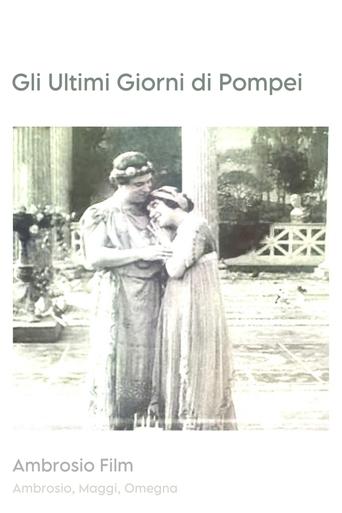
Films
3 films
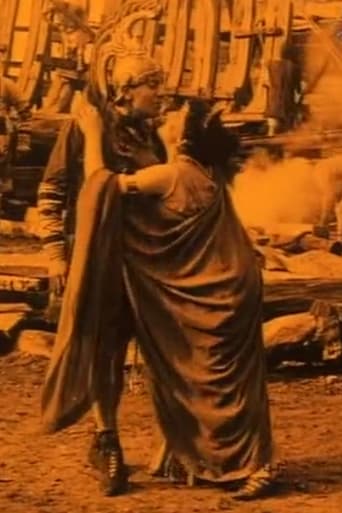
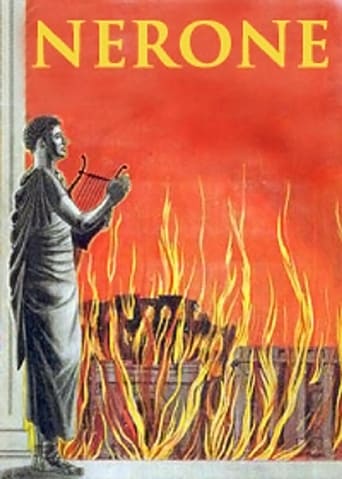
About Mirra Principi
Early Italian silent film actress who worked during the years of cinema between 1908 and 1910. Mirra appears in several significant Italian historical epics that were among the earliest feature-length films produced in Italy. Her career, though brief, coincided with the birth of the Italian film industry's golden age of historical spectacles. Principi specialized in roles in grand historical productions that were becoming Italy's signature contribution to early world cinema. Her performances in films like 'The Last Days of Pompeii' and 'Nero, or The Fall of Rome' placed her among the first generation of film actors in Italy. Like many actors from this transitional period between stage and screen, her career was likely cut short as the film industry rapidly evolved and professionalized. Her work represents the very earliest attempts at cinematic storytelling in Italy, a period when acting techniques were still being developed for the new medium.
The Craft
On Screen
As an early silent film actress, Mirra Principi likely employed theatrical, exaggerated gestures typical of the period, where actors had to convey emotion without dialogue. Her performances in historical epics would have required grand, dramatic movements to communicate across the large sets and to audiences unaccustomed to film acting. The acting style of this era was heavily influenced by stage traditions, with emphasis on facial expressions and body language that could be clearly read on screen.
Milestones
- Appeared in 'The Last Days of Pompeii' (1908), one of cinema's earliest epic films
- Starred in 'Nero, or The Fall of Rome' (1909), an early Italian historical spectacle
- Featured in 'Didone abbandonata' (1910), an adaptation of the classic tragic story
Best Known For
Iconic Roles
Must-See Films
Working Relationships
Studios
Why They Matter
Impact on Culture
Mirra Principi represents the generation of Italian cinema during its formative years. Her participation in early historical epics contributed to establishing Italy's reputation for grand cinematic spectacles that would later influence filmmakers worldwide. These early films, though primitive by modern standards, were instrumental in developing the language of cinema and establishing historical drama as a significant genre. The work of actresses like Principi helped bridge the gap between theatrical traditions and the emerging art of film acting, laying groundwork for future generations of Italian performers.
Lasting Legacy
Mirra Principi's legacy lies in her contribution to the very foundations of Italian cinema during its birth in the late 1900s. Though her career was brief and her name largely forgotten to mainstream film history, she represents the countless early actors who helped establish film as a new medium of artistic expression. Her appearances in some of cinema's earliest historical epics place her among the pioneers who proved that film could handle grand, dramatic narratives. The preservation of her films, even in fragmented form, provides valuable insight into the evolution of cinematic acting and storytelling techniques.
Who They Inspired
As an early silent film actress, Mirra Principi's direct influence on later performers is difficult to trace due to the limited documentation of her work and career. However, like all actors from this era, she contributed to the development of film acting techniques that would evolve and refine over the following decades. Her work in historical epics helped establish templates for performance in grand scale productions that would influence countless actors in Italian cinema's golden age of the 1910s and beyond.
Off Screen
Very little is documented about Mirra Principi's personal life, which is common for actors from the very early silent era. As an actress working in Italy between 1908-1910, she was part of the generation of film performers during a time when cinema was still establishing itself as a legitimate art form and profession. Records from this period are often incomplete or lost entirely.
Did You Know?
- Mirra Principi's entire known film active years covered only three years, from 1908 to 1910
- She appeared in some of the earliest feature-length films ever produced in Italy
- All of her known films were historical epics, reflecting Italy's early specialization in this genre
- The films she appeared in were among the first to demonstrate cinema's potential for grand storytelling
- Her career coincided with the transition from short films to feature-length productions
- Like many early film actors, she likely came from a theatrical background
- The preservation status of her films is unknown, as many early Italian films have been lost
- Her name 'Principi' means 'principles' or 'princes' in Italian
- She worked during a period when film acting was still developing its own distinct techniques
Frequently Asked Questions
Who was Mirra Principi?
Early Italian silent film actress active between 1908-1910, known for appearing in historical epics during the birth of Italian cinema.
What films is Mirra Principi best known for?
Titles linked here include The Last Days of Pompeii (1908), Nero, or The Fall of Rome (1909).
When was Mirra Principi born and when did she die?
Specific birth and death dates for Mirra Principi are not documented, which is common for actors from the very early silent era.
What awards did Mirra Principi win?
No awards or honors are documented for Mirra Principi, as formal film awards did not exist during her brief career in the late 1900s.
What was Mirra Principi's acting style?
Like actors of the early silent era, she likely used theatrical, exaggerated gestures and dramatic expressions to convey emotion without dialogue, typical of the period's acting techniques.