Films
2 films
About Ercole Vaser
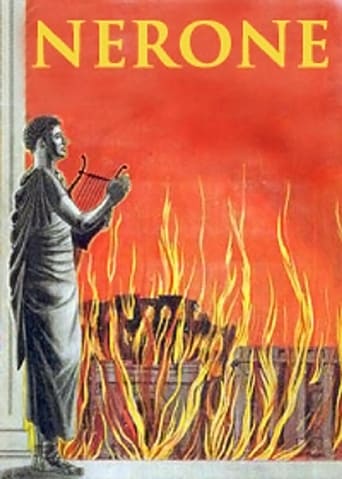
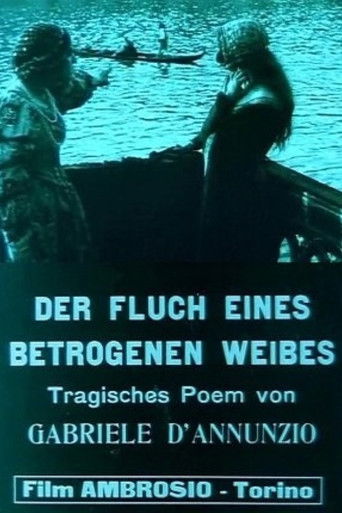
Ercole Vaser worked on one surviving credit: Nero, or The Fall of Rome (1909). His career, though brief from 1909 to 1911, coincided with the birth of narrative filmmaking and the emergence of Italian cinema as a major force in early European film production. Vaser appeared in historical epics that were characteristic of early Italian cinema, which was known for its lavish productions and historical subjects. His most notable work was in 'Nero, or The Fall of Rome' (1909), one of the earliest cinematic depictions of the Roman Empire, which showcased the ambitious scale that Italian filmmakers were already achieving. In 'A Blind Retribution' (1911), he demonstrated his versatility in what appears to be a dramatic narrative piece. Like many actors of this period, Vaser's career was likely influenced by the rapidly evolving technology and techniques of early filmmaking, as well as the transition from theatrical performance styles to the more subtle requirements of the camera. His filmography, though limited, represents the important work being done in establishing cinema as a legitimate art form during its first decade.
The Craft
On Screen
Like most actors of the early silent era, Vaser likely employed exaggerated gestures and dramatic expressions typical of theatrical acting adapted for the camera. Early silent film actors needed to convey emotion and narrative through physical expression alone, as intertitles were limited and sound technology had not yet been developed. His performances would have been influenced by the grand, melodramatic style popular in early 20th century theater and cinema.
Milestones
- Appeared in 'Nero, or The Fall of Rome' (1909), one of early Italian cinema's historical epics
- Starred in 'A Blind Retribution' (1911)
- Worked during the foundational period of silent cinema
- Participated in Italy's early film industry boom
Best Known For
Iconic Roles
Must-See Films
Working Relationships
Worked Often With
Studios
Why They Matter
Impact on Culture
Ercole Vaser represents the generation of actors who helped establish cinema as a narrative art form during its first decade. His work in early Italian historical epics contributed to the development of cinematic storytelling techniques and helped establish Italy as a major force in early global cinema. The films he appeared in were part of the movement that proved cinema could handle complex historical narratives and large-scale productions, paving the way for the epic films that would follow.
Lasting Legacy
Though his career was brief and occurred over a century ago, Ercole Vaser's legacy lies in his contribution to the foundational period of cinema. The films he participated in, particularly historical epics like 'Nero, or The Fall of Rome,' represent important early examples of cinema's potential for grand storytelling. His work, along with that of other early film actors, helped establish the acting techniques and performance styles that would evolve throughout the silent era and beyond.
Who They Inspired
As an early cinema actor, Vaser's influence would have been primarily on his contemporaries in the burgeoning Italian film industry, helping to establish acting conventions for the new medium. The historical epics he appeared in influenced the genre's development and demonstrated cinema's capacity for ambitious storytelling, which would inspire filmmakers and actors in subsequent years.
Off Screen
Very little documented information exists about Ercole Vaser's personal life, which is common for actors from the earliest days of cinema when film performers were not yet celebrities and personal documentation was limited. Like many early film actors, he may have come from a theatrical background before transitioning to the new medium of motion pictures.
Education
null
Did You Know?
- His name 'Ercole' is Italian for 'Hercules', a common name in Italy
- He was active during cinema's first decade when films were typically under 15 minutes long
- Italian cinema of his era was known for its historical epics and lavish productions
- Early silent actors often had theatrical backgrounds before transitioning to film
- The films he appeared in were made before Hollywood became the dominant film center
- Early cinema actors like Vaser were rarely credited by name in films
- His active years covered only three years, typical of many early film actors
- He worked during the period when film was transitioning from novelty to art form
Frequently Asked Questions
Who was Ercole Vaser?
Italian with credits in this catalog. He appeared in historical epics and dramatic films during cinema's foundational years, including 'Nero, or The Fall of Rome' (1909) and 'A Blind Retribution' (1911).
What films is Ercole Vaser best known for?
Titles linked here include Nero, or The Fall of Rome (1909), A Blind Retribution (1911).
When was Ercole Vaser born and when did he die?
Born null; died null.
What awards did Ercole Vaser win?
Ercole Vaser did not receive any documented awards or nominations, which was typical for actors during the very early days of cinema before formal award systems were established. The first Academy Awards ceremony would not occur until 1929, nearly two decades after his career ended.
What was Ercole Vaser's acting style?
Ercole Vaser's acting style would have been characteristic of early silent era performers, featuring exaggerated gestures and dramatic expressions necessary to convey emotion without dialogue. Like actors of his time, he likely adapted theatrical performance techniques for the camera, using physical expression to communicate narrative and emotion to audiences.