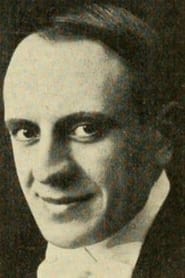
Alberto Capozzi
Actor
Born: July 8, 1886 in Genoa, Italy Died: June 11, 1945 Active: 1909-1928
Films
2 films
About Alberto Capozzi
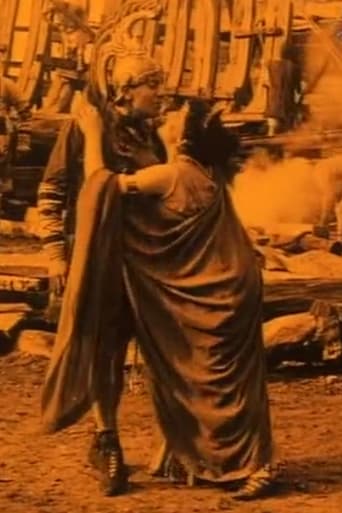
Italian actor who rose to prominence during the golden age of Italian silent cinema. Born in Genoa in 1886, he began his film career in 1909, quickly becoming one of Italy's leading matinee idols. Capozzi was known for his commanding screen presence and dramatic intensity, which made him particularly suited for historical epics and dramatic roles that dominated early Italian cinema. Throughout the 1910s, he appeared in numerous productions for major Italian studios like Itala Film and Milano Films, often portraying historical figures and romantic leads. His performance as Emperor Nero in the 1909 epic 'Nero, or The Fall of Rome' established him as a star of the burgeoning Italian film industry. Capozzi continued to be active throughout the silent era, though his career waned with the transition to sound films in the late 1920s. He spent his final years in his native Genoa, where he passed away in 1945, leaving behind a legacy as one of early Italian cinema's most leading men.
The Craft
On Screen
Capozzi embodied the theatrical, exaggerated acting style typical of the silent era, characterized by broad gestures and intense facial expressions that could convey emotion without dialogue. His performances were marked by a commanding physical presence and dramatic intensity that suited the grand historical epics popular in early Italian cinema. He had particular skill in portraying authority figures and tragic heroes, using his tall stature and expressive features to create memorable characters on screen.
Milestones
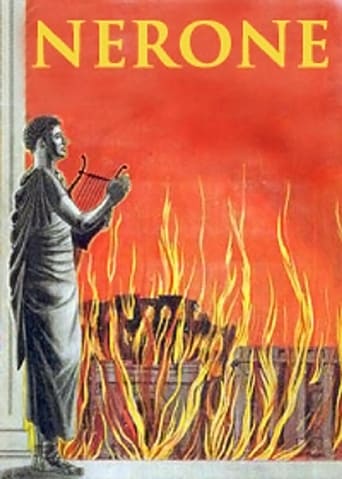
- Starred in 'Nero, or The Fall of Rome' (1909), one of early Italian cinema's most ambitious productions
- Led role in 'Didone abbandonata' (1910), establishing himself as a dramatic leading man
- Became one of Itala Film's principal actors during their golden period
- Transitioned successfully from shorts to feature-length films as the medium evolved
- Worked with Italian directors including Luigi Maggi and Mario Caserini
Best Known For
Iconic Roles
Must-See Films
Accolades
Special Recognition
- Recognized as one of the stars of Italian silent cinema
- Featured in historical retrospectives of early Italian film
Working Relationships
Worked Often With
Studios
Why They Matter
Impact on Culture
Alberto Capozzi was instrumental in establishing the archetype of the Italian leading man during the formative years of cinema. His work in historical epics helped define the grand, spectacular style that would become synonymous with Italian silent cinema, particularly in films like 'Nero, or The Fall of Rome' which showcased Italy's cinematic ambitions to international audiences. Capozzi's screen presence contributed to the global perception of Italian cinema as a producer of lavish historical dramas, a reputation that would continue through directors like Cabiria and into the peplum genre of later decades.
Lasting Legacy
Alberto Capozzi's legacy lies in his role as one of the foundational stars of Italian cinema during its silent era. While many of his films have been lost to time, his surviving work provides valuable insight into early Italian filmmaking techniques and acting styles. He represents the transition from theatrical traditions to cinematic performance, helping establish a distinctly Italian approach to screen acting that would influence subsequent generations. Film historians and preservationists continue to study his work as an example of early 20th century European cinema at its most ambitious.
Who They Inspired
Capozzi's dramatic style and commanding screen presence influenced the development of the Italian leading man archetype throughout the silent era and beyond. His work in historical epics helped establish standards for performance in grand-scale productions that would influence actors in subsequent Italian spectacles. While direct documentation of his mentorship is limited, his performances served as models for actors entering Italian cinema during the 1910s and 1920s, particularly in the realm of dramatic and historical roles.
Off Screen
Alberto Capozzi was born into a middle-class family in Genoa and maintained strong ties to his hometown throughout his life and career. Despite his film stardom, he was known as a private individual who kept his personal affairs out of the public eye. He never married and had no children, dedicating himself primarily to his craft during the height of his fame. In his later years, as his film career diminished, he returned to Genoa where he lived quietly until his death in 1945, just as World War II was ending in Europe.
Education
Limited information available, but likely received formal education in Genoa before entering the theatrical world
Did You Know?
- Was one of the first true movie stars in Italy, transitioning from stage to screen during cinema's infancy
- His 1909 film 'Nero, or The Fall of Rome' was
- Like many silent film stars, his career declined dramatically with the advent of sound technology in the late 1920s
- Worked during what is now considered the golden age of Italian silent cinema (1910s-1920s)
- Many of his films are now considered lost, a common fate for early cinema
- Was particularly popular with Italian audiences for his portrayals of historical and mythological figures
- His height and commanding presence made him ideal for the epic productions that dominated early Italian cinema
- Never made the transition to sound films, retiring as the industry underwent technological transformation
In Their Own Words
(No documented quotes from Alberto Capozzi survive, as was common for silent era actors who primarily expressed themselves through performance rather than words)
Frequently Asked Questions
Who was Alberto Capozzi?
Italian with credits in this catalog. He was one of Italy's first movie stars and a leading figure during the golden age of Italian silent cinema.
What films is Alberto Capozzi best known for?
Titles linked here include Nero, or The Fall of Rome (1909), Didone abbandonata (1910).
When was Alberto Capozzi born and when did he die?
Born July 8, 1886; died June 11, 1945.
What was Alberto Capozzi's acting style?
Capozzi employed the theatrical, exaggerated acting style typical of the silent era, characterized by dramatic gestures and intense facial expressions. He was particularly effective in portraying authority figures and historical characters in grand epic productions.
Why did Alberto Capozzi's career end?
Like many silent film stars, Capozzi's career declined with the advent of sound technology in the late 1920s. He was unable to make the transition to talking films and retired from the movie industry as cinema underwent this technological transformation.