Films
5 films
About Ernesto Vaser
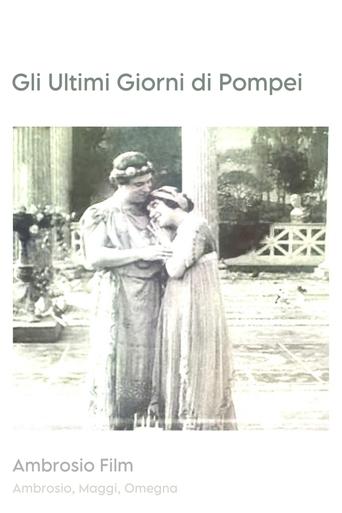
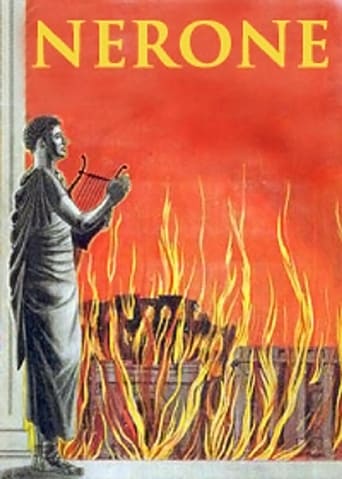
Ernesto Vaser is credited on a single production — The Last Days of Pompeii (1908). His career coincided with the golden age of Italian silent cinema, when the country was one of the world's leading film producers. Vaser appeared in numerous historical epics and dramatic productions that showcased the technical and artistic ambitions of early Italian filmmakers. His performances in films like 'The Last Days of Pompeii' (1908) and 'Nero, or The Fall of Rome' (1909) demonstrated his ability to portray complex characters in grand historical settings. Throughout his decade-long career, Vaser worked with some of Italy's directors and helped establish the acting techniques that would define silent cinema performance. His filmography reflects the diversity of early Italian cinema, ranging from historical spectacles to intimate character studies. Though his career was relatively brief by modern standards, Vaser's contributions to the development of Italian film acting were significant during this crucial period of cinema's evolution.
The Craft
On Screen
Ernesto Vaser's acting style was characteristic of the silent era, emphasizing exaggerated gestures and facial expressions to convey emotion without dialogue. His performances in historical epics required grand, theatrical movements suitable for the large-scale productions typical of early Italian cinema. Vaser demonstrated particular skill in portraying dramatic transformation and emotional conflict, essential for the melodramatic narratives popular in silent films. His technique combined the traditions of stage acting with the emerging requirements of cinema, adapting theatrical expressiveness to the intimate medium of film.
Milestones
- Starred in 'The Last Days of Pompeii' (1908), one of the earliest Italian historical epics
- Appeared in 'Nero, or The Fall of Rome' (1909), showcasing Italian cinema's ambition for historical productions
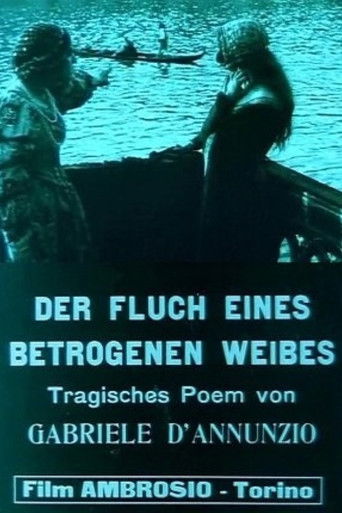
- Featured in 'A Blind Retribution' (1911), demonstrating range beyond historical epics
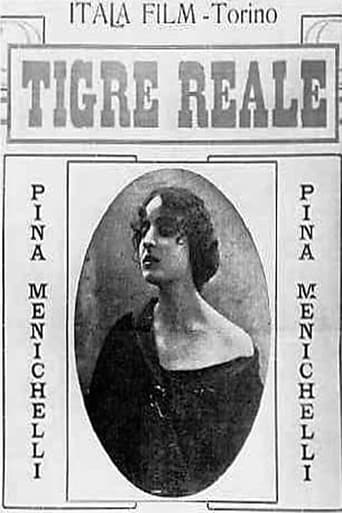
- Performed in 'The Royal Tigress' (1916), later career role
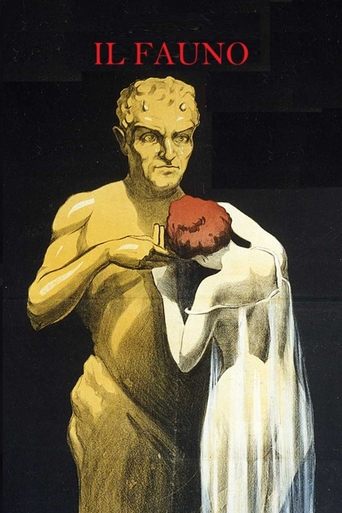
- Final known appearance in 'The Faun' (1917), concluding his decade in cinema
Best Known For
Iconic Roles
Must-See Films
Working Relationships
Worked Often With
Studios
Why They Matter
Impact on Culture
Ernesto Vaser contributed to the establishment of Italian cinema as a major cultural force during the silent era. His work in historical epics helped define the grand scale and artistic ambition that would characterize Italian filmmaking in its early decades. These films not only entertained domestic audiences but also showcased Italian cultural heritage to international viewers, helping establish Italy's reputation for cinematic excellence. Vaser's performances demonstrated how cinema could bring historical narratives to life, influencing subsequent generations of Italian filmmakers and actors. His work represents the transition from theatrical traditions to film-specific acting techniques, a crucial development in cinema's artistic evolution.
Lasting Legacy
Ernesto Vaser's legacy lies in his role as a pioneer of Italian cinema during its formative years. His filmography provides valuable documentation of early Italian filmmaking practices and artistic aspirations. While many of his contemporaries have been forgotten, Vaser's surviving films serve as important artifacts of cinema history, illustrating the technical and artistic developments of the silent era. His work in historical epics helped establish Italy's reputation for producing grand, spectacular films that would influence cinema worldwide. Vaser represents the generation of actors who helped establish film acting as a distinct art form separate from theatrical performance.
Who They Inspired
Ernesto Vaser influenced the development of acting techniques specific to silent cinema, particularly in the context of Italian historical epics. His approach to characterization and emotional expression provided a model for subsequent actors working in similar productions. The films he appeared in demonstrated how cinema could effectively portray historical narratives, influencing the direction of Italian filmmaking for decades. Vaser's work contributed to establishing conventions of silent film performance that would be refined and evolved by later generations of actors. His career exemplifies how early cinema pioneers helped establish the artistic legitimacy of film as a medium.
Off Screen
Ernesto Vaser lived through the transformative period of early Italian cinema, witnessing the medium evolve from novelty to art form. Details about his personal life remain scarce, as was common for many early film actors whose private lives were not extensively documented in the press. His active years covered a decade during which Italy emerged as a major force in global cinema production. Vaser's life bridged the 19th and 20th centuries, making him part of the generation that helped establish cinema as a legitimate artistic medium.
Did You Know?
- Ernesto Vaser was active during what many consider the golden age of Italian silent cinema (1908-1917)
- He appeared in some of the earliest Italian historical epics, a genre that would become synonymous with Italian cinema
- The Last Days of Pompeii (1908) was based on Edward Bulwer-Lytton's novel and was one of many adaptations of this popular story
- Italian cinema of this period was among the most technically advanced in the world, with films known for their elaborate sets and costumes
- The silent era in Italy ended around 1930 with the transition to sound films
- Many early Italian films, including some of Vaser's work, have been lost due to the fragile nature of early film stock
- Italian historical epics of this period often featured thousands of extras and massive set constructions
- The films Vaser appeared in were among the first feature-length productions in world cinema
Frequently Asked Questions
Who was Ernesto Vaser?
Italian with credits in this catalog.
What films is Ernesto Vaser best known for?
Titles linked here include The Last Days of Pompeii (1908), Nero, or The Fall of Rome (1909).
When was Ernesto Vaser born and when did he die?
Born 1876; died 1959.
What awards did Ernesto Vaser win?
No specific awards or honors are documented for Ernesto Vaser, which was common for actors during the very early years of cinema before formal award systems were established.
What was Ernesto Vaser's acting style?
Vaser's acting style was typical of the silent era, featuring exaggerated gestures and facial expressions to convey emotion without dialogue, adapted from theatrical traditions for the new medium of film.