


The Royal Tigress
"Last frau"
Keys: Space play/pause · ←/→ 10s · F fullscreen · M mute · </> speed
About this film
"Tigre Reale" (1916) was the film that consolidated Frau Menichelli's stardom, a film more than suitable for her performing skills and silent idiosyncrasy that any silent diva would kill to star in… In "Tigre Reale", Frau Menichelli performs the part of Frau Natka, a Russian countess with a troublesome past and an uncertain future. She was married to a revolutionary and the matrimony ended in tragedy. She likes to flirt with men but due to her traumatic sentimental past, she doesn't allow herself attachments.
Cast & crew
More films like this



More Drama films
View all →






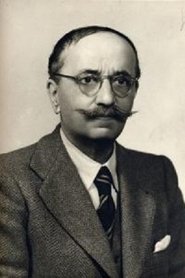
More from Giovanni Pastrone
View all →
More about this film
About the production
Release dateOctober 1916
Box officeUnknown - box office records from 1916 Italian cinema are largely unavailable
ProductionItala Film
Filmed inTurin, Italy (Itala Film studios)
Directed by Giovanni Pastrone under his pseudonym Piero Fosco, the film was produced during the height of Italian cinema's golden age. The production utilized elaborate sets designed to recreate Russian aristocratic interiors, showcasing Itala Film's commitment to visual splendor. The film was shot on location at the company's state-of-the-art studios in Turin, which were among the most advanced in Europe at the time. Pastrone employed innovative camera techniques and lighting effects to enhance the dramatic atmosphere, particularly in scenes depicting Natka's internal struggles and flashbacks to her tragic past.
Themes
Psychological trauma and healingThe possibility of redemptionFemale autonomy and desireThe conflict between past and presentLove as transformative force
Themes & topics
Russian countessTragic pastRevolutionary husbandEmotional barriersYoung diplomatPsychological dramaRedemptionLove storySilent filmItalian cinemaDivasTraumaHealingAristocracyWorld War I era
Historical background
Made in its country of production around 1916, The Royal Tigress belongs to the silent era's formative years. Its story of "tigre reale" (1916) was the film that consolidated frau menichelli's stardom, a film more than suitable for her performing skills and silent idiosyncrasy that any silent diva would kill to star in… in "tigre reale", frau menichelli performs the part of frau natka, a russian countess with a troublesome past and an uncertain future spoke to audiences of the day through familiar genres and topical settings.
Why this film matters
Archivists and historians still cite The Royal Tigress when tracing how the silent era's formative years filmmakers staged tigre and reale on screen.
Making of
The making of Tigre Reale represented a pinnacle of Italian silent cinema production values. Giovanni Pastrone, already renowned for his epic 'Cabiria' (1914), brought his technical expertise to this more intimate drama. The collaboration between Pastrone and Menichelli was particularly fruitful; he understood how to photograph her distinctive features and dramatic style to maximum effect. The production faced challenges due to World War I, which was raging across Europe, affecting both the availability of materials and the film's international distribution. Despite these difficulties, the film was completed with remarkable attention to detail, from the authentic Russian costumes to the elaborate interior sets. Menichelli was known to be deeply involved in the development of her character, working closely with Pastrone to perfect Natka's psychological complexity. The film's success led to several more collaborations between the director and his star, cementing their place in cinema history.
What critics said
Reviews from 1916 weighed The Royal Tigress on pacing, performance, and novelty. Later criticism reads its emphasis on tigre, reale, consolidated through modern standards of craft and representation.
Did you know?
- Pina Menichelli's performance in Tigre Reale established her as among the pivotal 'divas' of Italian silent cinema, known for her intense gaze and dramatic gestures
- Director Giovanni Pastrone used the pseudonym Piero Fosco for , as he did for many of his works
- The film was based on a novel by Giovanni Verga, though the adaptation took significant liberties with the source material
- Tigre Reale was among the costliest Italian productions of 1916, featuring elaborate costumes and sets designed to evoke Russian aristocracy
- The film's international success helped establish Itala Film as one of Europe's premier production companies
- Menichelli's distinctive acting style in influenced generations of silent film actresses across Europe
- The film was distributed internationally under various titles including 'The Royal Tigress' in English-speaking markets
- A young Alfred Hitchcock reportedly screened the film during his early years in the industry, citing its visual style as influential
- The original negative was partially damaged during a fire at the Itala Film archives in the 1920s
- The film's theme of a woman overcoming past trauma was considered quite progressive for its time
Visual style
The cinematography of Tigre Reale, overseen by Giovanni Pastrone himself, was revolutionary for its time. The film employed sophisticated lighting techniques to create dramatic shadows and highlights that emphasized the psychological states of the characters. Pastrone used innovative camera movements and angles to enhance the emotional impact of key scenes, particularly in moments of Natka's internal conflict. The cinematography made effective use of close-ups to capture the nuances of Menichelli's expressive performance, a technique that was still relatively new in 1916. The film's visual style combined the grandeur of Italian epic cinema with the intimacy needed for psychological drama. The lighting design was particularly notable for its use of chiaroscuro effects to represent Natka's emotional journey from darkness to light. The cinematography also showcased the elaborate production design, with careful attention to composition that created visually striking frames that still impress viewers today.
Innovations
Tigre Reale showcased several technical innovations that were ahead of their time. The film featured advanced lighting techniques that created dramatic mood effects and enhanced the psychological storytelling. Giovanni Pastrone employed sophisticated camera movements that were unusual for the period, including tracking shots that followed characters through the elaborate sets. The production design included mechanically operated scenery that allowed for smooth transitions between scenes. The film's editing was particularly notable for its rhythmic pacing and its ability to build emotional tension through the juxtaposition of shots. The makeup techniques used to create Natka's various emotional states were innovative for the period, allowing Menichelli to convey subtle psychological changes. The film also featured special effects that were used to represent Natka's memories and dreams, techniques that were quite advanced for 1916. These technical achievements contributed to the film's reputation as among the leading sophisticated productions of its era.
Music
As a silent film, Tigre Reale would have been accompanied by live musical performance during its original theatrical run. The typical presentation would have featured a piano or small orchestra playing a score compiled from classical pieces and original compositions. The music would have been carefully synchronized with the on-screen action, with specific themes associated with different characters and emotional moments. While the original musical cues have not survived, contemporary screenings often feature newly composed scores that attempt to capture the film's dramatic and emotional tone. The music would have played a crucial role in conveying the psychological depth of the story, particularly in scenes where Menichelli's subtle facial expressions needed musical reinforcement. Modern restorations of the film are often accompanied by period-appropriate music or newly commissioned scores that respect the film's historical context while appealing to contemporary audiences.
Famous quotes
As a silent film, dialogue was conveyed through intertitles and visual performance. Key emotional moments were expressed through Menichelli's gestures and facial expressions rather than spoken words.
Memorable scenes
- Natka's first encounter with the young diplomat, where her carefully constructed emotional barriers begin to crack
- The flashback sequence revealing her tragic marriage to the revolutionary
- The climactic scene where Natka finally allows herself to love and trust again
- The opening scene establishing Natka as a charismatic but emotionally wounded aristocrat
- The ballroom scene where Natka's flirtatious facade masks her inner turmoil
What audiences thought
Tigre Reale was enormously popular with audiences upon its release, both in Italy and internationally. The film's emotional intensity and Menichelli's charismatic performance resonated strongly with wartime audiences seeking escape and emotional catharsis. Contemporary accounts describe theaters being filled to capacity and audiences being moved to tears by the story. The film's success established Menichelli as a major star with a devoted following, and she became one of the highest-paid actresses in European cinema. Audiences particularly responded to the film's themes of love, redemption, and emotional healing, which felt particularly meaningful during the difficult war years. The film's popularity extended beyond traditional cinema audiences, attracting intellectual viewers who appreciated its artistic merits. Even today, when the film is screened at retrospectives and festivals, it continues to captivate modern audiences with its powerful storytelling and Menichelli's compelling performance.
Film connections
Influenced by
- Italian verismo literature
- Psychological theories of the early 20th century
- Russian literature of the 19th century
- Theater traditions of melodrama
- Earlier Italian diva films
- Giovanni Pastrone's own previous works including Cabiria
This film influenced
- Later Italian diva films of the 1920s
- German psychological dramas of the 1920s
- Hollywood melodramas featuring strong female leads
- European art cinema focusing on psychological themes
- Contemporary films dealing with trauma and healing
Film restoration
Tigre Reale is partially preserved with some scenes missing or damaged. The film exists in archives including the Cineteca Nazionale in Rome and the Museo Nazionale del Cinema in Turin. Restoration efforts have been undertaken to preserve and reconstruct what remains of this important work of cinema history. While not completely intact, enough of the film survives to convey its artistic significance and power. The surviving elements show some deterioration typical of films from this era, but have been digitally preserved to prevent further loss.
Where to watch
- The film is occasionally screened at silent film festivals and cinema retrospectives
- Some archives offer viewing access for researchers and scholars
- DVD releases may be available from specialty distributors of classic cinema
- Streaming platforms specializing in classic and silent films occasionally feature restored versions
- Museum screenings dedicated to Italian cinema history