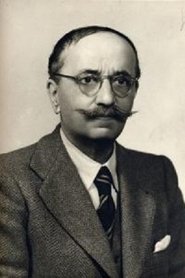
Giovanni Pastrone
Director
Born: September 13, 1883 in Montechiaro d'Asti, Kingdom of Italy Died: June 27, 1959 Active: 1908-1923 Birth Name: Giovanni Ernesto Pastrone
Films
5 films
About Giovanni Pastrone
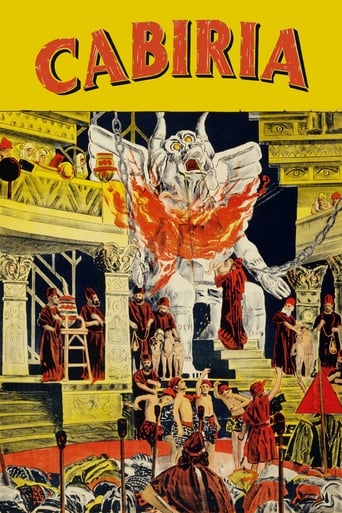
Italian film director, producer, and screenwriter who revolutionized early cinema during the silent era. Born in 1883, he founded the production company Itala Film in 1909, which became one of Italy's most successful film studios. Pastrone's masterpiece 'Cabiria' (1914) was a monumental epic that set new standards for film production with its massive sets, thousands of extras, and innovative storytelling techniques. He invented the 'carrello' (camera dolly), which allowed for smooth camera movements and fundamentally changed cinematography. His technical innovations and grandiose vision influenced countless filmmakers, including D.W. Griffith, who borrowed heavily from 'Cabiria' for his own epic 'Intolerance.' Despite his immense contributions to cinema, Pastrone's career declined after World War I as Italian cinema lost its international prominence. He eventually left the film industry to focus on other business ventures, though his legacy as one of cinema's true innovators remains undisputed among film historians.
The Craft
Behind the Camera
Pastrone's directing style was characterized by grandiose spectacle, innovative camera movements, and epic storytelling. He was known for his meticulous attention to detail in set design, creating massive, elaborate sets that dwarfed human actors and emphasized the scale of his narratives. His use of the camera dolly allowed for smooth tracking shots that added dynamism to his scenes. Pastrone favored long takes and complex compositions, often choreographing hundreds or thousands of extras in elaborate sequences. His visual approach combined theatrical grandeur with cinematic innovation, creating a distinctive aesthetic that influenced the epic film genre for decades.
Milestones
- Founded Itala Film production company (1909)
- Directed and produced 'Cabiria' (1914), one of cinema's first epic films
- Invented the camera dolly ('carrello') revolutionizing cinematography
- Pioneered tracking shots and complex camera movements
- Created elaborate sets and visual effects that set new industry standards
Best Known For
Must-See Films
Accolades
Won
- Italian National Syndicate of Film Journalists Silver Ribbon for Historical/Cultural Film (1956, posthumous for Cabiria)
Special Recognition
- Pioneer of Cinema Award (Italian Film Institute)
- Star on the Italian Walk of Fame (posthumous)
Working Relationships
Worked Often With
Studios
Why They Matter
Impact on Culture
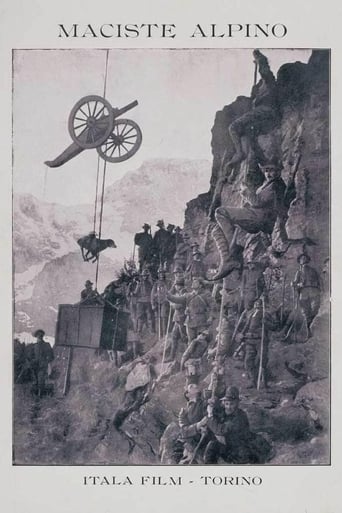
Giovanni Pastrone's impact on cinema was revolutionary and far-reaching, particularly through his masterpiece 'Cabiria.' This 1914 epic established many conventions of the epic film genre that would influence Hollywood for decades, including the use of massive sets, thousands of extras, and complex historical narratives. His invention of the camera dolly transformed cinematography, enabling the smooth tracking shots that became essential to film language. 'Cabiria' specifically influenced D.W. Griffith's 'Intolerance' (1916), which borrowed heavily from Pastrone's visual style and narrative structure. The film also popularized the character Maciste, who became one of cinema's first recurring characters and spawned an entire subgenre of Italian 'sword and sandal' films. Pastrone's technical innovations in special effects, set design, and camera movement helped establish cinema as a medium capable of spectacular visual storytelling.
Lasting Legacy
Giovanni Pastrone's legacy is that of a true cinema pioneer whose innovations fundamentally shaped the language of film. While often overlooked in mainstream film history compared to contemporaries like D.W. Griffith, film scholars recognize Pastrone as. His camera dolly invention alone would be enough to secure his place in film history, but his contributions extend to narrative structure, visual effects, and the epic film genre. 'Cabiria' remains. The character Maciste, introduced in 'Cabiria,' became an enduring archetype of physical strength and moral virtue, appearing in dozens of films over four decades. Pastrone's work demonstrated cinema's potential as both art and spectacle, influencing generations of filmmakers from Cecil B. DeMille to Steven Spielberg.
Who They Inspired
Pastrone directly influenced D.W. Griffith, who studied 'Cabiria' extensively while making 'Intolerance' and admitted borrowing many techniques from the Italian film. His innovations in camera movement inspired the development of more dynamic cinematography throughout the 1920s and beyond. The epic scale of 'Cabiria' influenced Hollywood's move toward bigger productions in the late 1910s and 1920s. Italian filmmakers of the 1920s, particularly those working in the historical epic genre, built upon Pastrone's visual and narrative techniques. The character Maciste created by Pastrone became a template for the strongman characters that dominated Italian cinema for decades. Modern directors like Martin Scorsese and Francis Ford Coppola have cited Pastrone's work as an influence on their understanding of cinematic spectacle and visual storytelling.
Off Screen
Giovanni Pastrone was known as a private individual who rarely discussed his personal life in public. He married Valentina Cazzaniga in 1913, and their marriage lasted until his death in 1959. The couple had no children. After leaving the film industry, Pastrone became a successful businessman in other ventures, including real estate and manufacturing. Despite his enormous success in cinema, he lived a relatively modest life in his later years and rarely gave interviews about his groundbreaking work in film. He spent his final years in Turin, where he was buried in the local cemetery.
Education
Limited formal education; largely self-taught in filmmaking and business management
Family
- Valentina Cazzaniga (1913-1959)
Did You Know?
- Pastrone used the pseudonym 'Pierro Fosco' when he appeared in his own films as an actor
- The character Maciste from 'Cabiria' was played by a dockworker Pastrone discovered, Bartolomeo Pagano
- 'Cabiria' was one of the first films shown on the White House grounds when President Woodrow Wilson screened it in 1914
- Pastrone's camera dolly invention was called the 'carrello' in Italian, meaning 'cart' or 'carriage'
- The budget for 'Cabiria' was approximately 1 million lire, an enormous sum for 1914
- Pastrone's Itala Film company produced over 300 films during its operation
- He was one of the first directors to use artificial lighting extensively for night scenes
- Despite his success, Pastrone never directed a sound film, leaving the industry just as the talkies arrived
- His films were among the first to use intertitles creatively to advance the narrative rather than just provide dialogue
- Pastrone's business acumen was as notable as his artistic vision; he built Itala Film into one of Europe's most profitable studios
In Their Own Words
The camera must dance, not merely observe. It must participate in the story it tells.
In cinema, we create worlds that never were, to show truths that always are.
The spectacle is not an end in itself, but a gateway to deeper human emotions.
Frequently Asked Questions
Who was Giovanni Pastrone?
Italian on YTB.my. He founded Itala Film and directed the groundbreaking epic 'Cabiria' (1914), which revolutionized filmmaking with its scale and technical innovations.
What films is Giovanni Pastrone best known for?
Titles linked here include Cabiria (1914), The Fall of Troy (1911).
When was Giovanni Pastrone born and when did he die?
Born September 13, 1883; died June 27, 1959.
What awards did Giovanni Pastrone win?
During his lifetime, Pastrone received limited formal recognition, but he posthumously received the Italian National Syndicate of Film Journalists Silver Ribbon in 1956 for 'Cabiria.' His greatest recognition comes from film historians who regard him as one of cinema's most important pioneers.
What was Giovanni Pastrone's directing style?
Pastrone's directing style emphasized grandiose spectacle, innovative camera movements, and epic storytelling. He was known for massive sets, elaborate choreography of extras, and the use of the camera dolly for smooth tracking shots that added dynamism to his scenes.
How did Giovanni Pastrone influence cinema?
Pastrone revolutionized cinema by inventing the camera dolly, establishing conventions of the epic film genre, and demonstrating cinema's potential for spectacular visual storytelling. His work directly influenced D.W. Griffith and helped establish the visual language of narrative cinema.
Why is 'Cabiria' considered so important?
'Cabiria' is considered important because it established many conventions of the epic film genre, featured groundbreaking special effects and set design, introduced the recurring character Maciste, and directly influenced major filmmakers like D.W. Griffith. It demonstrated cinema's potential for ambitious, large-scale storytelling.