The Warrior
"The Warrior (1916)"
Keys: Space play/pause · ←/→ 10s · F fullscreen · M mute · </> speed
About this film
A soldier of near-superhuman strength fights battles in the First World War and wages a private war to rescue a young woman from the castle where she is imprisoned.
Cast & crew
More films like this

More War films
View all →

More from Giovanni Pastrone
View all →
More about this film
About the production
Release dateDecember 1916
Box officeUnknown - but was commercially successful in Italy and internationally
ProductionItala Film
Filmed inTurin, Italy, Studio facilities at Itala Film
The film was part of the Maciste series, capitalizing on the character's immense popularity following his debut in 'Cabiria' (1914). Production utilized large-scale sets and battle sequences, with hundreds of extras for the war scenes. The castle sequences were particularly elaborate, requiring significant set construction within the Itala Film studios.
Themes
Patriotism and national identityPhysical strength as moral virtueThe individual hero against overwhelming oddsLove and rescueWar and its glorification
Themes & topics
World War ISuperhuman strengthCastle rescueBattle sequencesItalian armyStrongman heroWar propagandaAction adventureSilent epicPrincess rescue
Historical background
Made in 1916, The Warrior reflects production norms of the silent era before feature-length dominance—shorter runtimes, regional audiences, and limited preservation infrastructure.
Why this film matters
Historians reference The Warrior (1916) when discussing 1916 silent film.
Making of
The production of 'The Warrior' was a major undertaking for Itala Film, requiring extensive resources during wartime Italy. Director Giovanni Pastrone, known for his meticulous attention to detail, oversaw the construction of elaborate sets including the castle fortress and battlefield environments. Bartolomeo Pagano performed many of his own stunts, which was remarkable given his lack of formal training as an actor. The film's battle sequences employed hundreds of extras and utilized practical effects of the era, including controlled explosions and miniature work. The production team faced challenges due to wartime restrictions on materials and personnel, but managed to create a visually spectacular film that rivaled contemporary international productions. The collaboration between Pastrone and Pagano proved highly successful, establishing a formula that would be repeated in numerous sequels and spin-offs.
What critics said
Modern write-ups on The Warrior (1916) tend to focus on preservation status, stylistic choices, and placement within director or studio filmographies.
Did you know?
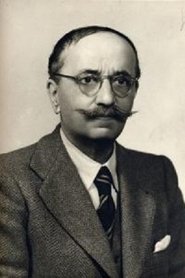
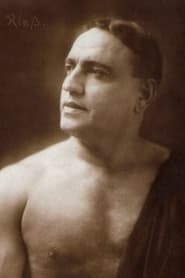
- Bartolomeo Pagano, who plays Maciste, was a dockworker discovered by director Giovanni Pastrone and became one of Italy's first film stars
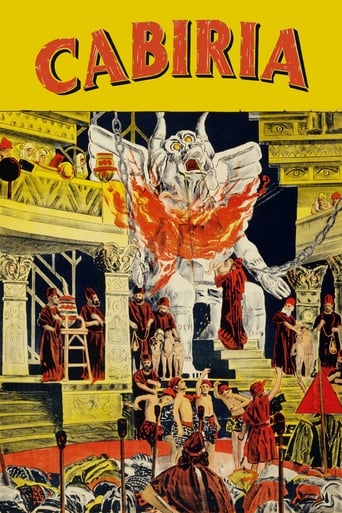
- The Maciste character originated in 'Cabiria' (1914) and became so popular that he starred in over 25 films between 1915 and 1926
- This was one of the earliest films to combine World War I settings with fantasy/superhero elements
- The film's success led to numerous international Maciste films, including French and German versions
- Giovanni Pastrone was one of the pioneers of Italian cinema, known for his epic productions and technical innovations
- The film was released during World War I, making its wartime themes particularly relevant to contemporary audiences
- Maciste's name became synonymous with strength in Italian culture, similar to 'Hercules' in other cultures
- The character's lack of political affiliation made him popular across different European countries
- The film featured innovative camera movements for its time, including tracking shots during battle sequences
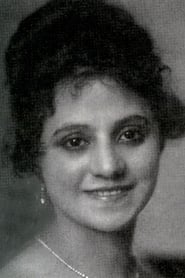
- Valentina Frascaroli was especially popular Italian actresses of the silent era and appeared in numerous Maciste films
Awards & recognition
- No specific awards recorded for this film
Visual style
The film's cinematography, overseen by Giovanni Tomatis and Segundo de Chomón, employed innovative techniques for the time including dynamic camera movements during action sequences and sophisticated use of lighting to create dramatic effects. The battle scenes utilized wide shots to convey the scale of the conflict, while close-ups emphasized Maciste's superhuman strength and determination. The castle sequences featured dramatic shadow play and architectural lighting to create atmosphere and tension. The cinematography successfully balanced the film's action elements with its more intimate character moments, using visual storytelling techniques that were advanced for 1916. The film also made effective use of location shooting combined with studio work to create a convincing world for Maciste's adventures.
Innovations
The Warrior showcased several technical innovations for its time, including sophisticated miniature effects for the battle sequences and pioneering use of forced perspective to create the illusion of Maciste's superhuman strength. The film's production employed advanced set construction techniques, particularly for the castle sequences, which featured working drawbridges and collapsing walls. The action sequences utilized innovative camera mounting techniques to capture dynamic movement during combat scenes. The film also demonstrated advanced editing techniques for the era, using cross-cutting between parallel action lines to build suspense during the rescue sequences. These technical achievements contributed to the film's reputation as among the leading sophisticated action productions of its time.
Music
As a silent film, 'The Warrior' would have been accompanied by live musical performances during its original theatrical run. The typical score would have been performed by a theater orchestra or pianist, often using a combination of classical pieces and original compositions tailored to the on-screen action. The music would have emphasized the film's dramatic moments, enhanced the battle sequences with martial themes, and provided romantic underscoring for the scenes involving the imprisoned young woman. While no original score survives, contemporary restorations often feature newly composed music that reflects the film's Italian origins and early 20th-century musical styles. The soundtrack would have played a crucial role in conveying the film's emotional impact and narrative progression to silent-era audiences.
Famous quotes
Maciste's signature line: 'Where there is injustice, there I will be!'
Villain's declaration: 'No man can breach these walls!'
Maciste's response: 'I am no ordinary man!'
Memorable scenes
- The opening battle sequence where Maciste single-handedly turns the tide against Austrian forces
- The dramatic castle assault where Maciste breaks down the fortress gates with his bare hands
- The comedic scene where Maciste effortlessly lifts multiple soldiers to demonstrate his strength
- The romantic rescue sequence where Maciste saves the young woman from the tower
- The final victory celebration combining military triumph with personal fulfillment
What audiences thought
The Warrior was enthusiastically received by audiences in Italy and internationally, capitalizing on the immense popularity of the Maciste character. Italian viewers responded particularly strongly to the film's patriotic themes and its celebration of Italian strength during wartime. The film's action sequences and Pagano's physical prowess proved popular with audiences across Europe and even found success in American markets. The character of Maciste became a cultural phenomenon, with Pagano achieving celebrity status and making public appearances as the character. Audience demand for more Maciste adventures led to a prolific series of sequels and spin-offs throughout the silent era. The film's success demonstrated the commercial viability of action-adventure cinema and helped establish the strongman hero as a popular archetype in international cinema.
Film connections
Influenced by
- Cabiria (1914) - Maciste's origin film
- Ancient Roman mythology (Hercules myths)
- Contemporary war propaganda films
- Italian historical epics
- Stage melodrama traditions
This film influenced
- Subsequent Maciste film series (1915-1926)
- Hercules film series of the 1950s-60s
- Tarzan film adaptations
- Early American action serials
- Modern superhero origin films
Film restoration
The film exists in archived form at several film institutions, including the Cineteca Nazionale in Rome and the British Film Institute. While not completely lost, the film exists in varying states of preservation, with some reels showing significant deterioration. Several restoration efforts have been undertaken, most notably by Italian film archives in the 1990s and 2000s. The restored versions have been shown at classic film festivals and are available through specialized cinema archives. However, complete pristine versions are rare, and some sequences may exist only in fragmentary form.
Where to watch
- Available through European film archive streaming services
- Screenings at classic film festivals and cinematheques
- Specialized DVD releases from classic film distributors
- Academic film collections and university archives
- Occasional broadcasts on classic film television channels