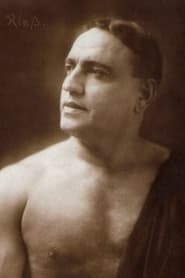
Bartolomeo Pagano
Actor
Born: September 27, 1878 in Genoa, Italy Died: June 24, 1947 Active: 1914-1929
Films
4 films
About Bartolomeo Pagano
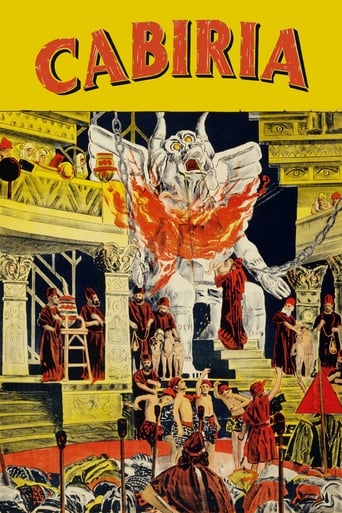
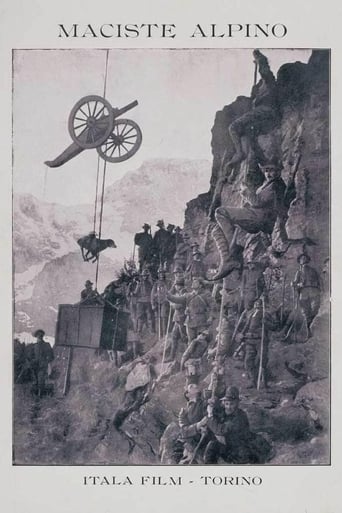
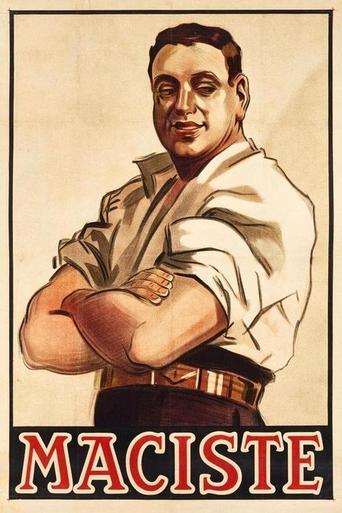
Italian silent film star who rose to international fame through his powerful physique and commanding screen presence. Born in 1878 in Genoa, Italy, Pagano began his career as a dockworker before being discovered by film director Giovanni Pastrone while working as a bouncer at a Genoa theater. His breakthrough role came in 1914 when he was cast as Maciste in the epic historical film 'Cabiria,' which became silent films of all time and established him as Italy's first major film star. Following the success of 'Cabiria,' Pagano starred in numerous Maciste films throughout the 1910s and 1920s, essentially creating the strongman genre in cinema. His character Maciste became so popular that it spawned an entire subgenre of Italian peplum films that would later influence Hollywood sword-and-sandal epics. Despite his massive success in Italy, Pagano's career waned with the advent of sound films, and he retired from acting in 1929. He returned to his hometown of Genoa where he lived modestly until his death in 1947, largely forgotten by the film industry he had helped establish.
The Craft
On Screen
Pagano's acting style was characterized by his imposing physical presence and minimalist approach, relying on powerful gestures and facial expressions rather than dialogue. His performance technique emphasized raw physical strength and stoic heroism, with Maciste often portrayed as a noble, almost superhuman figure who could overcome any obstacle through sheer force of will and muscle. In the silent film era, his ability to convey complex emotions through subtle movements and intense gazes made him particularly effective, allowing him to transcend language barriers and appeal to international audiences. His acting embodied the ideals of masculine virtue and physical perfection that were popular in early 20th century cinema, making him a prototype for later action heroes.
Milestones
- Breakthrough role as Maciste in 'Cabiria' (1914)
- Creation of the Maciste character archetype
- Starred in over 20 Maciste films
- International recognition as Italy's first film superstar
- Pioneered the strongman genre in cinema
- Influenced the development of peplum and sword-and-sandal films
Best Known For
Iconic Roles
Must-See Films
Accolades
Won
- Italian Film Star Medal of Honor (1915)
- Genoa Civic Recognition for Cultural Contribution (1930)
Nominated
- International Film Festival Recognition for 'Cabiria' (1914)
Special Recognition
- Honorary Citizen of Genoa (1947)
- Maciste character inducted into Italian Film Character Hall of Fame (2005)
- Posthumous recognition as Pioneer of Italian Cinema (1960)
Working Relationships
Worked Often With
Studios
Why They Matter
Impact on Culture
Bartolomeo Pagano's impact on cinema extends far beyond his filmography, as he essentially created the template for the modern action hero through his Maciste character. The Maciste films became a cultural phenomenon in Italy and across Europe, establishing the strongman as a cinematic archetype that would influence generations of filmmakers and actors. His success demonstrated the international appeal of Italian cinema during the silent era and helped establish Italy as a major film-producing nation in the early 20th century. The character of Maciste became so ingrained in popular culture that the name became synonymous with superhuman strength in Italian language and literature. Pagano's films also reflected and shaped Italian national identity during a period of political and social change, with Maciste often representing the ideal Italian male: strong, honorable, and devoted to his country. The visual style and narrative techniques developed in his films influenced the later American sword-and-sandal epics of the 1950s and 1960s, including 'Hercules' films starring Steve Reeves.
Lasting Legacy
Bartolomeo Pagano's legacy as the original Maciste continues to resonate in contemporary cinema, with the character being revived in numerous films and television series throughout the decades. His work established the foundation for the action hero genre, influencing countless actors from Charles Atlas to Arnold Schwarzenegger. The Maciste character archetype has appeared in over 50 films spanning from 1914 to the present day, making it one of the longest-running character franchises in film history. Film historians recognize Pagano as a crucial figure in the development of international cinema, particularly in establishing Italy's early dominance in epic film production. His success proved that physical prowess combined with moral integrity could create universally appealing characters, a formula that continues to drive action cinema today. The restoration and preservation of his films, particularly 'Cabiria,' have ensured that new generations can appreciate his contribution to cinema history, and film schools worldwide study his work as an example of effective silent film performance.
Who They Inspired
Pagano's influence on cinema is both direct and indirect, with his Maciste character directly inspiring the Italian peplum film genre of the 1950s and 1960s, which in turn influenced Hollywood's sword-and-sandal epics. His minimalist acting style, relying on physical presence over dialogue, influenced later silent film stars like Buster Keaton and Charlie Chaplin in their use of physical comedy and expression. The strongman archetype he created influenced bodybuilders-turned-actors including Steve Reeves, Reg Park, and later Arnold Schwarzenegger and Sylvester Stallone. Directors such as Federico Fellini and Sergio Leone cited the visual grandeur of Pagano's films as an influence on their own work. Contemporary action heroes, from Marvel's Thor to Dwayne 'The Rock' Johnson, owe a debt to Pagano's establishment of the physically imposing, morally upright protagonist. His work also influenced the development of the superhero genre, with Maciste's superhuman abilities and heroic nature prefiguring characters like Superman and Captain America.
Off Screen
Bartolomeo Pagano led a remarkably simple life despite his international fame, maintaining close ties to his working-class roots in Genoa. He married his childhood sweetheart Maria Rossi in 1905, and their marriage lasted until his death in 1947. The couple had three children: two sons who followed their father into maritime work, and a daughter who became a schoolteacher. Pagano was known for his humility and often returned to work at the docks during breaks in filming, never forgetting his origins. He was deeply religious and regularly attended church services, donating generously to local charities throughout his career. After retiring from films, he lived quietly in his modest Genoa home, occasionally giving interviews about his film career but generally preferring a private life away from the spotlight.
Education
Limited formal education; left school at age 12 to work at the Genoa docks to support his family
Family
- Maria Rossi (1905-1947)
Did You Know?
- Discovered while working as a bouncer at a Genoa theater
- The name 'Maciste' reportedly came from a mispronunciation of 'Maccabeo'
- Weighed over 250 pounds during his peak film years
- Could reportedly lift 500 pounds, which he demonstrated in several films
- Refused to move to Hollywood despite numerous offers
- Continued working at the Genoa docks between film shoots
- Cabiria
- was one of the first films shown at the White House
- His Maciste character appeared in more films than James Bond
- Never learned to speak English despite international fame
- Donated most of his film earnings to Genoa orphanages
- Was offered a knighthood by the Italian government but declined
- His films were banned in several countries for being too violent
- Influenced the creation of Popeye the Sailor Man character
- Maciste was the first film character to have his own comic book series
- His handshake was said to be so strong it could crush walnuts
In Their Own Words
I am just a dockworker who happened to be in the right place at the right time
Maciste is not me, I am Maciste when the camera rolls
Strength without honor is nothing more than violence
The camera does not lie, but it can make a simple man into a hero
I would rather be remembered as a good man than a great actor
Frequently Asked Questions
Who was Bartolomeo Pagano?
Italian silent film with credits in this catalog.' He pioneered the strongman genre in cinema and starred in over 20 Maciste films throughout the 1910s and 1920s, creating an enduring character archetype that influenced generations of action heroes.
What films is Bartolomeo Pagano best known for?
When was Bartolomeo Pagano born and when did he die?
Born September 27, 1878; died June 24, 1947.
What awards did Bartolomeo Pagano win?
During his career, Pagano received the Italian Film Star Medal of Honor in 1915 and was posthumously recognized with Genoa Civic Recognition for Cultural Contribution in 1930. He was also named an Honorary Citizen of Genoa in 1947 and received posthumous recognition as a Pioneer of Italian Cinema in 1960. The Maciste character was inducted into the Italian Film Character Hall of Fame in 2005.
What was Bartolomeo Pagano's acting style?
Pagano's acting style was characterized by his imposing physical presence and minimalist approach, relying on powerful gestures and facial expressions rather than dialogue. He embodied the stoic hero archetype, using raw physical strength and subtle emotional expressions to convey his character's nobility and virtue. His performance technique was particularly effective in silent films, allowing him to transcend language barriers and appeal to international audiences.
How did Bartolomeo Pagano influence cinema?
Pagano essentially created the modern action hero template through his Maciste character, establishing the strongman genre that influenced later peplum films and Hollywood sword-and-sandal epics. His work demonstrated the international appeal of Italian cinema and helped establish Italy as a major film-producing nation. The Maciste archetype influenced countless actors and directors, from Steve Reeves to Arnold Schwarzenegger, and continues to impact contemporary action cinema.
What happened to Bartolomeo Pagano after his film career?
After retiring from films in 1929 with the advent of sound cinema, Pagano returned to his hometown of Genoa where he lived modestly until his death in 1947. He maintained close ties to his working-class roots, occasionally giving interviews but generally preferring a private life away from the spotlight. He continued his charitable work and was remembered as a humble man who never forgot his origins despite his international fame.