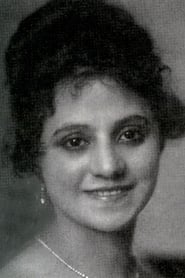
Valentina Frascaroli
Actor
Born: December 21, 1890 in Rome, Italy Died: January 3, 1955 Active: 1912-1921
Films
6 films
About Valentina Frascaroli
Italian actress who rose to prominence during the golden age of Italian silent cinema. Born in Rome in 1890, she began her film career in 1912 and quickly became one of Italy's most recognizable screen personalities of the 1910s. She worked extensively with director Giovanni Pastrone, one of the masters of early Italian cinema, appearing in several of his most ambitious productions. Frascaroli was particularly known for her work in historical epics and dramatic films, where her expressive acting style suited the melodramatic requirements of the silent era. Her performances in films like 'The Immigrant' (1915) and 'The War and the Dream of Momi' (1917) showcased her ability to convey complex emotions through gesture and facial expression. She was part of the first generation of professional film actors in Italy, helping establish the conventions of screen acting that would influence cinema worldwide. Her career declined with the advent of sound in the late 1920s, and she retired from acting in the early 1920s, leaving behind a legacy of significant contributions to early Italian cinema.
The Craft
On Screen
Frascaroli embodied the theatrical, exaggerated acting style typical of the silent era, using broad gestures and intense facial expressions to convey emotion. Her performances were characterized by dramatic intensity and emotional depth, perfectly suited to the melodramatic narratives popular in Italian cinema of the period. She had a particular talent for portraying suffering and passion, making her ideal for the historical epics and romantic dramas that dominated Italian film production.
Milestones
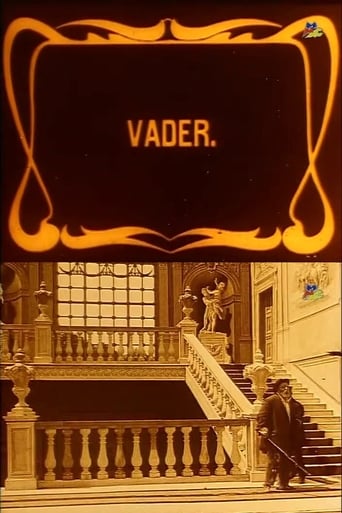
- Breakthrough role in 'Padre' (1912)
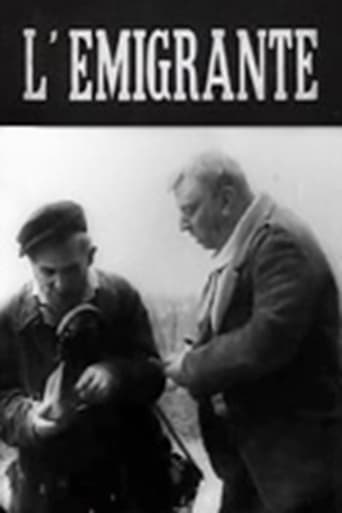
- Starred in 'The Immigrant' (1915)
- Leading role in 'The Warrior' (1916)
- Performance in 'The Royal Tigress' (1916)
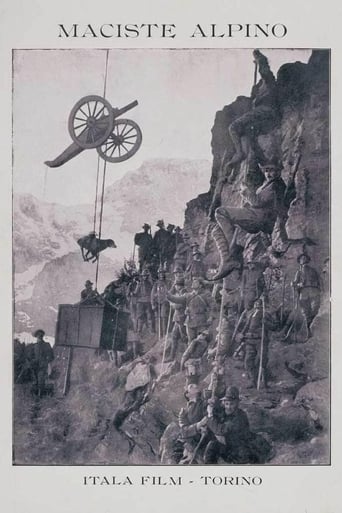
- Memorable role in 'The War and the Dream of Momi' (1917)
- Collaboration with director Giovanni Pastrone
- Became one of Italy's highest-paid silent film stars
Best Known For
Iconic Roles
Must-See Films
Accolades
Special Recognition
- Recognized as one of the actresses of Italian silent cinema
- Honored in Italian film history retrospectives as a key figure of early cinema
Working Relationships
Worked Often With
Studios
Why They Matter
Impact on Culture
Valentina Frascaroli played a significant role in establishing the archetype of the dramatic leading lady in Italian cinema. Her work helped define the visual language of silent film acting in Italy, influencing generations of performers who followed. As one of the first Italian actresses to achieve international recognition, she contributed to establishing Italian cinema as a major force in global film production during the 1910s. Her performances in historical epics and melodramas helped create the template for the diva film genre that would become a hallmark of Italian cinema. Frascaroli's success demonstrated that women could be powerful box office draws, paving the way for greater female representation in Italian film.
Lasting Legacy
Valentina Frascaroli's legacy endures through her contributions to the foundation of Italian cinema. She represents the transition from theatrical performance to screen acting, helping develop techniques specific to the medium of film. Her body of work, though largely lost to time due to film deterioration, is studied by film historians as representative of the artistic achievements of early Italian cinema. Frascaroli is remembered in film retrospectives and academic studies as a figure who helped establish Italy's reputation as a cinematic powerhouse during the silent era. Her career trajectory, from early success to retirement with the advent of sound, mirrors the broader history of many silent-era performers.
Who They Inspired
Frascaroli influenced subsequent generations of Italian actresses through her dramatic intensity and screen presence. Her work with director Giovanni Pastrone helped establish the visual vocabulary of Italian epic cinema, which would later influence filmmakers worldwide. The emotional depth she brought to her performances set a standard for dramatic acting in Italian cinema that would be emulated by actresses throughout the 20th century. Her success in international markets helped demonstrate the global appeal of Italian films, encouraging more Italian productions aimed at worldwide audiences.
Off Screen
Valentina Frascaroli was born into a middle-class Roman family in 1890. She entered the film industry during its infancy in Italy, becoming one of the first professional film actresses in the country. Her personal life was relatively private, with little documented information about her relationships outside her professional career. After retiring from acting in the early 1920s, she lived a quiet life in Rome, away from the public eye. She never married and had no children, dedicating her later years to private pursuits. Her death in 1955 at age 64 marked the passing of one of the last surviving stars of Italy's silent film era.
Education
Limited formal education was typical for actresses of her era; she likely received basic education in Rome before entering the entertainment industry as a teenager.
Did You Know?
- One of the first professional film actresses in Italy
- Worked during the peak of Italian film production when the country was one of the world's leading film producers
- Many of her films have been lost due to the deterioration of nitrate film stock
- Was among the highest-paid actresses in Italy during her peak years
- Her active years covered the entire golden age of Italian silent cinema
- Never transitioned to sound films, retiring before the talkie era fully arrived in Italy
- Often typecast in dramatic and romantic roles due to her passionate screen presence
- Worked with some of the most innovative directors of early cinema
- Her films were distributed internationally, making her one of Italy's first global film stars
- Helped establish the 'diva' archetype in Italian cinema
In Their Own Words
While no direct quotes from Frascaroli have survived in print, her performances were described by contemporary critics as 'electric with emotion' and 'possessing a rare depth of feeling'
Frequently Asked Questions
Who was Valentina Frascaroli?
Italian actress who starred in silent films during the 1910s, becoming one of Italy's most prominent screen personalities during the golden age of Italian cinema.
What films is Valentina Frascaroli best known for?
Titles linked here include Padre (1912), The Immigrant (1915).
When was Valentina Frascaroli born and when did she die?
Born December 21, 1890; died January 3, 1955.
What awards did Valentina Frascaroli win?
During the silent era, formal acting awards were not yet established, so she received no official awards, though she was recognized as one of Italy's leading actresses of her time.
What was Valentina Frascaroli's acting style?
She embodied the theatrical, exaggerated style typical of silent cinema, using broad gestures and intense facial expressions to convey emotion in the dramatic and romantic roles for which she was known.
Why did Valentina Frascaroli's career end in 1921?
Her career ended around 1921, likely due to the impending transition to sound films and the natural career progression of silent era stars who found it difficult to adapt to the new technology.
What was Valentina Frascaroli's contribution to Italian cinema?
She helped establish the archetype of the dramatic leading lady in Italian cinema and was instrumental in developing screen acting techniques specific to the silent film medium.