
The War and the Dream of Momi
"Italy's front-line dreamscape"
Keys: Space play/pause · ←/→ 10s · F fullscreen · M mute · </> speed
About this film
"The War and the Dream of Momi" was a patriotic war film directed by Giovanni Pastrone. Segundo de Chomón was responsible for the animation effects.
Cast & crew
More films like this
More Fantasy films
View all →

More from Segundo de Chomón
View all →

More about this film
About the production
Release date1917
Box officeUnknown
ProductionItala Film
Filmed inTurin, Italy
This film was a collaborative effort between Giovanni Pastrone, who served as the overall director and producer, and Segundo de Chomón, who created the groundbreaking animation effects. The production utilized a combination of stop-motion animation, cutout animation, and live-action photography, which was highly innovative for 1917. The film was created as Italian propaganda during World War I, designed to boost morale and support for the war effort. The animation sequences required meticulous frame-by-frame work, with de Chomón spending months perfecting the movement of toy soldiers and animated objects.
Themes
Themes & topics
World War IAnimationPatriotic propagandaDream sequencesChild protagonistFather-daughter relationshipToy soldiersBattle scenesHome frontItalian cinema
Historical background
The War and the Dream of Momi reached screens around 1917, produced in its country of origin. Silent-era houses paired such titles with live music and newsreel bills. Wartime or military themes reflected anxieties visible in contemporary programming.
Why this film matters
Researchers cite The War and the Dream of Momi when tracing screen culture of its decade.
Making of
The production of 'The War and the Dream of Momi' was a remarkable technical achievement for its time, requiring the collaboration of two of early cinema's most innovative minds. Giovanni Pastrone, already famous for his epic 'Cabiria', brought his expertise in large-scale production and dramatic storytelling, while Segundo de Chomón contributed his revolutionary animation techniques. The animation process was incredibly labor-intensive, with de Chomón and his team having to position and photograph each frame of the animated sequences manually. The film's dream sequences were particularly challenging, requiring the integration of live actors with animated elements using multiple exposure techniques. Child actress Stellina Toschi had to perform against empty backgrounds, imagining the animated characters that would be added later. The production took place in Turin at the Itala Film studios, which were among the most advanced in Europe at the time. The film was created with the explicit purpose of boosting Italian morale during the difficult years of World War I, and its patriotic themes were carefully crafted to appeal to both adults and children.
What critics said
Reviewers in 1917 weighed The War and the Dream of Momi on clarity, pacing, and audience response rather than prestige status. No single canonical review dominates later reference works for the title.
Did you know?
- This film represents one of the earliest examples of combining live-action with animation in a feature-length format
- Segundo de Chomón was a Spanish filmmaker who worked extensively in Italy and was considered a pioneer of special effects and animation
- The film's animation techniques predated Disney's early work by nearly a decade
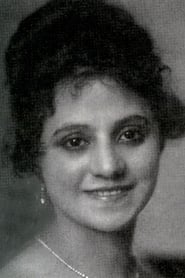
- The character of Momi was played by child actress Stellina Toschi, who became one of Italy's first child stars
- The toy soldiers used in the animation were reportedly custom-made for the production
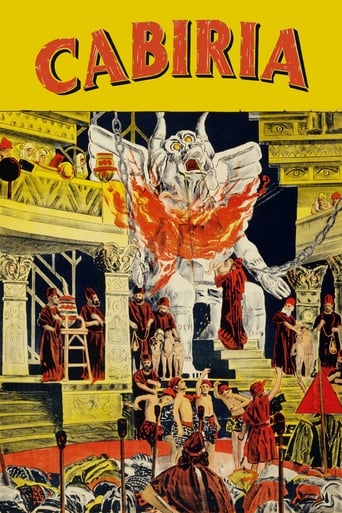
- Giovanni Pastrone was one of Italy's most important early film directors, known for the epic 'Cabiria' (1914)
- The film was part of a series of patriotic productions made by Itala Film during WWI
- Some animation sequences were created using the pixilation technique, animating real objects rather than drawings
- The film's dream sequences were tinted in different colors to distinguish them from reality
- Despite its technical achievements, the film was considered lost for decades before being rediscovered in a European film archive
Awards & recognition
- No major awards were given to this film, as award ceremonies for cinema were not yet established in 1917
Visual style
The cinematography of The War and the Dream of Momi was highly innovative for its time, featuring a combination of traditional live-action photography and pioneering animation techniques. The film employed multiple exposure techniques to blend live actors with animated elements, a technical achievement that required precise planning and execution. The dream sequences were distinguished from reality through the use of color tinting, with different hues representing various emotional states and fantasy elements. The animation sequences utilized stop-motion photography, with each frame carefully composed to create smooth movement of inanimate objects. The cinematographers had to work with extremely sensitive film stock and primitive lighting equipment, making the technical achievements even more impressive. The film also featured innovative camera movements and angles for the period, including tracking shots that followed the animated characters through their adventures. The visual style combined the realism of the live-action sequences with the fantastical nature of the animated dream world, creating a unique aesthetic that was both grounded and imaginative.
Innovations
The War and the Dream of Momi represents several significant technical achievements in early cinema. Most notably, it was one of the first feature films to successfully integrate animation with live-action, using techniques that were years ahead of their time. Segundo de Chomón employed a variety of animation methods including stop-motion, cutout animation, and pixilation to bring inanimate objects to life. The film's use of multiple exposure photography to combine live actors with animated elements was particularly innovative, requiring precise timing and alignment. The color tinting used to distinguish dream sequences from reality was also technically advanced for 1917. The production utilized custom-built miniature sets and props for the animation sequences, demonstrating remarkable attention to detail. The film's special effects, including animated explosions and battle sequences, pushed the boundaries of what was possible in early cinema. These technical innovations would influence filmmakers for decades to come and laid groundwork for future developments in animation and special effects.
Music
As a silent film, The War and the Dream of Momi did not have an original synchronized soundtrack. However, it would have been accompanied by live musical performance during its theatrical run. The typical score would have been performed by a theater orchestra or pianist, using popular classical pieces and original compositions tailored to the on-screen action. The patriotic themes of the film would have been underscored with nationalistic music, including Italian patriotic songs and military marches. The dream sequences likely featured more whimsical and fantastical musical selections to match their otherworldly nature. The emotional reunion scene would have been accompanied by sentimental, romantic music to enhance the emotional impact. The exact musical selections used during the film's original run are not documented, as was common with silent films of the era. Modern screenings of the restored version typically feature newly composed scores or carefully selected period-appropriate music.
Famous quotes
As a silent film, dialogue quotes are not available, but intertitles included messages such as 'In dreams, even toys can fight for our country' and 'A child's hope can move mountains'
Memorable scenes
- The opening sequence where Momi waves goodbye to her father as he leaves for war, the dream sequence where toy soldiers come to life and march into battle, the animated battle scene where personified Italian symbols defeat the enemy forces, the emotional reunion scene where Momi's father returns home victorious, the final celebratory sequence with animated fireworks and dancing toys
What audiences thought
The War and the Dream of Momi was well-received by Italian audiences in 1917, particularly among families and children who were drawn to its imaginative dream sequences and patriotic themes. The film's emotional story of a child waiting for her father's return from war resonated strongly with viewers who had similar experiences. The animation sequences were especially popular, with many audience members marveling at the seemingly magical movement of toys and objects. The film's patriotic message aligned with the prevailing sentiments of the Italian public during wartime, making it an effective piece of propaganda. Contemporary accounts suggest that audiences were particularly moved by the reunion scene between Momi and her father. The film's success in Italy led to its distribution in other European countries, though its impact was greatest in its home country. Modern audiences viewing the restored version often express surprise at the sophistication of the animation techniques used in 1917.
Film connections
Influenced by
- Georges Méliès' trick films
- Early Disney animations
- European fairy tale traditions
- Wartime propaganda posters
- Italian neorealist cinema (in its emotional realism)
This film influenced
- Early Disney animation shorts
- The Adventures of Prince Achmed (1926)
- King Kong (1933) - in its combination of live-action and animation
- Who Framed Roger Rabbit (1988)
- The Nightmare Before Christmas (1993)
Film restoration
The film was considered lost for many years but was rediscovered in the 1980s in a European film archive. A restored version was created in the early 2000s, though some sequences remain incomplete. The restoration was undertaken by the Cineteca Nazionale in collaboration with other European film archives. The surviving footage represents approximately 80% of the original film, with some dream sequences missing entirely. The restored version has been screened at various film festivals and is available for academic study.
Where to watch
- The restored version is occasionally screened at classic film festivals and special cinema events
- Available for viewing at some film archives and cinematheques
- Some segments may be available on educational streaming platforms specializing in classic cinema
- DVD/Blu-ray releases from specialty distributors of classic films
- Academic institutions with film studies programs may have access to the restored version