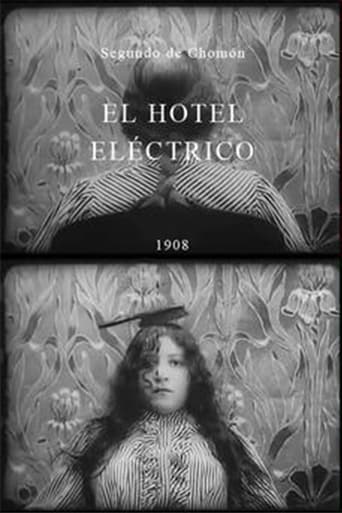

Segundo de Chomón
Actor & Director
Born: October 18, 1871 in Teruel, Spain Died: May 2, 1929 Active: 1901-1917 Birth Name: Segundo Víctor Aurelio Chomón y Ruiz
Films
50 films
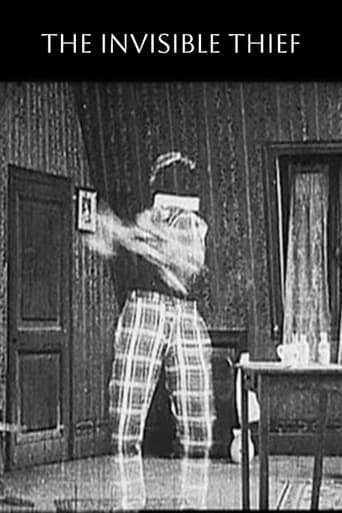
Le Voleur invisible
1909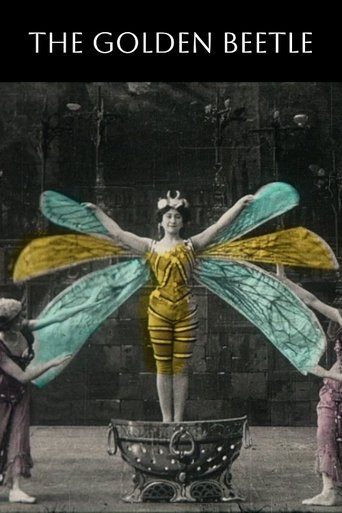
The Golden Beetle
1907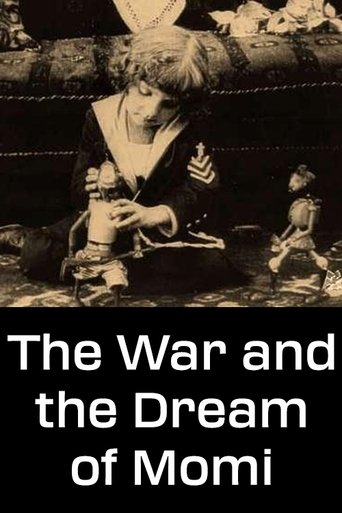
The War and the Dream of Momi
1917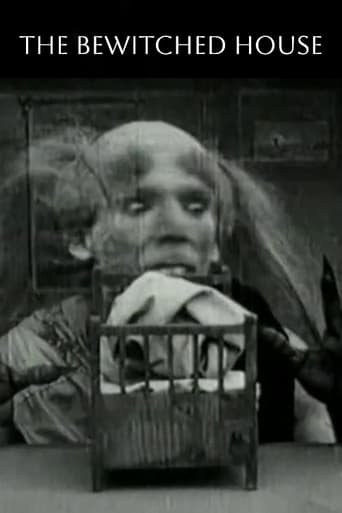
The Bewitched House
1906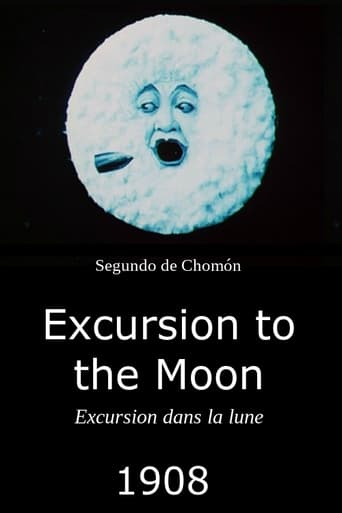
Excursion to the Moon
1908
Barcelona Park at Twilight
1904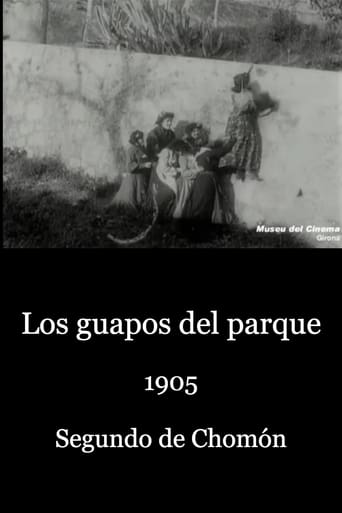
The Gallants of the Park
1904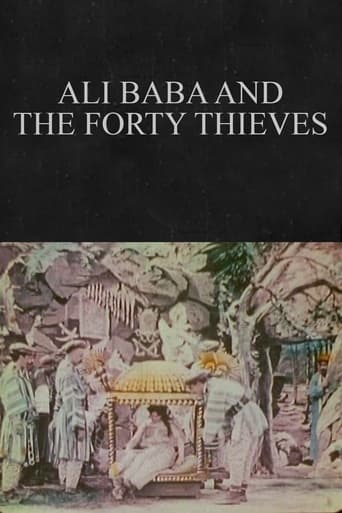
Ali Baba and the Forty Thieves
1907No Poster
International Dances
1902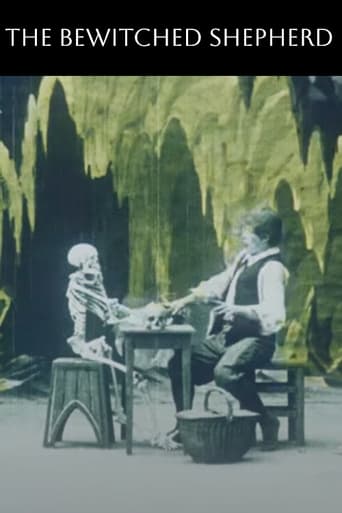
The Bewitched Shepherd
1906
The Gold Spider
1908
Beginning of the Serpentine Dance
1908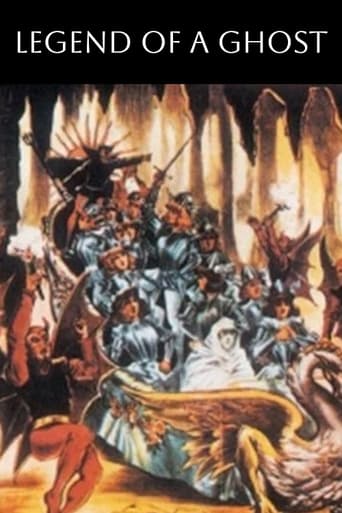
Legend of a Ghost
1908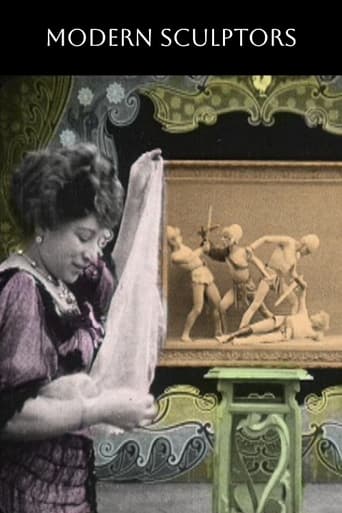
Modern Sculptors
1908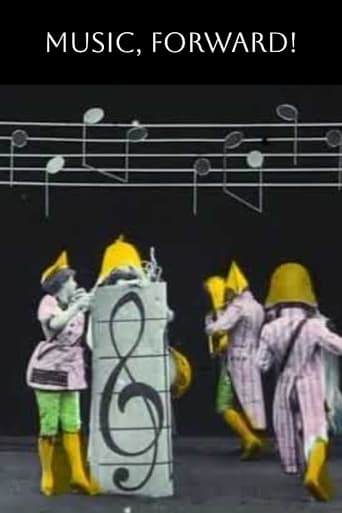
Music, Forward!
1907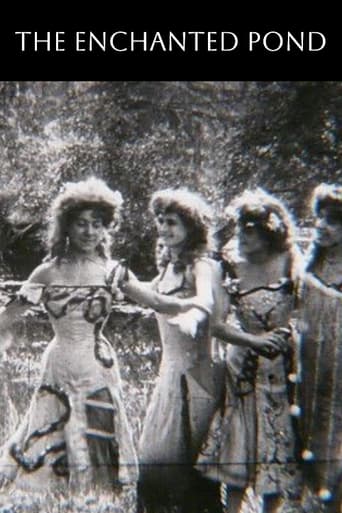
The Enchanted Pond
1907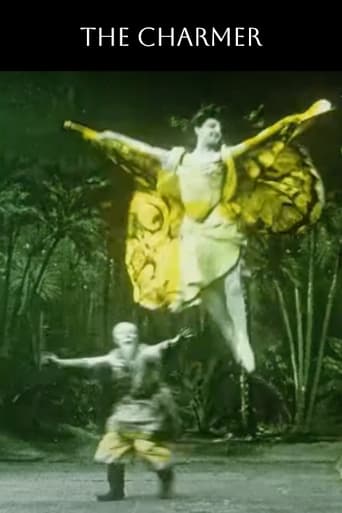
The Charmer
1907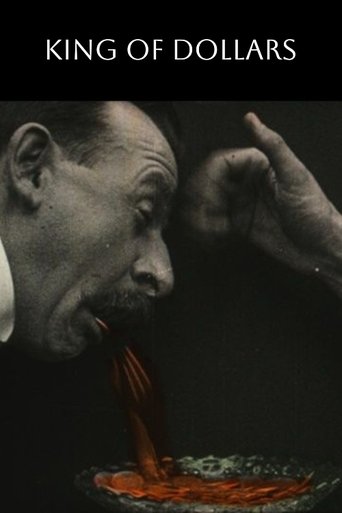
King of Dollars
1905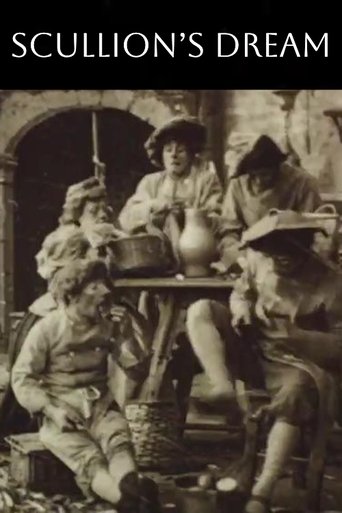
Scullion's Dream
1908
The Express Sculptor
1907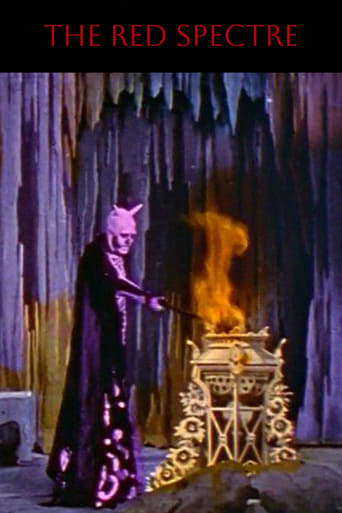
The Red Spectre
1907
A Hundred Tricks
1906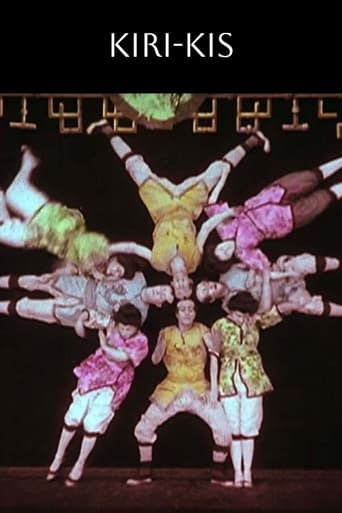
Kiri-Kis
1907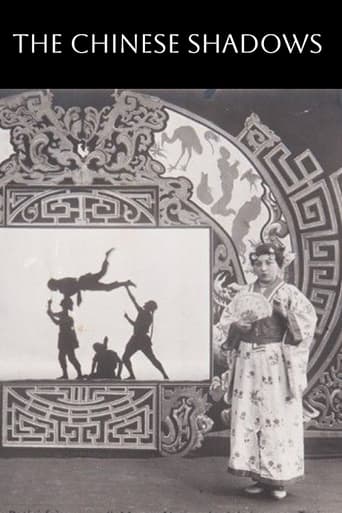
The Chinese Shadows
1908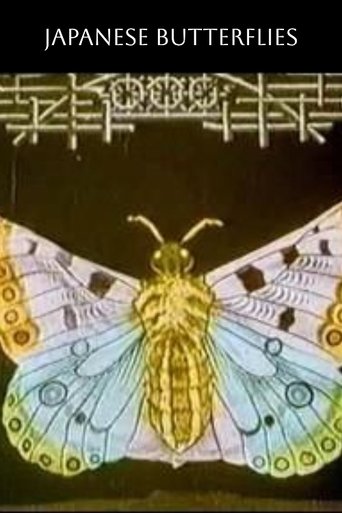
Japanese Butterflies
1908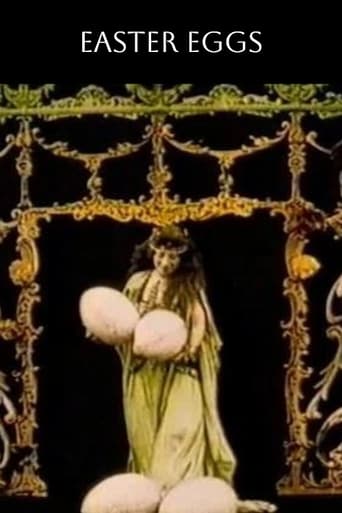
Easter Eggs
1907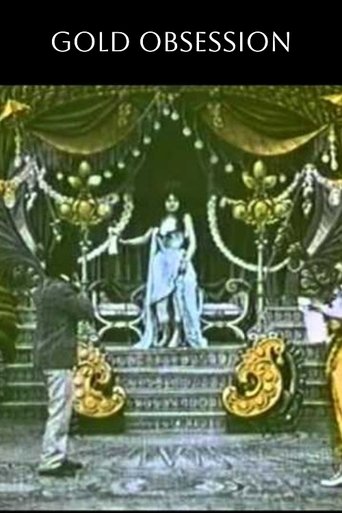
The Gold Obsession
1906
Girona, the Spanish Venice
1912
The Heroes of the Siege of Saragossa
1903
Unusual Cooking
1908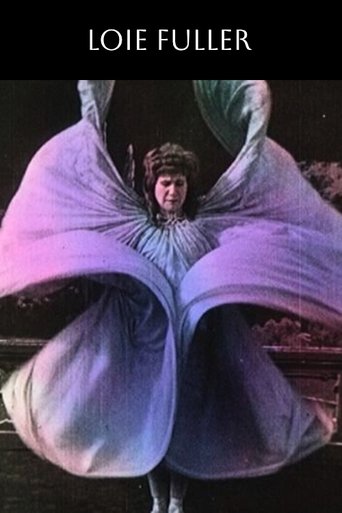
Loïe Fuller
1901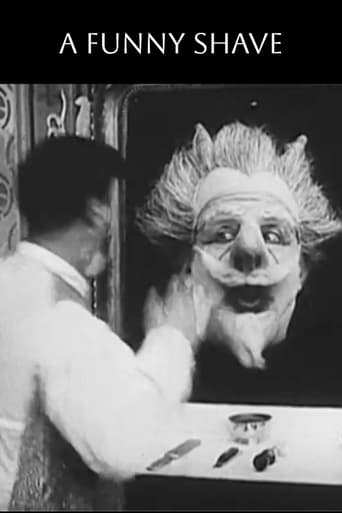
A Funny Shave
1905No Poster
The Yawner
1907
Barcelona and Its Park
1911
A Fallen Spirit
1910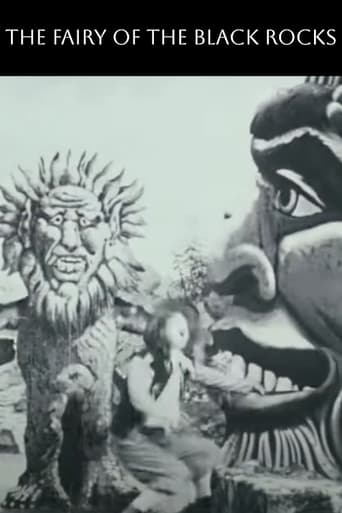
The Fairy of the Black Rocks
1907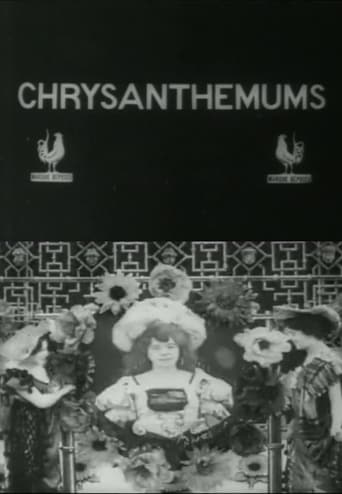
Chrysanthemums
1907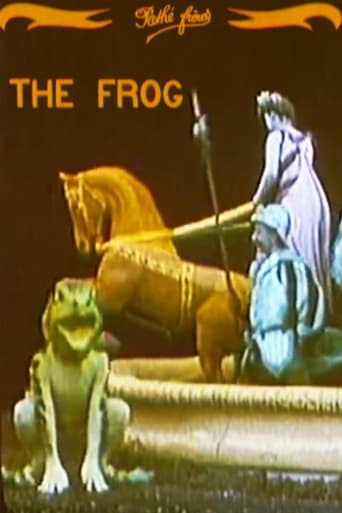
The Frog
1908
Sweet Dreams Intermingled With Nightmares
1908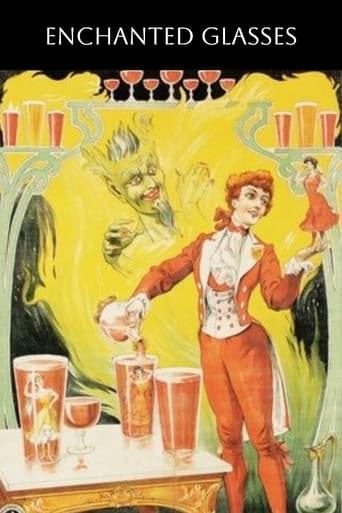
Enchanted Glasses
1907
Magie moderne
1908
Paper Cock-a-Doodles
1908
Magic Dice
1908No Poster
The Magic Mirror
1908
The Fantastic Iris
1912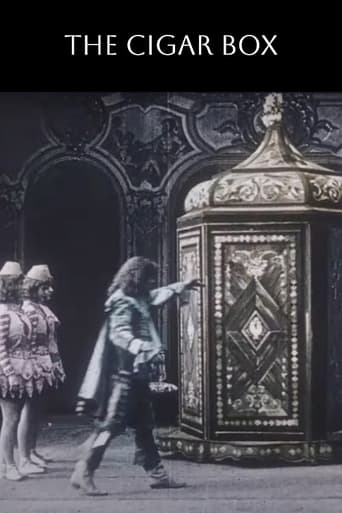
The Cigar Box
1907
The Magic Table
1905No Poster
Satan at Play
1907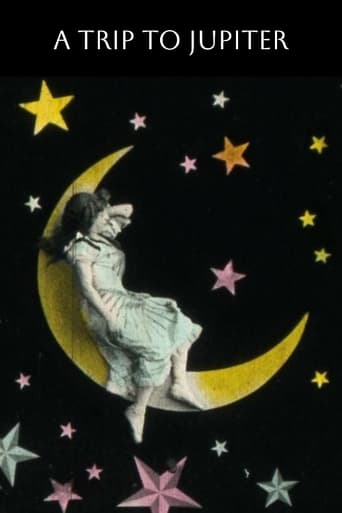
A Trip to Jupiter
1909About Segundo de Chomón
Spanish filmmaker and special effects innovator who in the development of early cinema during the silent era. Born in Teruel, Spain, he began his career as an actor and quickly transitioned to directing, where he became renowned for his innovative techniques in trick photography and special effects. His work with Pathé Frères in Paris established him as visual effects artists of his time, often compared to Georges Méliès in his mastery of cinematic magic. Chomón developed numerous techniques including multiple exposures, hand-painted color, and sophisticated editing tricks that pushed the boundaries of what was possible in early film. He worked extensively across Europe, creating films in Spain, France, and Italy, and collaborated with many of the era's most important filmmakers. His most productive period was between 1905 and 1912, during which he directed over 100 films and established himself excelled in fantasy and spectacle. Despite his enormous influence on early cinema, much of his work has been lost, and he remains somewhat underappreciated in film history compared to some of his contemporaries.
The Craft
On Screen
As an actor, Chomón appeared primarily in his own short films and experimental works, often playing roles that allowed him to demonstrate his special effects techniques. His acting was typically theatrical and exaggerated, as was common in the silent era, with an emphasis on visual comedy and physical performance that complemented his technical innovations.
Behind the Camera
Chomón's directing style was characterized by its technical sophistication and visual inventiveness. He excelled in the trick film genre, using techniques such as multiple exposures, substitution splices, and hand-colored frames to create magical effects. His films often featured fantastical elements, transformations, and impossible scenarios that showcased his technical prowess. Unlike many contemporaries, Chomón paid careful attention to composition and visual storytelling, creating elaborate sets and costumes that enhanced the dreamlike quality of his work.
Milestones
- Pioneered hand-painted color techniques in early cinema
- Developed innovative special effects for Pathé Frères
- Directed over 100 films during his career
- Created groundbreaking trick photography techniques
- Worked with major studios across Europe including Pathé and Itala Film
- Collaborated with influential directors like Giovanni Pastrone
- Served as cinematographer on the epic film 'Cabiria' (1914)
Best Known For
Must-See Films
Accolades
Special Recognition
- Recognized as one of the pioneers of special effects in cinema
- His films are preserved and studied by film archives worldwide
- Honored in retrospectives at major film festivals including Cannes and Venice
Working Relationships
Worked Often With
Studios
Why They Matter
Impact on Culture
Segundo de Chomón made significant contributions to the development of cinematic language and visual effects techniques that would become standard in the film industry. His innovations in hand-coloring, multiple exposure, and trick photography helped establish the vocabulary of cinematic magic that would influence generations of filmmakers. Working across multiple European countries, he helped spread technical knowledge and artistic approaches that contributed to the international development of cinema as an art form. His work demonstrated early cinema's potential for visual storytelling beyond simple documentation, showing how film could create fantastical worlds and impossible scenarios.
Lasting Legacy
Chomón's legacy lies in his technical innovations and artistic vision that helped shape early cinema's possibilities. While many of his contemporaries like Georges Méliès are better remembered today, film scholars recognize Chomón as equally important in developing cinematic techniques. His influence can be seen in the evolution of special effects throughout film history, from the fantasy films of the 1920s to modern digital effects. Preservation efforts by film archives have helped ensure that surviving examples of his work continue to be studied and appreciated by new generations of filmmakers and scholars.
Who They Inspired
Chomón directly influenced the development of European cinema through his work with major studios and his technical innovations. His special effects techniques were adopted and adapted by filmmakers across Europe and America. His collaboration with Giovanni Pastrone on 'Cabiria' helped establish standards for epic filmmaking that would influence later Hollywood productions. Contemporary filmmakers studying early cinema continue to draw inspiration from his creative problem-solving and visual inventiveness, with directors like Terry Gilliam and Michel Gondry acknowledging the debt modern fantasy filmmaking owes to pioneers like Chomón.
Off Screen
Segundo de Chomón married French actress Julienne Mathieu, who frequently appeared in his films and assisted with hand-coloring. The couple moved from Spain to Paris to pursue opportunities in the burgeoning film industry, where they became part of the early cinema community. After their time in France, they worked in Italy before eventually returning to Spain. Chomón's personal life was closely intertwined with his professional career, with his wife serving as both collaborator and muse throughout his most productive years.
Education
Limited formal education is documented, but he was largely self-taught in photography and filmmaking techniques, learning through practical experience and experimentation in the early film industry
Family
- Julienne Mathieu (c. 1895-1929)
Did You Know?
- He was often called 'the Spanish Méliès' due to his similar style of fantasy and trick films
- His wife Julienne Mathieu was instrumental in hand-coloring many of his films frame by frame
- He invented a special camera mechanism that allowed for smoother tracking shots
- Many of his films were remakes or adaptations of works by other filmmakers, but with superior technical execution
- He worked as a cinematographer on 'Cabiria,'
- His film 'The Electric Hotel' featured an early example of stop-motion animation
- He was one of the first filmmakers to use the dolly shot for dramatic effect
- Chomón's techniques were so advanced that some audiences believed he was using actual magic
- He frequently used the same actors in multiple films, creating an early form of stock company
- His work was distributed internationally, making him one of the first globally recognized Spanish filmmakers
In Their Own Words
The camera is not merely a recording device, but a magical instrument capable of transforming reality itself
In cinema, we are not bound by the laws of physics, only by the limits of our imagination
Frequently Asked Questions
Who was Segundo de Chomón?
Spanish filmmaker and special effects pioneer who worked during the silent era, known for his innovative techniques in trick photography and fantasy films. He was.
What films is Segundo de Chomón best known for?
Titles linked here include The Electric Hotel (1908), Loïe Fuller (1901).
When was Segundo de Chomón born and when did he die?
Born October 18, 1871; died May 2, 1929.
What awards did Segundo de Chomón win?
Chomón worked before the era of formal film awards, so he received no major awards during his lifetime. However, he is now recognized posthumously as a figure in special effects and early cinema, with his work preserved and celebrated by film archives worldwide.
What was Segundo de Chomón's directing style?
Chomón's directing style was characterized by technical sophistication and visual inventiveness, specializing in trick films featuring special effects like multiple exposures, hand-coloring, and substitution splices. His films often contained fantastical elements and magical transformations that showcased his special effects techniques.