Keys: Space play/pause · ←/→ 10s · F fullscreen · M mute · </> speed
Plot
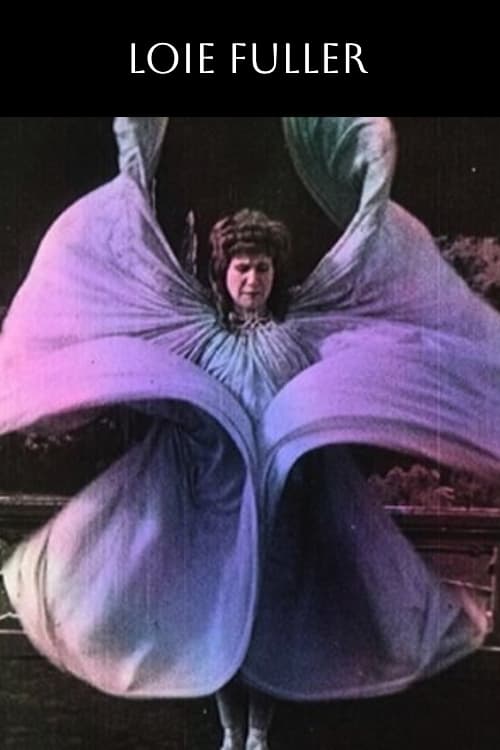
This groundbreaking short film opens with a bat gracefully fluttering across the screen, which then magically transforms into the renowned dancer Loïe Fuller. Fuller proceeds to perform her signature Serpentine Dance, mesmerizing viewers with her flowing silk costume that appears to change colors through innovative visual effects. The dance culminates in a spectacular finale where Fuller gradually fades away, disappearing completely into thin air. The entire performance showcases the revolutionary visual effects techniques of early cinema, combining dance, magic, and technological innovation in a seamless presentation.
Director
 Segundo de Chomón
Cast
About the Production
Release Date 1901
Production Pathé Frères
Filmed In Paris, France
This film was produced using Pathé's stencil coloring process, one of the earliest methods of adding color to motion pictures. The transformation sequence from bat to woman was achieved through careful editing and stop-motion techniques. The color-changing effects on Fuller's costume were created by hand-coloring each frame individually, a laborious process that required exceptional attention to detail. The production took advantage of Loïe Fuller's natural talent for creating visual illusions through her innovative dance movements and costume designs.
More Fantasy Films
View all →
More from Segundo de Chomón
View all →

Themes & Topics
dancetransformationmagiccolor filmspecial effectssilent filmshort filmexperimentalfantasybatdisappearing actserpentine dance
Historical Background
The year 1901 marked a pivotal moment in early cinema, as filmmakers were moving beyond simple actualities and exploring the artistic possibilities of the medium. The film industry was still in its infancy, with running times typically under three minutes and production dominated by French companies like Pathé and Gaumont. This period saw the rise of 'trick films,' which used special effects to create magical and fantastical narratives. Segundo de Chomón, though Spanish-born, was working within the French film industry and was developing his reputation as a master of visual effects. Meanwhile, Loïe Fuller was at the height of her fame in Paris, having revolutionized theatrical dance with her innovative use of lighting, costumes, and movement. The collaboration between these two artists represented a convergence of cinematic and theatrical innovation, embodying the artistic experimentation that characterized the Belle Époque era in France.
Why This Film Matters
This film holds immense cultural significance as one of the earliest examples of dance cinema and a pioneering work in visual effects. It represents a crucial moment when cinema began to document and reinterpret contemporary performance art, preserving for posterity the revolutionary work of Loïe Fuller, who was instrumental in developing modern dance and theatrical lighting. The film's technical achievements in color and transformation effects pushed the boundaries of what was possible in early cinema, influencing subsequent generations of filmmakers. It also exemplifies the cross-pollination between different art forms - dance, theater, and cinema - that would become increasingly important as the medium evolved. The preservation of Fuller's performance on film was particularly significant, as her work was primarily visual and ephemeral, making cinema the ideal medium to capture her artistic innovations for future generations.
Making Of
The production of 'Loïe Fuller' required meticulous planning and execution, particularly for the transformation sequence and color effects. Segundo de Chomón, working for Pathé Frères, employed the company's advanced stencil coloring technique, where each color required a separate stencil cut by hand. The film was likely shot on Pathé's studio stages in Paris, where lighting conditions could be carefully controlled. Loïe Fuller, who was already an international sensation for her innovative dance performances, brought her own artistic vision to the project. The costume she wore was her own design, featuring hundreds of yards of silk that created the flowing, ethereal effects. The filming process required multiple takes to perfect the timing of the transformation and the choreography of the disappearing effect. The hand-coloring process alone could take weeks for a short film of this length, with each frame requiring precise application of up to six different colors.
What Critics Said
Contemporary critics and trade publications praised the film for its technical innovation and visual beauty. The Pathé trade journal specifically highlighted the successful color effects and the seamless transformation sequence as examples of the company's technical superiority. Early film enthusiasts marveled at how cinema could capture and enhance the magic of Fuller's live performances. Modern film historians and scholars recognize the work as an important milestone in the development of both dance films and visual effects cinema. Critics today particularly appreciate the film's role in preserving the work of Loïe Fuller, who was a major figure in turn-of-the-century artistic culture but whose live performances could not otherwise be documented. The film is frequently cited in academic studies of early cinema, color film history, and the relationship between cinema and dance.
Did You Know?
- Loïe Fuller was not just a dancer but also an inventor who patented several theatrical lighting effects and stage mechanisms.
- The film features one of the earliest examples of transformation effects in cinema history.
- Segundo de Chomón was often called 'the Spanish Méliès' due to his mastery of trick films and special effects.
- The bat-to-woman transformation was achieved through a cut and careful positioning of the dancer.
- Pathé's stencil coloring process used for this film involved cutting stencils for each color and manually applying them to film frames.
- Loïe Fuller's Serpentine Dance was so popular that it was filmed by multiple directors, including Georges Méliès.
- The film was part of a series of dance films that Pathé produced featuring famous performers of the era.
- Fuller's innovative use of silk and lighting in her performances influenced the development of modern dance and theatrical production.
- The color effects in this film predate more sophisticated color processes by several decades.
- This film represents an early collaboration between a pioneering filmmaker and a groundbreaking performer.
More film details Visual style, music, quotes, restoration, and more
Visual Style
The cinematography in 'Loïe Fuller' demonstrates remarkable technical sophistication for its time. The camera work is steady and well-framed, capturing Fuller's full body movements while maintaining focus on the flowing silk costume. The lighting was carefully designed to enhance the color effects and create the ethereal atmosphere essential to the performance. The use of black backgrounds helped emphasize the dancer and her costume, making the color effects more dramatic. The transformation sequence required precise camera positioning to ensure the seamless transition from bat to woman. The cinematographer had to account for the hand-coloring process during filming, ensuring sufficient contrast and clarity for the stencil coloring technicians to work with effectively. The final disappearing effect was achieved through careful exposure control and timing, demonstrating an advanced understanding of photographic techniques.
Innovations
This film represents several significant technical achievements in early cinema. The most notable is the use of Pathé's stencil coloring process, one of the earliest and most sophisticated methods of adding color to motion pictures. The transformation effect from bat to woman demonstrates advanced understanding of editing and visual continuity for the period. The color-changing effects on Fuller's costume, achieved through meticulous hand-coloring of individual frames, represent an extraordinary level of craftsmanship. The disappearing finale required precise timing and exposure control, showing sophisticated understanding of photographic techniques. The film also showcases early experimentation with special effects makeup and costume design for cinematic purposes. These technical innovations helped establish many of the visual effects techniques that would become standard in later cinema.
Music
As a film from 1901, 'Loïe Fuller' was originally presented as a silent work with live musical accompaniment. The typical musical score would have been provided by a pianist or small ensemble in the exhibition venue, playing popular classical pieces or specially composed music appropriate to the ethereal and magical nature of the film. The music would have been synchronized to enhance the dance movements and emphasize the magical transformation and disappearance effects. Modern screenings of the film often feature period-appropriate musical accompaniment, typically using late Romantic or Impressionist compositions that complement the dreamlike quality of Fuller's dance. Some contemporary presentations have used original compositions inspired by the film's visual elements and the historical context of early cinema.
Famous Quotes
No dialogue in this silent film
Memorable Scenes
- The opening transformation sequence where a bat gracefully morphs into Loïe Fuller, showcasing early cinema's mastery of visual effects and setting the magical tone for the entire performance.
What Audiences Thought
Audiences in 1901 were captivated by the film's magical qualities and visual splendor. The combination of Loïe Fuller's already famous dance with the novelty of color film and transformation effects made it a popular attraction in early cinemas and fairground shows. Viewers were particularly enchanted by the color-changing effects on Fuller's costume, which seemed like genuine magic to audiences unfamiliar with film techniques. The disappearing finale was especially effective in eliciting wonder and applause from audiences. The film's short length and spectacular visual effects made it ideal for the variety-style programming typical of early cinema exhibitions. Modern audiences viewing the film in retrospectives and archives continue to be impressed by its technical sophistication and artistic beauty, considering it a remarkable achievement for its era.
Film Connections
Influenced By
- Georges Méliès' trick films
- Stage magic traditions
- Art Nouveau aesthetic
- Theatrical dance performances
- Spirit photography
- Optical toys and magic lantern shows
This Film Influenced
- Georges Méliès' 'The Serpentine Dance' (1896)
- Later dance films by Alice Guy-Blaché
- Early color experiments by Georges Méliès
- Transformation sequences in fantasy films
- Contemporary experimental dance films
Film Restoration
The film has been preserved through the efforts of film archives and is considered to be in good condition for its age. Multiple copies exist in various film archives around the world, including the Cinémathèque Française and the Library of Congress. Some versions show varying degrees of color preservation, with some retaining much of the original stencil coloring while others exist in black and white. The film has been digitally restored by several archives, allowing modern audiences to appreciate its visual effects and color work. The preservation status is considered stable, ensuring this important work of early cinema will remain accessible for future generations.
Where to Watch
- YouTube (various archive uploads)
- Internet Archive
- European Film Gateway
- Cinémathèque Française digital collections
- Museum of Modern Art film collection
- British Film Institute archive
- Kino Lorber DVD collections of early cinema
- Flicker Alley streaming service