Loïe Fuller
Actor
Born: January 15, 1862 in Fullersburg, Illinois, United States Died: January 1, 1928 Active: 1875-1928 Birth Name: Marie Louise Fuller
Films
1 film
About Loïe Fuller
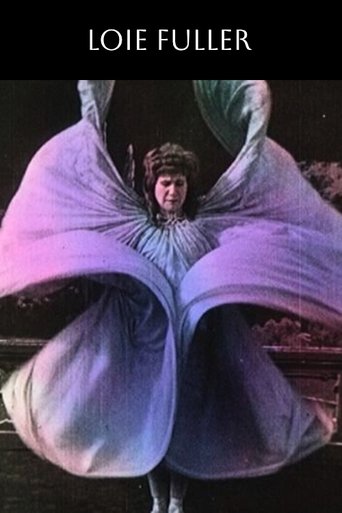
Loïe Fuller, born Marie Louise Fuller, was an American dancer and theatrical performer who revolutionized stage lighting and choreography in the late 19th and early 20th centuries. She began her career as a child actress and burlesque performer before developing her signature Serpentine Dance, which involved manipulating voluminous silk costumes with bamboo poles to create mesmerizing visual effects. Fuller achieved her greatest fame in Paris at the Folies Bergère, where her innovative use of colored lighting and special effects made her performers of the Belle Époque. Her work was captured in several early films, including the 1901 short 'Loïe Fuller,' which documented her dance techniques. Beyond performing, Fuller was also an inventor who patented numerous stage lighting devices and effects, including chemical compounds for creating colored flames. She mentored other dancers and ran her own school of dance, influencing the development of modern dance and theatrical production. Fuller's innovative approach to combining movement, light, and technology made her a significant figure in both the performing arts and early cinema.
The Craft
Milestones
- Developed the revolutionary Serpentine Dance in 1891
- Achieved stardom at Paris's Folies Bergère in 1892
- Performed for Queen Victoria and European royalty
- Patented multiple stage lighting inventions
- Opened her own dance school in Paris
- Subject of early films by Georges Méliès and other pioneers
- Represented American innovation at the 1900 Paris Exposition
Best Known For
Iconic Roles
Must-See Films
Accolades
Won
- Legion of Honour (Chevalier) from French government (1902)
Special Recognition
- French Legion of Honour
- Inducted into National Museum of Dance's Mr. & Mrs. Cornelius Vanderbilt Whitney Hall of Fame
- Featured in Smithsonian Institution's American History Museum collections
Working Relationships
Worked Often With
Studios
Why They Matter
Impact on Culture
Loïe Fuller revolutionized the intersection of dance, technology, and visual arts, fundamentally changing how theatrical performances could incorporate lighting and special effects. Her work prefigured modern multimedia performance art and influenced the development of cinema itself, particularly in the realm of visual effects and color experimentation. Fuller's innovative use of electricity and chemical compounds for creating colored stage lighting paved the way for modern theatrical lighting design. Her performances challenged conventional notions of femininity and artistic expression, presenting women as powerful, ethereal beings rather than mere objects of spectacle. The Serpentine Dance became a cultural phenomenon, inspiring countless imitators and establishing a new form of abstract dance that emphasized visual beauty over narrative. Fuller's success as an American woman achieving international acclaim in Europe helped break down cultural barriers and opened doors for other American artists abroad.
Lasting Legacy
Loïe Fuller's legacy endures in multiple fields: modern dance, theatrical lighting, and early cinema. Her innovative techniques in manipulating fabric and light continue to influence contemporary dance and performance art, with artists like Bill T. Jones and Robert Wilson acknowledging her impact. The lighting effects she pioneered remain fundamental to modern theatrical and concert productions. Her work in early cinema helped establish the potential of film as a medium for capturing dance and visual spectacle. Fuller's business model of managing her own career and inventions served as an early example of artistic entrepreneurship. Today, she is recognized as a crucial figure in the history of modernism, bridging the gap between Victorian spectacle and modernist experimentation. The Loïe Fuller Collection at the New York Public Library preserves her papers and memorabilia, ensuring her contributions remain accessible to scholars and artists.
Who They Inspired
Fuller directly influenced the development of modern dance through her rejection of classical ballet techniques in favor of free-form movement. Her innovations in theatrical lighting inspired generations of stage designers and technicians. In cinema, her work influenced early filmmakers like Georges Méliès, who experimented with similar visual effects. Contemporary performance artists and multimedia creators continue to draw inspiration from her synthesis of movement, light, and technology. Her success as an independent female artist paved the way for later women in dance and theater to maintain creative and financial control over their work. The aesthetic principles she established - particularly the emphasis on transformation, metamorphosis, and the interplay of light and movement - remain relevant in contemporary visual and performing arts.
Off Screen
Loïe Fuller never married and had no children, dedicating her entire life to her art and career. She maintained a close personal and professional relationship with her mother, who served as her manager and companion throughout much of her career. Fuller lived primarily in Paris after achieving international fame, though she maintained American citizenship and returned periodically to the United States for performances. She was known for her business acumen, managing her own career and financial affairs independently, which was unusual for women of her era. In her later years, she suffered from health complications but continued to perform and teach until shortly before her death.
Education
Limited formal education; primarily self-taught in dance and theatrical arts. Studied briefly with various dance teachers but developed her unique style through experimentation and innovation.
Did You Know?
- Fuller was one of the first performers to use electricity in theatrical productions
- She patented over 30 inventions related to stage lighting and costume design
- Her Serpentine Dance was so popular that it spawned countless imitators and led to copyright disputes
- Fuller performed for six consecutive U.S. Presidents
- She was known as 'La Loïe' in Paris and became a symbol of American artistic innovation
- Her performances could last up to 45 minutes, requiring extraordinary physical stamina
- Fuller's costumes often weighed over 30 pounds and extended up to 20 feet
- She was a close friend of scientist Marie Curie and other leading intellectuals of her time
- Fuller's work inspired visual artists like Gustav Klimt and the Symbolist painters
- She was one of the first Western performers to tour extensively in Asia and Russia
In Their Own Words
I have no desire to be a great dancer. I only want to be a great artist.
The dance is not an art in itself, but a means of expression.
I have tried to make my body a living, moving expression of the music.
Light is the soul of the dance, without it there is only movement.
I do not dance with my feet, but with my soul.
Frequently Asked Questions
Who was Loïe Fuller?
American dancer and theatrical innovator who became famous in Paris for her Serpentine Dance and revolutionary use of stage lighting and special effects. She was a major figure in the development of modern dance and early cinema, known for combining movement with elaborate lighting techniques.
What films is Loïe Fuller best known for?
Titles linked here include Loïe Fuller (1901), Danse serpentine par Mlle. Loïe Fuller (1896).
When was Loïe Fuller born and when did she die?
Born January 15, 1862; died January 1, 1928.
What awards did Loïe Fuller win?
Fuller was awarded the French Legion of Honour as a Chevalier in 1902, recognizing her contributions to French culture and the arts. She has also been posthumously inducted into the National Museum of Dance's Hall of Fame and featured in the Smithsonian Institution's collections.
What was Loïe Fuller's dancing style?
Fuller's style was revolutionary for its time, focusing on the visual effects created by manipulating voluminous silk costumes with bamboo poles while performing under complex colored lighting. Her Serpentine Dance emphasized abstract movement and transformation rather than narrative or technical precision, making her a pioneer of modern dance.
How did Loïe Fuller influence cinema?
Fuller influenced early cinema through her innovative use of visual effects, color experimentation, and the documentation of dance. Her work inspired filmmakers like Georges Méliés, and her films demonstrated how motion pictures could capture and enhance theatrical spectacle, paving the way for future dance films and visual effects in cinema.
What inventions did Loïe Fuller create?
Fuller patented over 30 inventions related to stage lighting, costume design, and special effects. She developed chemical compounds for creating colored flames, innovative lighting fixtures, and mechanical devices for controlling her elaborate costumes during performances, making her an important figure in theatrical technology.