
Beginning of the Serpentine Dance
"Waltz becomes serpentine spell in a parlor"
Keys: Space play/pause · ←/→ 10s · F fullscreen · M mute · </> speed
About this film
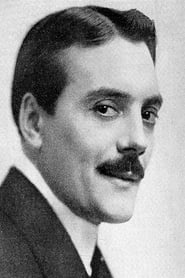
In a living room, four contemporary couples from the time the film was shot dance a waltz under the direction of a violinist (Linder). They begin a minuet and their costumes change in a sudden. A man enters and seems interested in what he sees, casts a spell and everything disappears.
Cast & crew
More Fantasy films
View all →
More from Segundo de Chomón
View all →

More about this film
About the production
Release date1908
Box officeNo records available - box office tracking was not standardized in 1908
ProductionPathé Frères
Filmed inParis, France
This film was part of Pathé's ambitious fantasy series, utilizing their state-of-the-art special effects facilities. The serpentine dance sequences required elaborate hand-coloring techniques, with each frame individually tinted to create the flowing color effects. The production used multiple exposure techniques and dissolves that were groundbreaking for the time. The hell scenes were created using painted backdrops and forced perspective to maximize the dramatic effect within the limited studio space.
Themes
Transformation and metamorphosisThe supernatural and demonicArt and performanceTime and temporal shiftsMagic and illusion
Themes & topics
serpentine dancemagictransformationdevilhellwaltzminuetspecial effectsfantasysupernaturaldancevanishingcolor filmtrick film
Historical background
Made during the nickelodeon years around 1908, Beginning of the Serpentine Dance reached audiences through theatrical programs, fairground booths, or specialized distribution channels typical of its generation. In a living room, four contemporary couples from the time the film was shot dance a waltz under the direction of a. Historians now read such works for what they reveal about production methods, national taste, and the expanding vocabulary of screen narrative.
Why this film matters
Archivists and programmers still screen Beginning of the Serpentine Dance when tracing how popular entertainment evolved. Its subject—in a living room, four contemporary couples from the time the film was shot dance a waltz under the—gives later viewers tangible evidence of what drew crowds in the silent period. Home video, restorations, and festival sidebars keep the title circulating among students of film history.
Making of
The production of 'Beginning of the Serpentine Dance' showcased Pathé Frères' commitment to technical innovation and artistic ambition. Segundo de Chomón, who had previously worked as a projectionist and developed his own camera equipment, brought his technical expertise to bear on this complex production. The serpentine dance sequences required precise choreography and timing to synchronize the dancers' movements with the special effects. The hand-coloring process was particularly labor-intensive, with teams of women working in factory-like conditions to paint each frame by hand. The transformation scenes were achieved through careful editing and multiple exposure techniques that de Chomón had perfected during his time at Pathé. Max Linder's involvement, though brief, represented the studio's practice of using their established stars in even smaller fantasy productions to add star power.
What critics said
Original trade coverage treated Beginning of the Serpentine Dance as routine program filler rather than a landmark production—common for shorts. Later criticism emphasizes preservation, stylistic comparison with contemporaries, and whatever cast or crew names later gained prominence. Contemporary writing is mostly historical: assessing completeness, influence, and place in a director's or studio's catalog.
Did you know?
- The serpentine dance was originally popularized by Loie Fuller in the 1890s and became a favorite subject for early filmmakers due to its visual potential
- Segundo de Chomón was often called 'the Spanish Méliès' due to his mastery of trick photography and special effects
- Max Linder, who appears as the violinist, would later become one of the first international film stars before Charlie Chaplin
- The hand-coloring process used in this film could take weeks to complete, with artists painting each frame individually
- Pathé Frères was the largest film production company in the world at the time, with studios across Europe and America
- The film's special effects were achieved using techniques including multiple exposure, substitution splices, and dissolves
- Early cinema audiences often believed these magical effects were real, leading to both wonder and occasional accusations of witchcraft
- The serpentine dance films were particularly popular in vaudeville theaters as part of mixed bills
- This film represents an early example of narrative structure within what was primarily a trick film format
- The devil character was a common trope in early fantasy films, representing the mysterious power of cinema itself
Visual style
The cinematography of 'Beginning of the Serpentine Dance' showcases the sophisticated techniques being developed at Pathé Studios. The film utilizes multiple exposure to create the magical transformations, with careful masking and timing to ensure smooth transitions between scenes. The camera work is notably static, as was typical of the era, but uses depth of field effectively to create layered compositions in the hell scenes. The serpentine dance sequences employ careful lighting to highlight the flowing fabric and create silhouettes that enhance the ethereal quality of the performance. The hand-coloring process adds another dimension to the visual style, with careful attention to color transitions that complement the movement of the dancers and fabric.
Innovations
The film represents several significant technical achievements for its time. The hand-coloring process, while labor-intensive, created some of the most sophisticated color effects of the era. The transformation sequences used multiple exposure techniques with remarkable precision, creating seamless magical effects. The serpentine dance effects were achieved through careful choreography combined with specialized lighting and camera techniques. The film also demonstrates advanced editing techniques for the period, with smooth transitions between scenes and effective pacing despite the short runtime. The creation of the hell scenes using painted backdrops and forced perspective showed an understanding of visual design that was ahead of its time.
Music
As a silent film, 'Beginning of the Serpentine Dance' would have been accompanied by live music during exhibition. The typical score would have included classical waltz music for the opening dance scenes, transitioning to more dramatic and mysterious compositions for the supernatural elements. The serpentine dance sequence would have been accompanied by flowing, impressionistic music, possibly works by composers like Debussy or Satie that were popular in Parisian salons. Many theaters employed small orchestras or at least a pianist to provide appropriate accompaniment, with the music often changing to match the on-screen action and mood shifts.
Memorable scenes
- The opening waltz sequence where four couples dance in the elegant living room, representing contemporary society
- The magical transformation scene where the dancers' costumes change from modern to period attire
- The devil's entrance and spell-casting that causes everything to vanish
- The creation of silk from the cauldron in hell, showcasing early special effects
- The serpentine dance sequence where the woman emerges from the silk fabric, flowing and transforming in waves of color
- The final ballet with multiple women dancing in synchronized patterns before disappearing in flames
What audiences thought
Audiences of 1908 were reportedly mesmerized by the film's magical transformations and flowing color effects. The serpentine dance sequences, in particular, drew enthusiastic responses, with viewers often expressing disbelief that such effects could be achieved through photography alone. The film was popular in both vaudeville theaters and dedicated cinema houses, often featured as part of mixed bills that showcased the latest technical innovations. Contemporary accounts suggest that audiences returned multiple times to study the effects and try to understand how they were accomplished. The combination of familiar dance forms with supernatural elements created a perfect balance of the recognizable and the fantastic that appealed to early cinema audiences.
Film connections
Influenced by
- Georges Méliès' trick films
- Loie Fuller's serpentine dance performances
- Contemporary French theater and ballet
- Occult and spiritualist movements of the early 1900s
- Classical mythology and folklore
This film influenced
- Later fantasy and horror films
- Musical films with elaborate dance sequences
- Music videos featuring flowing fabric effects
- Contemporary experimental dance films
- Modern fantasy cinema transformation scenes
Film restoration
The film is preserved in various film archives including the Cinémathèque Française and the Library of Congress. Multiple copies and fragments exist, though some versions may be incomplete or show varying degrees of deterioration. The hand-colored versions are particularly rare and valuable due to the delicate nature of the early color processes. Restoration efforts have been undertaken by several archives to preserve both the black and white and hand-tinted versions of this historically significant film.
Where to watch
- Available on various early cinema compilation DVDs
- Streaming on specialized classic film platforms
- Viewable at film archives and cinematheques
- Included in some university film studies collections
- Occasionally screened at film festivals focusing on early cinema
- Available through some public domain film websites