Films
3 films
About Gina Marangoni
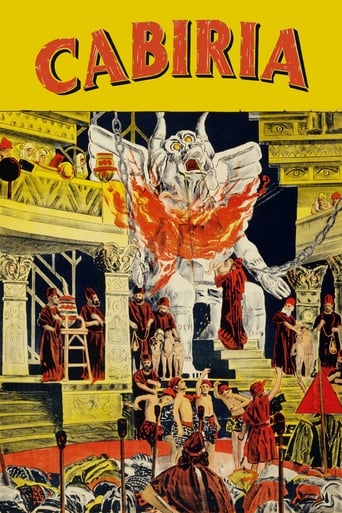
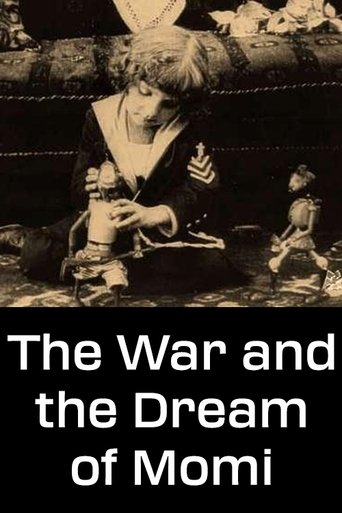
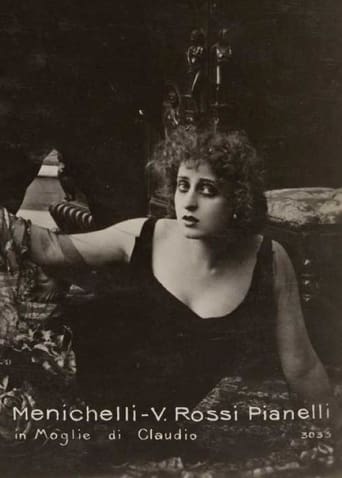
Italian silent film actress who rose to prominence during the golden age of Italian cinema in the 1910s. Gina appears in several notable productions during her brief but impactful career, most famously participating in Giovanni Pastrone's epic 'Cabiria' (1914), which revolutionized cinematic techniques with its elaborate sets and innovative camera movements. Her performance in 'The War and the Dream of Momi' (1917) showcased her ability to convey complex emotions through the silent medium, a skill highly valued in early cinema. Marangoni continued her work in Italian cinema with 'La Moglie di Claudio' (1918), demonstrating her versatility across different genres from historical epics to domestic dramas. Her career, though relatively short, spanned a crucial period in film history when Italian cinema was at the forefront of artistic innovation. Like many actors of her era, her career appears to have ended around the time Italian cinema began to decline due to World War I and its aftermath. Her contributions, while not extensively documented, represent the important work of supporting actors who helped establish the foundations of cinematic storytelling.
The Craft
On Screen
As a silent film actress of the 1910s, Marangoni would have employed the exaggerated gestures and facial expressions characteristic of the era, using physical performance to convey emotion and narrative without dialogue. Her work in historical epics like 'Cabiria' suggests she was adept at the grand, theatrical style required for such productions.
Milestones
- Appeared in the groundbreaking epic 'Cabiria' (1914)
- Starred in 'The War and the Dream of Momi' (1917)
- Featured in 'La Moglie di Claudio' (1918)
- Contributed to Italian cinema's golden age
Best Known For
Iconic Roles
Must-See Films
Working Relationships
Worked Often With
Studios
Why They Matter
Impact on Culture
Gina Marangoni contributed to Italian cinema's international prominence during the 1910s, a period when Italian films were among the most technically and artistically advanced in the world. Her participation in 'Cabiria' placed her in one of cinema's most influential early works, which pioneered techniques like the moving camera and influenced filmmakers worldwide, including D.W. Griffith. Though her individual contributions may not be widely documented, she was part of the artistic movement that established cinema as a serious art form capable of epic storytelling.
Lasting Legacy
While Gina Marangoni may not be a household name today, her legacy is preserved through her participation in historically significant films that continue to be studied by film scholars. 'Cabiria' remains a cornerstone of early cinema history, and all who contributed to it, including Marangoni, played a role in advancing the medium. Her work represents the countless actors of the silent era who helped establish the foundations of cinematic performance art.
Who They Inspired
As an actress from the formative years of cinema, Marangoni would have been part of the generation that established acting techniques specific to the film medium, distinct from theatrical performance. Her work in Italian epics contributed to the development of the dramatic style that would influence silent cinema internationally.
Off Screen
Very little documented information exists about Gina Marangoni's personal life, which was common for supporting actors of the silent era, particularly in European cinema where detailed records were not always preserved.
Did You Know?
- Appeared in 'Cabiria', one of the first full-length feature films ever made
- Worked during Italy's cinematic golden age before World War I disrupted the industry
- Participated in films that helped establish the epic genre in cinema
- Her active years covered only four years, typical for many actors of the early film period
- Italian cinema of her era was known for its elaborate sets and historical spectacles
- Silent film actors like Marangoni had to master the art of conveying emotion without dialogue
- Early Italian cinema was internationally acclaimed before Hollywood's dominance
- Many records from this period of Italian cinema were lost during World War II
Frequently Asked Questions
Who was Gina Marangoni?
Italian silent film actress active during the 1910s, best known for her roles in early Italian cinema including the landmark epic 'Cabiria' (1914). She worked during a pivotal period when Italian films were among the most innovative and influential in the world.
What films is Gina Marangoni best known for?
Titles linked here include Cabiria (1914), The War and the Dream of Momi (1917).
When was Gina Marangoni born and when did she die?
Unfortunately, specific birth and death dates for Gina Marangoni are not available in historical records, which is common for supporting actors from the silent era, particularly in European cinema where documentation was often incomplete.
What awards did Gina Marangoni win?
No awards or nominations have been documented for Gina Marangoni, which was typical for actors of her era as the major film award systems we know today, like the Academy Awards, were not established until later in cinema history.
What was Gina Marangoni's acting style?
As a silent film actress of the 1910s, Marangoni would have used the exaggerated physical performance style characteristic of the period, employing dramatic gestures and facial expressions to convey emotion and story without dialogue. Her work in epics like 'Cabiria' suggests she was skilled in the grand theatrical style required for such productions.