Films
3 films
About Enrico Gemelli
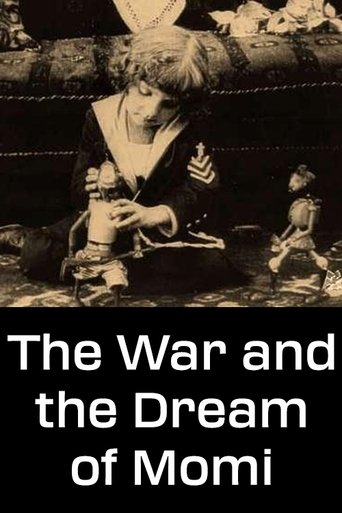
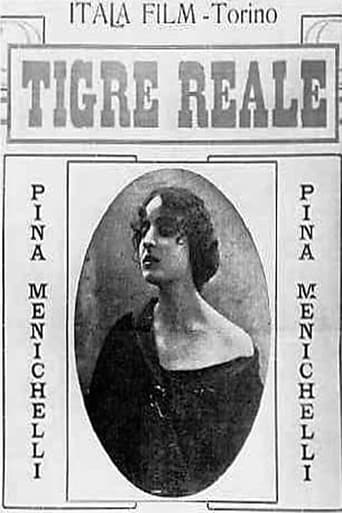
Enrico Gemelli worked on one surviving credit: The Warrior (1916). His entire known filmography spans just two years, from 1916 to 1917, during which he appeared in at least three significant Italian productions. Gemelli emerged during the golden age of Italian cinema, when the country was one of the world's leading film producers before being overtaken by Hollywood after World War I. His performances in 'The Warrior' (1916) and 'The Royal Tigress' (1916) showcased his ability to embody dramatic characters during a period when Italian cinema was known for its historical epics and spectacular productions. His final known appearance was in 'The War and the Dream of Momi' (1917), a film that reflected the cinematic response to World War I. Like many actors of his era, Gemelli's career was likely cut short by the war or the subsequent decline of the Italian film industry, and he appears to have left the film business as quickly as he entered it.
The Craft
On Screen
As a silent film actor of the Italian school, Gemelli likely employed the exaggerated gestures and dramatic facial expressions characteristic of the era, particularly suited to the historical and dramatic themes prevalent in Italian cinema of the 1910s.
Milestones
- Appeared in 'The Warrior' (1916)
- Starred in 'The Royal Tigress' (1916)
- Final role in 'The War and the Dream of Momi' (1917)
Best Known For
Iconic Roles
Must-See Films
Why They Matter
Impact on Culture
Enrico Gemelli represents the countless actors who contributed to the vibrant but often undocumented world of early Italian cinema. During the 1910s, Italy was a cinematic powerhouse, producing elaborate historical epics and dramatic features that influenced filmmakers worldwide. Though Gemelli was not a major star, his participation in films of this period places him within the broader context of cinema's formative years, when the art form was establishing its visual language and storytelling techniques. His work during this brief window captures a moment when Italian cinema was at its peak before the devastation of World War I and the rise of Hollywood dramatically altered the global film landscape.
Lasting Legacy
Enrico Gemelli's legacy is primarily that of a representative figure from the golden age of Italian silent cinema. Like many actors of his generation who had brief careers, he serves as a reminder of the vast number of artists who contributed to early film history but whose names have been lost to time. His surviving film appearances, though few, provide valuable documentation of the acting styles and production values of Italian cinema during its peak years. Gemelli's story illustrates the transient nature of early film stardom and the challenges of preserving the complete record of cinema's pioneers.
Who They Inspired
Due to his brief career and limited documentation, Enrico Gemelli's specific influence on subsequent actors or filmmakers cannot be traced. However, as part of the Italian silent film tradition, he would have contributed to the development of acting techniques that emphasized physical expressiveness and emotional intensity, elements that would later influence performers across national cinemas.
Off Screen
Very little is documented about Enrico Gemelli's personal life, which was common for actors of the silent era who were not major stars. His brief active years covered only two years, suggesting he may have been young at the time of his film work.
Did You Know?
- Gemelli's entire known active years covered only two years, making him one of cinema's briefest working actors
- He appeared in films during Italy's cinematic golden age before World War I devastated the industry
- All three of his known films were released within an 18-month period
- Like many silent era actors, most personal details about Gemelli have been lost to history
- His filmography coincides with some of the last major productions of pre-war Italian cinema
- The titles of his films suggest he worked primarily in dramatic and historical genres
- No photographs or additional biographical information about Gemelli appear to have survived
- His career ended before the transition to sound films in the late 1920s
Frequently Asked Questions
Who was Enrico Gemelli?
Italian silent film with credits in this catalog.
What films is Enrico Gemelli best known for?
Titles linked here include The Warrior (1916), The Royal Tigress (1916).
When was Enrico Gemelli born and when did he die?
Exact birth and death dates for Enrico Gemelli are not documented in available historical records, though he was active as an actor during 1916-1917.
What awards did Enrico Gemelli win?
No awards or nominations for Enrico Gemelli are documented, which was common for many actors of the silent era, especially those with brief careers.
What was Enrico Gemelli's acting style?
As an Italian silent film actor of the 1910s, Gemelli likely employed the dramatic gestures and expressive facial techniques typical of the era, suited to the historical and dramatic themes of Italian cinema.