Padre
"Fatherhood under pressure"
Keys: Space play/pause · ←/→ 10s · F fullscreen · M mute · </> speed
About this film
Early Italian drama Padre, directed by Dante Testa and Gino Zaccaria in 1912, examines family duty and parental authority in a domestic crisis. Surviving materials are fragmentary but place it within pre-war Italian fiction shorts.
Cast & crew
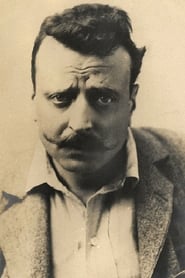
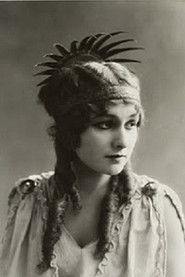
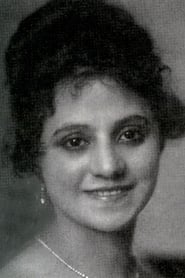
More about this film
About the production
The film was produced during the golden age of Italian cinema, when Turin was a major production center. It was likely shot on black and white 35mm film, standard for the era. The production may have utilized natural lighting and location shooting around Turin, as was common in early Italian cinema.
Themes
Themes & topics
Historical background
Italy's pre-feature industry produced many one-reel melodramas; Padre reflects Catholic cultural emphasis on paternal responsibility.
Why this film matters
As an early Italian family drama, 'Padre' contributed to the development of cinematic storytelling focused on domestic themes that would become staples of Italian cinema throughout its history. The film reflects the strong patriarchal values and family-centric culture of early 20th century Italy, themes that would continue to resonate in Italian cinema for decades. It represents an important example of the transition from theatrical acting styles to more naturalistic film performances, particularly through Ermete Zacconi's work. The film also exemplifies Italy's early contribution to narrative cinema, helping establish techniques for emotional storytelling without dialogue. As a product of Turin's film industry, it's part of the foundation that made Italy a cinematic powerhouse in the silent era.
Making of
The production of 'Padre' took place during a transformative period in Italian cinema history. The collaboration between Gino Zaccaria and Dante Testa suggests a creative partnership that was common in early Italian film production, where actors often took on multiple roles. Ermete Zacconi, coming from a prestigious theatrical background, likely brought method acting techniques that were still relatively new to cinema. The film was probably shot in Turin, which was then the heart of Italy's film industry. Production conditions in 1912 were challenging, with primitive equipment, long shooting days, and the need for actors to perform with exaggerated expressions to convey emotion without dialogue. The film may have been shot in sequence, as editing techniques were still developing, and continuity was maintained through careful rehearsal.
What critics said
Limited archival access restricts criticism; the title appears in catalogues of early Italian narrative cinema.
Did you know?
- The film was made during Italy's silent film boom when the country was one of the world's leading film producers
- Ermete Zacconi was one of Italy's most respected stage actors who successfully transitioned to cinema
- Lidia Quaranta would later become one of Italy's biggest film stars of the 1910s
- Dante Testa was not only an actor but also a director, suggesting he may have had creative input beyond his acting role
- The film was produced by Itala Film, one of Italy's early production companies
- 1912 was the year before Italian cinema reached its international peak with historical epics
- The title 'Padre' reflects the strong emphasis on family themes in early Italian cinema
- represents an early example of Italian dramatic cinema before the epic historical films became dominant
Visual style
The cinematography would have been typical of 1912 Italian productions, utilizing stationary cameras with occasional movement for dramatic effect. Black and white film stock would have created high contrast images, with lighting carefully arranged to highlight actors' expressions. The cinematographer would have used natural light when possible, supplemented by artificial lighting for interior scenes. Camera placement would have been influenced by theatrical staging, with medium shots predominating to capture actors' performances.
Innovations
While not a technical innovator like some contemporary epics, 'Padre' would have utilized standard 1912 film technology including 35mm film and relatively primitive camera equipment. The film may have employed early editing techniques like cross-cutting to build dramatic tension. The production would have benefited from the technical expertise of Itala Film, which was known for its quality productions.
Music
As a silent film, 'Padre' would have been accompanied by live musical performance during theatrical screenings. The score would likely have been compiled from popular classical pieces or specially composed music to match the emotional tone of each scene. Theater orchestras or pianists would have used cue sheets to synchronize the music with the on-screen action, creating dramatic emphasis for key moments in the narrative.
Memorable scenes
- The climactic confrontation between father and family members where difficult decisions must be made
- Opening scenes establishing the patriarch's authority and family dynamics
- Emotional resolution scenes exploring the meaning of fatherhood
What audiences thought
Audience reception in 1912 would have been influenced by the growing popularity of cinema as entertainment and the star appeal of the cast. Italian audiences of the era particularly responded to films with strong emotional content and family themes, which 'Padre' likely delivered. The film's domestic subject matter would have resonated with contemporary Italian viewers who valued family-centric narratives. As cinema was still a relatively new medium, audiences would have been impressed by the dramatic possibilities of film storytelling.
Film connections
Influenced by
- Italian theatrical tradition
- 19th century family dramas
- Contemporary social realist literature
This film influenced
- Later Italian family dramas
- Neorealist films with family themes
Film restoration
The film is likely lost, as is the case with approximately 90% of films from this era. No known copies exist in major film archives. If any fragments survive, they would be of significant historical value to film preservationists and historians of Italian cinema.
Where to watch
- No known viewing options available due to lost status. Film historians may be able to access production stills or documentation through archives like the Cineteca Italiana or the National Film Library in Italy.