Ermete Zacconi
Actor
Born: September 14, 1857 in Montecchio Emilia, Italy Died: October 14, 1948 Active: 1870s-1940s
Films
2 films
About Ermete Zacconi
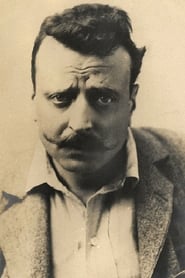
Ermete Zacconi was one of Italy's most celebrated actors of the late 19th and early 20th centuries, renowned for his powerful stage presence and dramatic intensity. Born in 1857, he began his theatrical career as a young man and quickly rose to prominence in Italian theater, becoming known for his realistic and emotionally charged performances. Zacconi excelled in both classical and contemporary dramatic roles, bringing unprecedented psychological depth to his characters. While primarily a stage actor, he also made significant contributions to early Italian cinema during the silent era, appearing in several films that showcased his theatrical prowess. He married fellow actress Ines Cristofori, and together they formed one of Italy's most celebrated theatrical couples. Zacconi's over six decades, during which he influenced generations of Italian actors and helped establish modern acting techniques in Italian theater. His legacy as both a performer and teacher continued to shape Italian performing arts well into the 20th century.
The Craft
On Screen
Zacconi was known for his intensely realistic and psychologically deep acting style, breaking away from the melodramatic traditions of 19th-century Italian theater. He employed naturalistic gestures, authentic emotional expression, and meticulous character study to bring unprecedented depth to his roles. His performances were characterized by powerful vocal delivery, precise timing, and the ability to convey complex psychological states through subtle physical and vocal nuances.
Milestones
- Became leading actor in major Italian theaters by 1880s
- Founded his own theatrical company
- Pioneered realistic acting style in Italian theater
- Appeared in early Italian silent films
- Mentored numerous successful Italian actors
- Received national recognition for theatrical contributions
Best Known For
Iconic Roles
Must-See Films
Accolades
Won
- Italian Order of Merit for Culture and Art
- Honorary citizenship of multiple Italian cities
- Lifetime Achievement Award from Italian Theater Academy
Special Recognition
- Named one of Italy's greatest actors of the 20th century
- Theaters named in his honor across Italy
- Postage stamp issued by Italian postal service
- Biographical entries in major Italian encyclopedias
Working Relationships
Worked Often With
Studios
Why They Matter
Impact on Culture
Ermete Zacconi revolutionized Italian theater by introducing a more naturalistic and psychologically realistic approach to acting, moving away from the exaggerated melodramatic style that had dominated Italian stages. His performances helped establish a new standard for dramatic interpretation in Italy, influencing not only theater but also the emerging Italian film industry. Zacconi's emphasis on authenticity and emotional truth paved the way for modern Italian acting techniques that would later be exemplified by actors in post-war Italian cinema. His work contributed to the cultural renaissance of Italian performing arts during the early 20th century.
Lasting Legacy
Zacconi's legacy endures through the generations of actors he influenced and the standards he set for theatrical performance in Italy. Theaters, acting schools, and cultural institutions across Italy bear his name, testament to his lasting impact on Italian performing arts. His approach to character development and psychological realism became foundational principles in Italian actor training. Contemporary Italian cinema and theater still reflect elements of the naturalistic style that Zacconi pioneered, making him a pivotal figure in the evolution of Italian dramatic arts.
Who They Inspired
Zacconi directly influenced the transition from 19th-century theatrical conventions to modern acting techniques in Italy. His emphasis on psychological authenticity inspired the neorealist movement in Italian cinema, as actors sought to bring similar realism to their film performances. Many prominent Italian actors of the mid-20th century, including those who worked with directors like Fellini and De Sica, were either directly taught by Zacconi or trained in methods derived from his techniques. His influence extended beyond Italy, as European theater companies studied his methods and incorporated elements of his style into their own productions.
Off Screen
Ermete Zacconi married actress Ines Cristofori, with whom he shared both personal and professional life. Their marriage was. The couple had several children, some of whom followed in their parents' theatrical footsteps. Zacconi was known as a devoted family man who balanced his demanding career with his family responsibilities. He was also respected as a mentor to younger actors, often taking time to teach and guide the next generation of performers.
Education
Trained in traditional Italian theater schools, studied under prominent acting masters of the 19th century
Family
- Ines Cristofori (married 1890s-1948)
Did You Know?
- Zacconi began his stage career at age 16
- He was one of the first Italian actors to successfully transition from stage to silent film
- His performances were known to move audiences to tears with their emotional intensity
- He maintained an active performing career well into his 80s
- Zacconi was fluent in multiple languages, allowing him to perform internationally
- He wrote several essays on acting technique and theater theory
- His home became a gathering place for Italy's artistic and intellectual elite
- He was known for his meticulous preparation, sometimes spending months studying a single role
- Zacconi refused to adopt the exaggerated acting style common in early silent films
- He was offered positions in American theater but chose to remain in Italy
In Their Own Words
The actor must not pretend to feel, he must truly feel, and then control that feeling for the stage.
Theater is not entertainment, it is truth made visible through human emotion.
To act is to live multiple lives, but to do so with the honesty of a single soul.
The greatest challenge for an actor is not to become the character, but to allow the character to become oneself.
Frequently Asked Questions
Who was Ermete Zacconi?
Ermete Zacconi was one of Italy's most celebrated actors of the late 19th and early 20th centuries, known primarily for his groundbreaking work in theater and his contributions to early Italian cinema. He revolutionized Italian acting with his realistic and psychologically deep performances, moving away from melodramatic traditions to establish a new standard for dramatic interpretation in Italy.
What films is Ermete Zacconi best known for?
Titles linked here include Ma l'amor mio non muore (1913), Il dramma di una notte (1914).
When was Ermete Zacconi born and when did he die?
Born September 14, 1857; died October 14, 1948.
What awards did Ermete Zacconi win?
Zacconi received numerous honors including the Italian Order of Merit for Culture and Art, honorary citizenship from multiple Italian cities, and a Lifetime Achievement Award from the Italian Theater Academy. He was also named one of Italy's greatest actors of the 20th century and had theaters named in his honor across the country.
What was Ermete Zacconi's acting style?
Zacconi pioneered a naturalistic and psychologically realistic acting style that broke away from the melodramatic traditions of 19th-century Italian theater. He employed authentic emotional expression, natural gestures, and meticulous character study to bring unprecedented depth to his roles, emphasizing truth and emotional honesty over theatrical artificiality.
How did Ermete Zacconi influence Italian cinema?
Zacconi's realistic acting techniques significantly influenced early Italian cinema and later inspired the neorealist movement. His emphasis on psychological authenticity provided a model for film actors seeking to bring naturalism to their performances, and his methods became foundational in Italian actor training that would shape post-war Italian cinema.
Was Ermete Zacconi married?
Yes, Ermete Zacconi married fellow actress Ines Cristofori, and together they formed one of Italy's most celebrated theatrical couples. Their marriage lasted from the 1890s until Zacconi's death in 1948, and they had several children, some of whom also became actors.