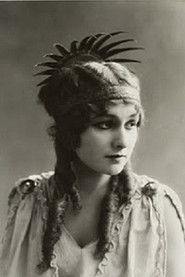
Lidia Quaranta
Actor
Born: March 21, 1891 in Turin, Italy Died: March 5, 1928 Active: 1912-1914
Films
2 films
About Lidia Quaranta
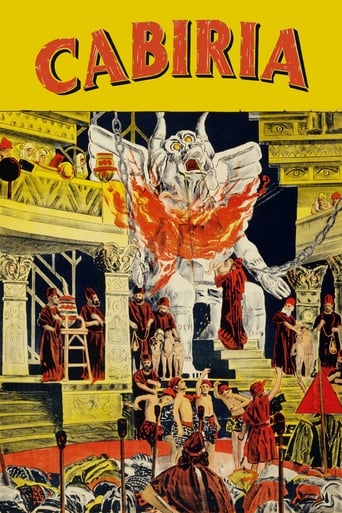
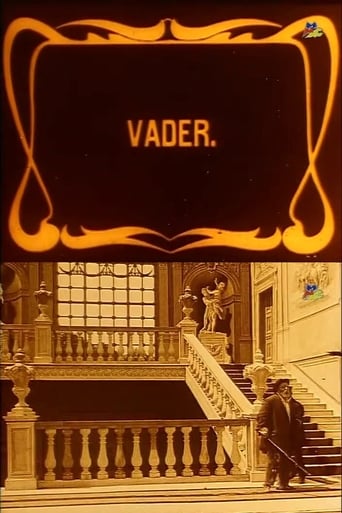
Italian actress of the silent film era who rose to prominence during the golden age of Italian cinema in the early 1910s. She began her film career in 1912 with the drama 'Padre,' quickly establishing herself as a compelling screen presence with remarkable emotional range for the period. Her breakthrough role came in 1914 when she was cast as the title character in Giovanni Pastrone's monumental epic 'Cabiria,' ambitious and influential films of early cinema. The role required her to portray a character from childhood through adulthood, showcasing her versatility and dramatic abilities in a production that spanned nearly three hours. 'Cabiria' became an international sensation, introducing innovative techniques like the moving camera and complex narrative structures that would influence filmmakers worldwide. Quaranta's performance as the innocent girl kidnapped by pirates who becomes a temple priestess captivated audiences and demonstrated the emotional power of silent cinema. Though her active period appears to have been brief, spanning roughly 1912-1914, her contribution to early Italian cinema through these landmark films secured her place in film history. Her work represents the transition from short-form cinema to feature-length narrative films, helping establish the foundation for the epic films that would follow.
The Craft
On Screen
Quaranta embodied the dramatic, expressive acting style characteristic of the silent era, using exaggerated gestures and facial expressions to convey complex emotions without dialogue. Her performances were marked by a theatrical intensity that translated well to the screen, particularly in epic productions requiring broad emotional ranges. In 'Cabiria,' she demonstrated remarkable versatility, transitioning convincingly from innocent child to conflicted adult, showcasing the physical and emotional demands of silent film performance. Her technique emphasized body language and eye contact as primary tools for character development, typical of actors trained in stage traditions who adapted their craft for the new medium of cinema.
Best Known For
Iconic Roles
Must-See Films
Accolades
Special Recognition
- Recognized as a figure in Italian cinema
- Honored in retrospectives of early Italian film
Working Relationships
Worked Often With
Studios
Why They Matter
Impact on Culture
Lidia Quaranta's performance in 'Cabiria' had a profound impact on the development of cinema as an art form and entertainment medium. The film itself was revolutionary, introducing techniques like the 'carro di Tespi' or moving camera platform, and Quaranta's central performance helped demonstrate the emotional power and narrative possibilities of feature-length films. 'Cabiria' influenced filmmakers worldwide, most notably D.W. Griffith, who incorporated elements from it into his masterpiece 'Intolerance' (1916). Quaranta's portrayal of the title character helped establish the template for the epic heroine in cinema, combining innocence, strength, and moral fortitude in a way that resonated with international audiences. The film's success helped legitimize cinema as a serious artistic medium capable of tackling complex historical and mythological subjects, with Quaranta's performance serving as a benchmark for dramatic acting in silent films.
Lasting Legacy
Lidia Quaranta's legacy endures primarily through her performance in 'Cabiria,' which remains. Film historians and scholars continue to analyze her work as representative of the dramatic acting style that characterized early Italian cinema, and her performance serves as a textbook example of silent film technique. 'Cabiria' has been preserved and restored by film archives, ensuring that Quaranta's contribution to cinema remains accessible to new generations of film enthusiasts and scholars. Her work represents a crucial moment in cinema history when the medium was transitioning from simple novelties to complex narrative art forms, and her performance helped establish the dramatic possibilities of film as a storytelling medium. While her name may not be as widely recognized as some of her contemporaries who had longer careers, her impact on the development of epic cinema and her role in.
Who They Inspired
Quaranta's performance style influenced subsequent generations of actors in epic films, particularly in how to convey complex character arcs without dialogue. Her work in 'Cabiria' helped establish conventions for portraying historical and mythological characters on screen that would be emulated in countless later productions. The emotional depth and physical expressiveness she brought to the title role demonstrated the dramatic potential of film acting, influencing how performers approached character development in silent cinema. Her success in an international hit helped pave the way for other Italian actors to gain recognition beyond their national borders, contributing to the globalization of cinema during its formative years.
Off Screen
Lidia Quaranta was born into a family in Turin during a period when the city was emerging as a center of Italian film production. She came of age during the birth of cinema, entering the film industry at a time when it was still considered a novelty rather than an art form. Her sister, Isabella Quaranta, also became an actress, suggesting the family had connections to or interest in the performing arts. Quaranta's life was cut tragically short when she died in 1928 at the age of 36, just as sound cinema was beginning to revolutionize the film industry. Despite her brief career and early death, she left an indelible mark on cinema through her work in.
Education
Limited information available about formal education; likely received training in theatrical arts or entered film through family connections in the burgeoning Italian film industry
Family
- Ernesto Maria Pasquali (1915-1928)
Did You Know?
- 'Cabiria' was one of the first feature-length films ever made, running nearly three hours
- The film's sets were so elaborate that they included a full-scale reconstruction of ancient Carthage
- Quaranta married film producer Ernesto Maria Pasquali in 1915, shortly after her film career ended
- Her sister Isabella Quaranta was also a successful silent film actress
- A scene from 'Cabiria' featuring Quaranta was one of the first films to use tracking camera movement
- The character of Cabiria became so popular that the name was used for various commercial products in Italy
- Quaranta was only 23 years old when she starred in 'Cabiria', yet had to portray the character from childhood through adulthood
- The film's success led to a wave of Italian historical epics in the 1910s
- Quaranta's performance was studied by early film theorists as an example of cinematic acting technique
- Despite the film's international success, Quaranta made very few films after 'Cabiria'
In Their Own Words
(Direct quotes from silent era actors are rare, as interviews were not commonly preserved from this period)
Frequently Asked Questions
Who was Lidia Quaranta?
Italian actress of the silent film era, best known for starring in the 1914 epic 'Cabiria.' Though her career was brief, spanning roughly 1912-1914, her performance in one of cinema's earliest feature films secured her place in film history as a figure in early Italian cinema.
What films is Lidia Quaranta best known for?
When was Lidia Quaranta born and when did she die?
Born March 21, 1891; died March 5, 1928.
What awards did Lidia Quaranta win?
Formal film awards were not established during Quaranta's active period in the early 1910s. However, she received posthumous recognition through film retrospectives and is honored as a figure in Italian cinema history. Her lasting legacy is the enduring importance of 'Cabiria' in film history.
What was Lidia Quaranta's acting style?
Quaranta embodied the dramatic, expressive style characteristic of silent era acting, using exaggerated gestures and facial expressions to convey emotions without dialogue. Her performance in 'Cabiria' demonstrated remarkable versatility, transitioning from child to adult character, showcasing the physical and emotional demands of early cinema performance.
How did 'Cabiria' influence other films?
'Cabiria' was revolutionary in its scale and technique, influencing filmmakers worldwide. Most notably, D.W. Griffith incorporated elements from it into 'Intolerance' (1916). The film's innovative camera movements, epic scope, and dramatic storytelling helped establish conventions for historical epics that would be followed for decades.
Why was Lidia Quaranta's career so short?
While the exact reasons are unclear, Quaranta's film career appears to have ended around 1914, shortly after 'Cabiria.' She married producer Ernesto Maria Pasquali in 1915, which may have influenced her decision to step away from acting. Her early death in 1928 also cut short any potential return to films.