Dante Testa
Actor
Born: August 25, 1881 in Turin, Italy Died: October 27, 1917 Active: 1912-1914
Films
2 films
About Dante Testa
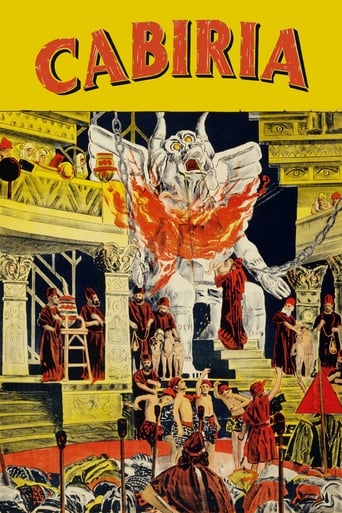
Italian silent film actor who emerged during the era of cinema in Italy. His career, though brief, coincided with the golden age of Italian silent epics, where he made significant contributions to the development of cinematic storytelling. Testa is best remembered for his powerful performance in Giovanni Pastrone's epic 'Cabiria' (1914), where he portrayed the character of Maciste, a role that would later become one of cinema's earliest recurring characters. His physical presence and commanding screen presence made him ideally suited for the grand, mythological productions that characterized Italian cinema of this period. Beyond 'Cabiria,' Testa also appeared in 'Padre' (1912), demonstrating his versatility in more intimate dramatic roles. His acting style embodied the theatrical traditions of the time, with exaggerated gestures and expressions that were necessary to convey emotion in silent cinema. Testa's work represents an important chapter in early film history, particularly in the development of the epic genre and the creation of enduring character archetypes.
The Craft
On Screen
Dante Testa's acting style was characteristic of the silent era's theatrical tradition, featuring bold physical movements and exaggerated facial expressions to convey emotion without dialogue. His powerful physique and commanding presence made him particularly effective in epic productions where grand gestures were essential. Testa employed a methodical approach to character development, using his imposing stature to create memorable screen personas that resonated with audiences of the time. His performance as Maciste established a template for strong, heroic characters that would influence cinema for decades.
Best Known For
Iconic Roles
Must-See Films
Working Relationships
Worked Often With
Studios
Why They Matter
Impact on Culture
Dante Testa's portrayal of Maciste in 'Cabiria' had a profound and lasting impact on cinema history, creating one of the first recurring character archetypes in film. The Maciste character would go on to appear in numerous films throughout the 20th century, becoming a symbol of strength and heroism in Italian cinema and beyond. Testa's performance helped establish the template for the strongman character that would influence countless films and actors, from the peplum genre of the 1950s and 1960s to modern superhero films. His work in 'Cabiria' also contributed to the development of cinematic techniques that would become standard in epic filmmaking, including elaborate set designs, complex narrative structures, and innovative camera movements.
Lasting Legacy
Dante Testa's legacy endures primarily through his creation of the Maciste character, which became one of cinema's earliest and most enduring heroic archetypes. Though his career was brief, his impact on the development of character-driven storytelling in silent epics cannot be overstated. The Maciste character he originated would be portrayed by numerous actors in over 50 films spanning several decades, making Testa the originator of one of cinema's most prolific character franchises. His work represents a crucial moment in the transition from theatrical performance to cinematic acting, demonstrating how physical presence and expressive movement could create compelling narratives without dialogue.
Who They Inspired
Testa's performance as Maciste directly influenced the development of the strongman genre in cinema, inspiring countless actors and filmmakers to explore similar character types. His portrayal established a template for heroic characters that emphasized physical strength, moral integrity, and protective instincts toward the vulnerable. The Maciste character's evolution from Testa's original interpretation to later versions demonstrates how early silent film performances could adapt and transform across different eras of cinema. His work also influenced the approach to physical acting in silent films, showing how powerful screen presence could compensate for the lack of dialogue and sound.
Off Screen
Dante Testa was born in Turin, Italy, during a period of rapid cultural and artistic transformation in the country. His life was cut tragically short when he died at the age of 36 in 1917, just three years after his most famous performance. The timing of his death meant that his promising career was interrupted before the transition to sound cinema, leaving his legacy primarily in the silent era. Details about his personal relationships and family life remain largely undocumented, as was common for many early film actors whose private lives were not extensively recorded.
Did You Know?
- Dante Testa originated the character of Maciste, which would become one of cinema's longest-running character franchises
- His performance in 'Cabiria' was so impactful that the Maciste character outlived him by decades, appearing in films through the 1960s
- The name 'Maciste' was reportedly suggested by poet Gabriele D'Annunzio
- Testa's Maciste character was one of the first strongman archetypes in cinema, predating characters like Hercules and Samson in film
- Despite his brief career, Testa appeared in what is now considered
- His death at age 36 meant he never witnessed the transition to sound cinema or the continued popularity of the character he created
- The character of Maciste was so popular that it spawned an entire subgenre of Italian cinema known as 'Maciste films'
- Testa's physical presence in 'Cabiria' helped establish the importance of imposing physiques in heroic cinema roles
Frequently Asked Questions
Who was Dante Testa?
Italian silent film with credits in this catalog. His career, though brief, coincided with the golden age of Italian silent cinema and his portrayal of Maciste established one of cinema's earliest recurring character archetypes.
When was Dante Testa born and when did he die?
Born August 25, 1881; died October 27, 1917.
What awards did Dante Testa win?
Dante Testa did not receive any formal awards during his lifetime, as the major film awards systems were not yet established during his active period in the early 1910s. His recognition comes primarily from his lasting influence on cinema history through his creation of the Maciste character.
What was Dante Testa's acting style?
Dante Testa's acting style was characteristic of the silent era's theatrical tradition, featuring bold physical movements and exaggerated facial expressions to convey emotion without dialogue. His powerful physique and commanding presence made him particularly effective in epic productions, establishing a template for heroic characters in cinema.