Febo Mari
Actor & Director
Born: January 16, 1884 in Livorno, Italy Died: June 12, 1939 Active: 1912-1917 Birth Name: Alfredo Manzotti
Films
7 films
About Febo Mari
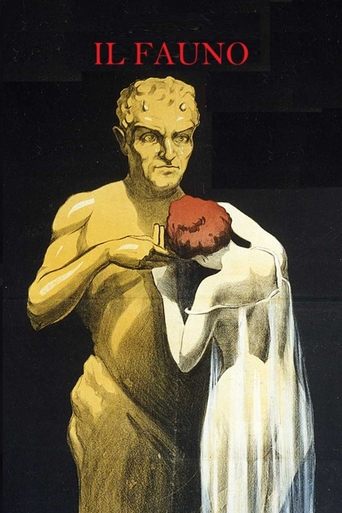
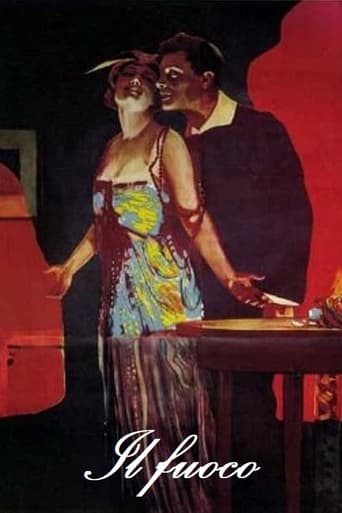
Febo Mari, born Alfredo Manzotti, was an Italian actor and director who made significant contributions to the silent film era during the early 20th century. He began his acting career in 1912 with notable performances in films like 'Padre' and 'La ribalta,' quickly establishing himself as a talented performer in the burgeoning Italian film industry. Mari transitioned to directing in the mid-1910s, with his most acclaimed work being 'Ashes' (1916), which he both directed and starred in, showcasing his versatility and artistic vision. His 1917 film 'The Faun' further demonstrated his sophisticated approach to visual storytelling and his ability to convey complex emotions through the silent medium. Despite his relatively brief career, which effectively ended around 1917, Mari's films were characterized by their atmospheric qualities and emotional depth, contributing to Italy's reputation for artistic cinema during this period. After leaving the film industry, he lived a more private life until his death in Rome in 1939, leaving behind a small but significant body of work that continues to be studied by film historians interested in the golden age of Italian silent cinema.
The Craft
On Screen
Febo Mari employed the dramatic, expressive acting style typical of the silent era, using exaggerated gestures and intense facial expressions to convey complex emotions without dialogue. His performances were characterized by a theatrical intensity that translated well to the screen, allowing him to portray deep emotional states and psychological complexity through physical expression alone. Mari had a particular talent for conveying inner turmoil and passion, which made his performances in dramatic roles particularly compelling to silent era audiences.
Behind the Camera
As a director, Febo Mari was known for his visual composition and ability to create atmospheric, emotionally resonant scenes. His films demonstrated a sophisticated understanding of visual storytelling, using lighting, framing, and mise-en-scène to enhance the emotional impact of his narratives. Mari's directing approach emphasized mood and atmosphere over plot mechanics, creating films that were visually striking and psychologically engaging. His work showed particular attention to visual symbolism and the use of natural settings to reinforce the emotional themes of his stories.
Milestones
- Acting debut in 'Padre' (1912)
- Starred in 'La ribalta' (1912)
- Directed and starred in 'Ashes' (1916)
- Appeared in 'The Royal Tigress' (1916)
- Directed and starred in 'The Faun' (1917)
Best Known For
Iconic Roles
Must-See Films
Working Relationships
Studios
Why They Matter
Impact on Culture
Febo Mari contributed significantly to the golden age of Italian silent cinema, helping establish Italy's reputation for artistic and dramatic filmmaking during this period. His dual role as both actor and director exemplified the versatility required in early cinema, when filmmakers often had to wear multiple hats to bring their visions to the screen. Mari's films, particularly 'Ashes' and 'The Faun,' demonstrated the sophisticated visual storytelling capabilities of Italian cinema and influenced the aesthetic direction of subsequent Italian filmmakers. His work represents an important bridge between the theatrical traditions of 19th-century Italy and the emerging language of cinema, helping to develop techniques for conveying emotion and narrative through visual means that would become foundational to film art.
Lasting Legacy
Febo Mari's legacy lies in his contributions to early Italian cinema during its formative years, though his relatively short career and limited international distribution have made him less known to general audiences than some of his contemporaries. Film historians and cinema scholars recognize his work as important examples of Italian silent film artistry, with 'Ashes' (1916) particularly noted for its atmospheric qualities and emotional depth. His films serve as valuable artifacts for understanding the development of cinematic language in Italy and the transition from theatrical to filmic modes of expression. While not as widely remembered as some of his peers, Mari's work continues to be studied by those interested in the history of Italian cinema and the evolution of film as an art form during the silent era.
Who They Inspired
Febo Mari influenced subsequent generations of Italian filmmakers through his sophisticated approach to visual storytelling and his ability to convey complex emotions through the cinematic medium. His technique of using atmospheric settings and visual symbolism to enhance emotional narratives became a hallmark of Italian cinema that would be developed further by directors in subsequent decades. The dual role he played as both actor and director set an example for the complete filmmaker approach that would later be embraced by Italian auteurs. While his direct influence is difficult to trace due to the limited survival and distribution of his films, his work represents an important step in the development of Italian cinematic aesthetics that would flourish in the following decades.
Off Screen
Febo Mari was born Alfredo Manzotti in the port city of Livorno, Italy, and adopted his stage name when he entered the film industry. After his brief but notable film career ended around 1917, he largely withdrew from public life and the entertainment industry. He spent his later years away from the spotlight, living in Rome until his death at the age of 55. Details about his personal relationships, family life, or reasons for leaving the film industry are not well documented in historical records, which adds to the mysterious nature of his relatively short but impactful career in early Italian cinema.
Education
Information about Febo Mari's formal education is not well documented in historical records, which was common for actors of the silent era who often came to the profession through various unconventional paths rather than formal training institutions.
Did You Know?
- His real name was Alfredo Manzotti
- He often starred in the films he directed
- His active years covered only 5 years (1912-1917)
- He was part of the Italian silent film golden age
- 'Ashes' (1916) is considered his most significant work
- He disappeared from the film industry after 1917
- His directing style was noted for its visual composition
- He was born in Livorno, a port city in Tuscany, Italy
- He died in Rome at the age of 55
- His films are now considered important artifacts of early Italian cinema
- He adopted the stage name 'Febo Mari' for his film career
- There is some confusion about his filmography, with some sources inaccurately attributing 'The Immigrant' (1915) to him
Frequently Asked Questions
Who was Febo Mari?
Febo Mari (1884-1939), born Alfredo Manzotti, was an Italian actor and director who worked during the silent film era from 1912 to 1917. He was known for both acting in and directing his own films, creating emotionally powerful works that contributed to Italy's golden age of silent cinema.
When was Febo Mari born and when did he die?
Born January 16, 1884; died June 12, 1939.
What awards did Febo Mari win?
There are no documented awards or honors that Febo Mari received during his career, which was common for film professionals of the silent era when formal award systems for cinema were not yet established in Italy or internationally.
What was Febo Mari's acting and directing style?
As an actor, Febo Mari employed the dramatic, expressive style typical of the silent era, using exaggerated gestures and intense facial expressions to convey emotions. As a director, he was known for visual composition and creating atmospheric, emotionally resonant scenes with sophisticated use of lighting, framing, and mise-en-scène.
Why did Febo Mari's career end so abruptly?
The exact reasons for Febo Mari's departure from the film industry around 1917 are not well documented in historical records. This was not uncommon for film professionals of the era, as the industry was still developing and many careers were brief due to various personal, professional, or economic factors.
What was Febo Mari's real name?
Febo Mari's birth name was Alfredo Manzotti. He adopted the stage name 'Febo Mari' when he began his career in the film industry, which was a common practice for actors and directors of the silent era.
How did Febo Mari contribute to Italian cinema?
Febo Mari contributed to Italian cinema by creating visually sophisticated and emotionally powerful films during the golden age of Italian silent cinema. His dual role as actor and director exemplified the versatility required in early filmmaking, and his works helped establish techniques for visual storytelling that would influence subsequent Italian filmmakers.