Stronger than Sherlock Holmes
"1913 film by Giovanni Pastrone"
Keys: Space play/pause · ←/→ 10s · F fullscreen · M mute · </> speed
About this film
His wife, bored by his comments, falls asleep and right after, with the help of the warmth of the living room, he falls asleep too. Then, the shadow of an escaping robber comes to life from the newspaper. Suddenly the dreamer wakes up wearing the cop uniform and starts chasing him. A bourgeois gentleman gets excited reading about cops and robbers on the newspaper.
Cast & crew
More films like this
More Comedy films
View all →







More from Giovanni Pastrone
View all →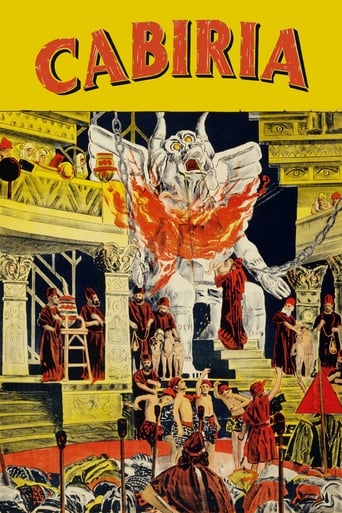
More about this film
About the production
Release date1913
ProductionItala Film
Filmed inTurin, Italy
This film was produced during the golden age of Italian cinema, when Turin served as a major production hub. Itala Film, under Giovanni Pastrone's leadership, was one of Italy's most innovative studios, pioneering techniques that would influence cinema worldwide. The film utilized early special effects to create the illusion of the robber's shadow coming to life from the newspaper, demonstrating the studio's technical capabilities. The production likely employed the studio's elaborate indoor sets, which were among the most sophisticated in Europe at the time.
Themes
Dreams vs. RealityThe Power of ImaginationDomestic BoredomHeroic FantasiesThe Nature of Storytelling
Themes & topics
Historical background
Stronger than Sherlock Holmes (1913) circulated in the silent era. His wife, bored by his comments, falls asleep and right after, with the help of the warmth of the living room, he falls asleep too. Contemporary trade papers and later preservation notes document its place among nickelodeon and cinema-club programs.
Why this film matters
Stronger than Sherlock Holmes remains accessible to researchers and viewers as a screen title in museum, archive, and streaming collections. Programmers cite it when tracing regional production history and surviving early prints.
Making of
The production of 'Stronger than Sherlock Holmes' took place at Itala Film's state-of-the-art studios in Turin, which were among the most advanced film facilities in Europe at the time. Giovanni Pastrone, as both director and studio head, brought his technical expertise to this comedy, employing innovative camera techniques and special effects to create the fantastical dream sequences. The newspaper coming to life effect was achieved through careful manipulation of shadows and lighting, a technique that required precise timing and coordination between the cinematographer and performers. The cast, led by Domenico Gambino and Emilio Vardannes, worked within the constraints of silent film acting, using exaggerated gestures and facial expressions to convey the comedic elements of the story. The production team likely created multiple versions of the film for international distribution, as was common practice for Italian films of this era, with different intertitles translated for various markets.
What critics said
Day-one reviews for Stronger than Sherlock Holmes are sparse in digitized press archives; later criticism treats it as a reference point for 1913 cinema programming and preservation.
Did you know?
- The film's Italian title was 'Più forte di Sherlock Holmes', reflecting the international popularity of Arthur Conan Doyle's detective character during this period.
- Giovanni Pastrone, also known by the pseudonym Piero Fosco, was among the pivotal figures in early Italian cinema, pioneering techniques like the moving camera.
- The film was released during the peak of Italian film production, when the country was second only to France in cinematic output.
- Itala Film, the production company, was famous for epic historical films like 'Cabiria' (1914), making this comedy a departure from their typical grand-scale productions.
- The film's dream sequence theme was relatively innovative for 1913, predating many famous surrealist films by decades.
- Sherlock Holmes was extremely popular in early cinema, with numerous adaptations and parodies produced across Europe and America.
- The film's short runtime was typical of the period, when most films were one-reel productions lasting 10-15 minutes.
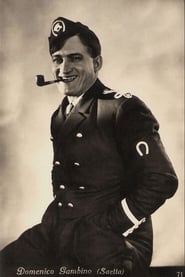
- Domenico Gambino, who played the gentleman, would later become a prominent figure in Italian cinema during the silent era.
Visual style
The cinematography of 'Stronger than Sherlock Holmes' employed the techniques and visual style typical of Italian cinema in 1913, while also incorporating innovative elements for the dream sequences. The film likely utilized the sophisticated lighting equipment available at Itala Film's studios to create the dramatic shadows necessary for the robber's shadow to come to life. Camera work would have been relatively static by modern standards, but may have included some movement typical of Pastrone's more ambitious productions. The visual contrast between the mundane domestic setting and the fantastical dream world would have been achieved through careful set design and lighting. The black and white photography of the era would have emphasized the play of light and shadow crucial to the film's central conceit.
Innovations
The film's most notable technical achievement was the special effect of the robber's shadow coming to life from the newspaper, which required careful manipulation of lighting, shadows, and possibly multiple exposure techniques. This demonstrated the growing sophistication of visual effects in early cinema. The seamless transition from reality to dream state represented an early exploration of psychological storytelling techniques in film. The production likely benefited from Itala Film's advanced studio facilities and equipment, which were among the best in Europe at the time. The film's editing, particularly in the chase sequences, would have employed the increasingly sophisticated techniques being developed in Italian cinema during this period.
Music
As a silent film, 'Stronger than Sherlock Holmes' would have been accompanied by live musical performance during its original theatrical screenings. The specific musical score is not documented, but typical accompaniment for Italian comedies of this era would have included popular classical pieces, operatic excerpts, and original compositions performed by a theater's house orchestra or pianist. The music would have been synchronized to enhance the comedic timing, dramatic moments, and particularly the fantastical dream sequences. The score likely varied between different theaters and showings, as was common practice before standardization of film music in the late 1920s.
Memorable scenes
- The magical sequence where the robber's shadow literally emerges from the newspaper pages, transforming the static print into a living, moving entity that initiates the dream narrative.
What audiences thought
Audiences in 1913 likely responded positively to the film's clever premise and comedic elements, particularly the fantastical dream sequence that demonstrated cinema's unique ability to bring impossible scenarios to life. The parody of the popular Sherlock Holmes character would have resonated with contemporary viewers familiar with detective stories through both literature and earlier film adaptations. The domestic setting and relatable characters probably made the film accessible to a broad audience, while the technical effects would have impressed viewers with the magical possibilities of the new medium of cinema. As part of Itala Film's diverse slate of productions, the film likely contributed to the studio's reputation for delivering entertaining and technically accomplished films to international audiences.
Film connections
Influenced by
- Sherlock Holmes stories by Arthur Conan Doyle
- Early French comedies
- Italian theatrical traditions
- Contemporary newspaper culture
This film influenced
- Later surrealist films with dream sequences
- Italian comedy films of the 1920s
- Early fantasy cinema
Film restoration
The preservation status of 'Stronger than Sherlock Holmes' is uncertain, as many films from this early period have been lost or exist only in fragmentary form. Some sources suggest that copies may exist in film archives, particularly in Italy, but the film is not widely available for viewing. The survival rate of Italian films from 1913 is estimated to be quite low, with many productions lost due to the nitrate film's instability and lack of systematic preservation efforts in the early 20th century.
Where to watch
- The film is not currently available on major streaming platforms or home video. Potential viewing opportunities might exist through film archives specializing in early cinema, particularly the Cineteca Nazionale in Italy or other European film archives that preserve early Italian films. Occasionally, the film may be shown at specialized film festivals or museum exhibitions dedicated to silent cinema.