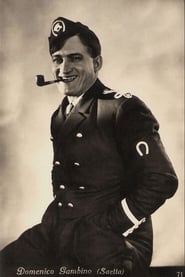
Domenico Gambino
Actor
Born: 1890 in Palermo, Sicily, Italy Died: 1968 Active: 1913-1915
Films
2 films
About Domenico Gambino
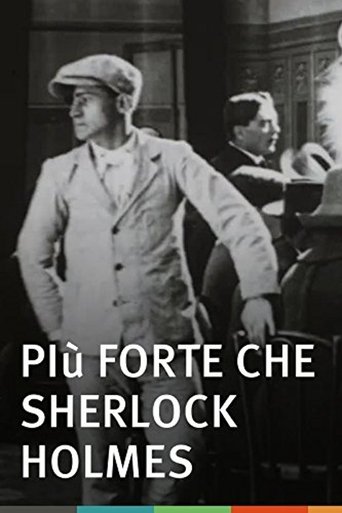
Italian actor who emerged during the years of cinema, working primarily in the silent film era of the 1910s. His brief but notable from 1913 to 1915, during which he appeared in early Italian productions that showcased the innovative storytelling techniques of the period. Gambino was part of the first generation of film actors who transitioned from stage performances to the new medium of motion pictures, adapting their theatrical skills for the camera. His work in films like 'Stronger than Sherlock Holmes' (1913) demonstrated the Italian film industry's fascination with detective stories and international literary adaptations. During his active years, Italian cinema was experiencing its golden age, producing elaborate historical epics and new cinematic techniques. Gambino's performances reflected the dramatic, expressive acting style typical of silent era actors, who relied heavily on facial expressions and body language to convey emotions. Though his film career was relatively short, he contributed to the early development of Italian cinema during its formative years.
The Craft
On Screen
Gambino employed the dramatic, exaggerated acting style typical of silent era performers, using broad gestures and expressive facial features to convey emotions and narrative points to audiences without dialogue. His performances reflected the theatrical traditions from which early film actors emerged, adapting stage techniques for the new medium of cinema.
Milestones
- Starred in 'Stronger than Sherlock Holmes' (1913)
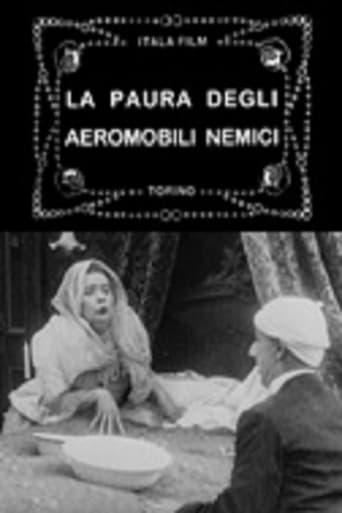
- Appeared in 'The Fear of Zeppelins' (1915)
- Participated in early Italian cinema's golden age
- Contributed to detective film genre development
Best Known For
Iconic Roles
Must-See Films
Working Relationships
Worked Often With
Studios
Why They Matter
Impact on Culture
Domenico Gambino contributed to the early development of Italian cinema during its golden age, a period when Italian films were internationally acclaimed for their technical innovation and artistic ambition. His work in detective-themed films helped establish genre conventions that would influence cinema globally. As part of the first generation of film actors, Gambino helped bridge the gap between theatrical traditions and cinematic performance techniques, contributing to the evolution of acting as it adapted to the new medium.
Lasting Legacy
Though his career was brief, Gambino represents the spirit of early cinema actors who helped establish the foundations of film performance. His work survives as part of the historical record of Italian cinema's influential role in early film history. The films he appeared in serve as important artifacts documenting the transition from stage to screen acting and the development of cinematic storytelling techniques.
Who They Inspired
As an early film actor, Gambino's influence lies in his contribution to establishing acting conventions for silent cinema that would be built upon by subsequent generations of performers. His work in genre films helped demonstrate the commercial and artistic possibilities of narrative cinema during its formative years.
Off Screen
Limited information is available about Domenico Gambino's personal life, as was common for many early film actors whose private details were not extensively documented. He was born in Palermo, Sicily, and was part of the early Italian film community during its creative peak in the 1910s. Like many actors of his generation, he likely transitioned from theatrical work to the burgeoning film industry.
Education
Limited formal education records available, likely trained in theatrical arts
Did You Know?
- Active during Italian cinema's golden age (1910s)
- Participated in early detective film genre
- Active years covered only 3 years but coincided with major cinematic innovations
- Italian film industry was second only to France in early 1910s
- Silent actors had to learn entirely new performance techniques
- Early Italian films were often elaborate and expensive productions
- Many early film actors came from theatrical backgrounds
- The 1910s saw rapid technological advances in filmmaking
Frequently Asked Questions
Who was Domenico Gambino?
Italian silent film with credits in this catalog. He was part of the first generation of actors who transitioned from theater to the new medium of cinema during Italian film's golden age.
What films is Domenico Gambino best known for?
Titles linked here include Stronger than Sherlock Holmes (1913), The Fear of Zeppelins (1915).
When was Domenico Gambino born and when did he die?
Born 1890; died 1968.
What awards did Domenico Gambino win?
There are no recorded awards or nominations for Domenico Gambino, which was common for many early film actors as formal award systems for cinema had not yet been established during his active years.
What was Domenico Gambino's acting style?
Gambino employed the dramatic, expressive acting style typical of silent era performers, using exaggerated gestures and facial expressions to convey emotions without dialogue. His approach reflected the theatrical traditions from which early film actors emerged.