
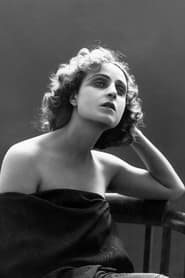
Pina Menichelli
Actor
Born: June 10, 1890 in Palermo, Italy Died: November 29, 1984 Active: 1914-1919 Birth Name: Giuseppa Iolanda Menichelli
Films
8 films

About Pina Menichelli
Pina Menichelli was distinctive Italian screen actresses of the silent era, celebrated for her glamorous presence, intense expressiveness, and modern, often enigmatic screen persona. Born in Sicily and raised in an era when Italian cinema was gaining international prestige, she emerged in the 1910s as a major star associated with sophisticated melodramas and ornate historical productions. Menichelli became especially famous for embodying the femme fatale or emotionally charged heroine in films that emphasized passion, decadence, and psychological tension, helping define the allure of early divismo in Italian cinema. Her performances in films such as Papà, Jenny, and La moglie di Claudio made her a key figure in the star system of the period, where image, costume, and emotional intensity were as important as plot. She worked mainly in the years before and during World War I, when Italian silent film was at its artistic peak, and she was admired for combining aristocratic poise with a strikingly contemporary sensuality. By the end of the 1910s her screen career had effectively concluded, but her reputation endured as one of the emblematic divas of silent Italian cinema. Film historians continue to regard her as a crucial figure in the development of female star imagery and performance style in European silent film.
The Craft
On Screen
Pina Menichelli was known for a highly expressive silent screen style that relied on controlled gestures, dramatic facial articulation, and a magnetic stillness that could suggest both vulnerability and power. She excelled in roles that demanded emotional ambiguity, often projecting allure, pride, and inner turmoil simultaneously. Her performances were closely associated with the diva tradition of Italian silent cinema, where costume, posture, and gaze were used to create an aura of sophistication and desire. Rather than broad melodramatic excess alone, she often conveyed psychological tension through refined, stylized movement and an almost sculptural on-screen presence.
Milestones
- Became one of the leading Italian divas of the silent era during the 1910s
- Achieved major fame in melodramatic and historical productions that showcased her glamorous screen persona
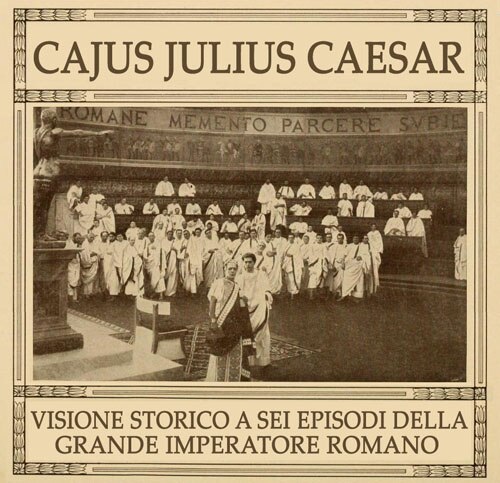
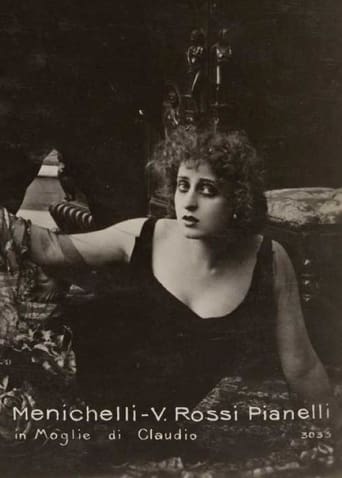
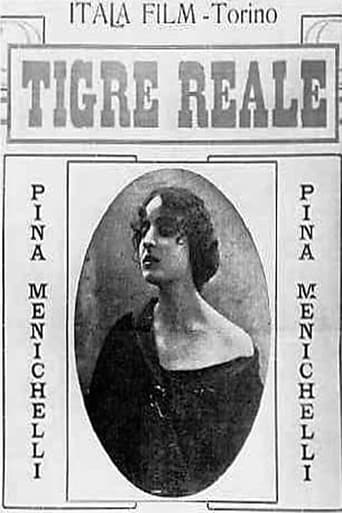
- Starred in Cajus Julius Caesar (1914), Papà (1915), Jenny (1915), The Royal Tigress (1916), and La Moglie di Claudio (1918)
- Helped define the Italian diva style of performance, balancing sensuality, emotional intensity, and aristocratic elegance
- Retired from film after a relatively brief but highly memorable screen career, leaving a strong historical legacy
Best Known For
Iconic Roles
Must-See Films
Working Relationships
Worked Often With
Studios
Why They Matter
Impact on Culture
Pina Menichelli was one of the defining faces of the Italian silent diva phenomenon, a star system that made female performers central to the international reputation of Italian cinema in the 1910s. Her image contributed to the era's fascination with the modern, dangerous, and emotionally self-possessed woman, a figure that would echo through later film traditions in Europe and Hollywood. She helped popularize a performance style in which costume, gesture, and aura were integral to narrative meaning, influencing the visual language of melodrama. Menichelli's films also reflect the sophistication of pre-war Italian cinema, when production design, aristocratic settings, and theatrical emotionality combined to create a uniquely glamorous screen culture. Her importance lies not only in the films themselves but in her role in shaping the very idea of the cinematic diva as a cultural icon.
Lasting Legacy
Menichelli's legacy rests on her status as one of the great stars of silent Italian cinema and as a prototype of the seductive, enigmatic diva. Though her career was relatively short, it coincided with a formative moment in European film history, and the roles she played became part of the iconography of the period. Modern film historians continue to study her work as an example of how silent-era performance could fuse theatricality with intimate psychological suggestion. Because many silent films survive only partially or not at all, her reputation is sustained through film scholarship, archival memory, and the enduring prestige of the Italian silent diva tradition. She remains a key reference point in discussions of early screen femininity, star image construction, and the aesthetics of melodrama.
Who They Inspired
Pina Menichelli influenced later conceptions of the cinematic femme fatale and the emotionally complex female star by demonstrating how silent acting could communicate allure and inner conflict without dialogue. Her screen persona anticipated later European and Hollywood divas who used controlled elegance and mystery as part of their appeal. She also contributed to the Italian model of star-making, in which the actress's image could become as culturally significant as the story being told. In broader film history, she stands as an early example of how performance style and star branding could shape audience expectations across national cinemas.
Off Screen
Pina Menichelli was born Giuseppa Iolanda Menichelli in Palermo and later became known professionally under her shortened stage name. Publicly documented details of her private life are comparatively limited, especially in relation to her film career, which was brief and occurred before the era of modern celebrity publicity. She is generally remembered more for her artistic persona than for an extensively recorded personal biography. Available historical sources do not consistently document marriages or children, and much of the surviving attention on her centers on her status as a silent-era diva rather than on domestic life.
Education
Specific formal education details are not well documented in surviving standard film histories. Like many performers of her era, she appears to have entered film through the theatrical and performance culture of early 20th-century Italy rather than through a clearly recorded academic or conservatory pathway.
Did You Know?
- She was born Giuseppa Iolanda Menichelli, but became famous under the abbreviated stage name Pina Menichelli.
- She is remembered as one of the major Italian silent-era divas of the 1910s.
- Her career was concentrated in a relatively short span, mainly from 1914 to 1919.
- She was especially associated with glamorous, emotionally intense melodramas and historical films.
- Her name appears frequently in discussions of the Italian diva phenomenon alongside other major silent-era stars.
- She is often cited by historians for her striking screen presence and refined yet sensual image.
- Because many silent films are lost or difficult to access, her surviving reputation depends heavily on film history scholarship and contemporary publicity materials.
- Her work helped cement the international prestige of Italian silent cinema during the pre-war and wartime years.
Frequently Asked Questions
Who was Pina Menichelli?
Major Italian silent film actress and one of the best-known divas of the 1910s. She became famous for her glamorous, emotionally charged performances in melodramas and historical films, helping define the star culture of early Italian cinema.
What films is Pina Menichelli best known for?
Titles linked here include Cajus Julius Caesar (1914), Papà (1915).
When was Pina Menichelli born and when did she die?
Born June 10, 1890; died November 29, 1984.
What awards did Pina Menichelli win?
There are no widely documented major film awards or nominations associated with Pina Menichelli from the silent era. Her importance rests primarily on her stature as a celebrated star and cultural icon rather than on formal awards recognition.
What was Pina Menichelli's acting style?
Her acting style was elegant, highly expressive, and closely tied to the Italian diva tradition. She used controlled gestures, powerful facial expression, and a commanding screen presence to convey passion, mystery, and emotional tension.
What is Pina Menichelli's legacy in film history?
Her legacy is that of one of the great icons of silent Italian cinema and an important model for the cinematic diva. Film historians value her as a key figure in the development of star imagery, melodramatic performance, and the portrayal of complex female characters on screen.