Jenny
"A romance story about Jenny and the men that love her."
Keys: Space play/pause · ←/→ 10s · F fullscreen · M mute · </> speed
About this film
A romance story about Jenny and the men that love her.
Cast & crew
More films like this

More Drama films
View all →







More from Nino Oxilia
View all →


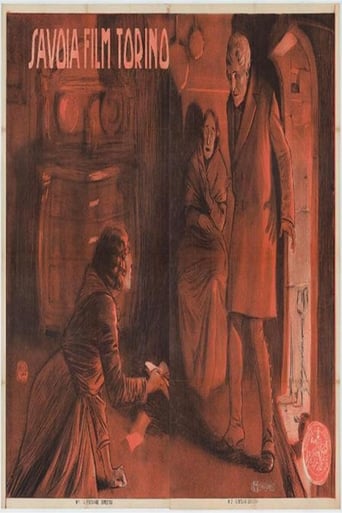

More about this film
About the production
Release dateNovember 1915
ProductionCines
Filmed inRome, Italy
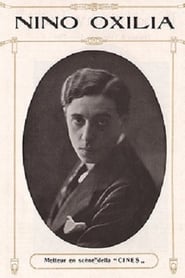
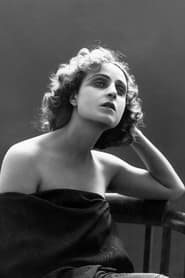
The film was produced by Cines, one of Italy's major film production companies of the silent era. Director Nino Oxilia was known for his poetic and lyrical approach to filmmaking, which he brought to this romantic drama. The production took place during World War I, which created some challenges for the Italian film industry but didn't stop the creation of significant artistic works. Pina Menichelli, the star, was at the height of her fame during this period and was one of the highest-paid actresses in European cinema.
Themes
Romantic love and its complicationsFemale agency and choiceSocial conventions and personal freedomSacrifice and dutyThe consequences of emotional decisions
Themes & topics
romancelove trianglediva filmmelodramafemale protagonistromantic conflictsocial dramaemotional turmoilchoice and consequencegender dynamics
Historical background
Made in 1915, in Italy, under Nino Oxilia, Jenny belongs to comedy film filmmaking amid the silent era's rapid stylistic experiments.
Why this film matters
Within comedy film history, Nino Oxilia's name attaches to the work; surviving prints help researchers study silent-era craft; 1915 film directed by Nino Oxilia.
Making of
The making of 'Jenny' took place during a transitional period in Italian cinema, as the industry moved from the historical epics that had dominated the early 1910s to more contemporary dramas. Director Nino Oxilia brought his literary background to the film, creating a work that emphasized psychological depth and emotional nuance. Pina Menichelli, who had become a star through her work in other diva films, was given complete creative control over her performance and wardrobe, as was common for major stars of the era. The production faced some challenges due to the ongoing World War I, including limited resources and the potential mobilization of cast and crew members. Despite these obstacles, the film was completed and released to audiences who were hungry for escapist entertainment during the difficult war years. The collaboration between Oxilia and Menichelli was particularly notable, as both artists shared a vision for creating a sophisticated, emotionally complex drama that would appeal to educated urban audiences.
What critics said
Contemporary reviews of Jenny are sparse in open sources; later catalog entries chiefly summarize plot and credits.
Did you know?
- Director Nino Oxilia was also a poet and playwright, which influenced his cinematic style with its emphasis on emotion and atmosphere.
- Pina Menichelli was known as the 'Divine' in Italian cinema and was one of the first true film stars, commanding enormous salaries and international recognition.
- The film was released during World War I, a period when Italian cinema was still producing artistic works despite the challenges of war.
- Nino Oxilia died young in 1917, making 'Jenny' one of his final completed works.
- The film represents the 'diva film' genre that was popular in Italian cinema, featuring strong female protagonists at the center of dramatic narratives.
- Cines, the production company, was one of the pioneering studios in early Italian cinema and helped establish Italy as a major film-producing nation in the 1910s.
- The film's visual style was influenced by the contemporary artistic movements in Italy, including Futurism and Symbolism.
- Silent films of this period often had live musical accompaniment that varied by theater, with some venues commissioning original scores.
- The film's themes of female agency and romantic choice were somewhat progressive for their time, reflecting changing social attitudes.
- Italian films of this era were known for their elaborate sets and costumes, even in contemporary dramas like 'Jenny'.
Visual style
The cinematography of 'Jenny' reflects the sophisticated visual style that characterized Italian cinema during its golden age. The film utilized advanced lighting techniques for its time, creating dramatic contrasts and atmospheric effects that enhanced the emotional impact of key scenes. Camera work was relatively static by modern standards, but included careful composition and framing that emphasized the psychological states of the characters. The visual style incorporated elements of contemporary artistic movements, particularly the influence of Symbolism in its use of visual metaphors and atmospheric effects. The film's cinematography also made effective use of close-ups, particularly in scenes featuring Pina Menichelli, allowing the actress to convey subtle emotional nuances that were crucial to the diva film genre. The overall visual approach was designed to create a dreamlike, romantic atmosphere that would immerse audiences in the emotional world of the story.
Innovations
While 'Jenny' does not represent a major technical breakthrough in cinema history, it demonstrates the sophistication of Italian film production during this period. The film made effective use of the technical innovations that had been developed in the preceding years, including more advanced lighting equipment that allowed for greater control over mood and atmosphere. The production likely used the latest cameras and film stock available in 1915, which would have provided better image quality than earlier films. The film's editing techniques, while following the conventions of the period, show the growing sophistication of narrative cinema in terms of pacing and continuity. The sets and costumes, while not spectacular in the manner of historical epics, demonstrate the high production values that characterized Italian cinema during its golden age. The film's technical proficiency in service of its artistic vision represents the maturation of cinema as both an art form and an industry.
Music
As a silent film, 'Jenny' would have been accompanied by live musical performance during its original theatrical run. The specific musical selections would have varied by theater, ranging from classical pieces to original compositions. Larger urban theaters with orchestras might have commissioned original scores, while smaller venues relied on piano accompaniment using cue sheets provided by the distributor. The music was designed to enhance the emotional impact of key scenes and provide continuity across the narrative. The romantic nature of the story would have called for lush, emotive musical selections that could amplify the drama of the romantic conflicts. Unfortunately, no specific information about the original musical accompaniment for 'Jenny' has survived, which is common for films of this period. Modern screenings of the film typically feature newly composed scores or carefully selected period-appropriate music.
Famous quotes
The heart knows its own reasons, which reason cannot understand.
To love is to choose, and to choose is to sacrifice something else.
In matters of the heart, there are no easy answers, only honest feelings.
Memorable scenes
- The emotional confrontation scene where Jenny must choose between her suitors, showcasing Pina Menichelli's renowned ability to convey complex emotions through subtle facial expressions and body language.
- The romantic climax set against a picturesque Italian landscape, utilizing natural lighting and composition to create a visually stunning and emotionally powerful moment.
- The final resolution scene, where Jenny faces the consequences of her choices, demonstrating the film's sophisticated approach to narrative closure and character development.
What audiences thought
Contemporary audiences responded enthusiastically to 'Jenny', particularly fans of Pina Menichelli who followed her career closely. The film's romantic themes and dramatic situations resonated with viewers who were seeking emotional engagement and escapist entertainment during the difficult war years. The diva film genre had a dedicated following, particularly among female audiences who identified with the strong female protagonists and their struggles for love and independence. The film's success contributed to Menichelli's status as especially popular and highest-paid actresses in European cinema. Modern audiences, when able to view the film through screenings at film archives or festivals, often appreciate its historical significance and artistic qualities, though some of the dramatic conventions may seem dated to contemporary viewers. The film remains of interest to cinema enthusiasts and scholars who study the development of early film and the representation of women in cinema.
Film connections
Influenced by
- Contemporary Italian literature and drama
- Symbolist art movement
- Earlier diva films from Italian cinema
- Theatrical melodrama traditions
- Romantic literature of the 19th century
- Social realist tendencies in European art
This film influenced
- Later Italian diva films
- European melodramas of the 1920s
- Films featuring strong female protagonists
- Romantic dramas in silent cinema
- Works that explored female agency in cinema
Film restoration
The preservation status of 'Jenny' (1915) is unclear, which is unfortunately common for films of this period. Many Italian films from the 1910s have been lost due to the volatile nature of early nitrate film stock and the destruction of archives during World War II. However, some copies of significant films featuring major stars like Pina Menichelli have survived in various film archives around the world. The film may exist in whole or in part in archives such as the Cineteca Nazionale in Rome, the Cineteca del Friuli, or other international film preservation institutions. Restoration efforts for early Italian films have been ongoing in recent decades, so it's possible that surviving elements of 'Jenny' have been or will be preserved and restored for future generations.
Where to watch
- Film archives and cinematheques that specialize in early cinema
- Silent film festivals and retrospectives
- Academic institutions with film studies programs
- Specialized streaming services dedicated to classic and silent cinema (if available)
- Museum screenings of early cinema