Films
3 films

About Giuseppe Piemontesi
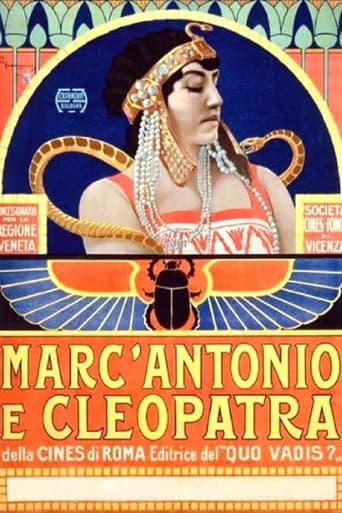
Italian actor who worked during the era of silent cinema, primarily active between 1913 and 1915. He emerged during a golden period for Italian film when the country was one of the world's leading producers of motion pictures, particularly known for elaborate historical epics and dramas. Piemontesi appeared in several notable productions of the time, including the 1913 historical epic 'Marc Antony and Cleopatra,' which was typical of the grand-scale Italian productions of that era. His career, though brief, coincided with the height of Italian silent cinema's international influence, before the industry was severely impacted by World War I. He worked in at least two films in 1915, 'Papà' and 'Jenny,' demonstrating his continued activity during the war years. Like many actors of this early period, his career was likely cut short by the dramatic changes in the European film industry during and after World War I. His filmography, while limited, represents the type of character-driven dramas that were popular in Italian cinema before the war.
The Craft
On Screen
As a silent era actor, Piemontesi would have employed the exaggerated gestures and facial expressions characteristic of early cinema, where actors needed to convey emotion without dialogue. His performances likely reflected the dramatic, theatrical style common in Italian films of the period, which often drew from classical acting traditions.
Milestones
- Appeared in 'Marc Antony and Cleopatra' (1913) during the peak of Italian epic film production
- Starred in 'Papà' (1915), demonstrating his continued work during wartime
- Featured in 'Jenny' (1915), showing versatility in dramatic roles
- Participated in Italian cinema's golden age of silent film
Best Known For
Iconic Roles
Must-See Films
Working Relationships
Studios
Why They Matter
Impact on Culture
Giuseppe Piemontesi represents the generation of actors who helped establish cinema as an art form during its earliest decades. His participation in Italian historical epics like 'Marc Antony and Cleopatra' places him within a movement that established many cinematic storytelling techniques still used today. Italian cinema of this period was globally influential, and actors like Piemontesi contributed to establishing the dramatic conventions of silent film performance that would influence cinema worldwide. Though his individual impact may be difficult to trace due to limited documentation, his work represents the foundation upon which later Italian cinema would build.
Lasting Legacy
The legacy of Giuseppe Piemontesi lies primarily in his contribution to the early Italian silent film era, a period that established many of the storytelling and visual techniques that would become standard in cinema. His appearances in films from 1913-1915 place him among the pioneers of film acting, helping to develop the language of cinematic performance before dialogue was possible. While specific details about his career may be lost to history, his filmography shows the rich artistic culture of early 20th century Italian cinema.
Who They Inspired
As an early silent film actor, Piemontesi's influence would have been primarily on the development of acting techniques for the new medium of cinema. The dramatic style employed by Italian actors of this period influenced international cinema, particularly in the United States where Italian films were widely distributed before World War I. His work in historical epics contributed to establishing the grand scale and dramatic intensity that would characterize many later cinematic productions.
Off Screen
Very little is documented about Giuseppe Piemontesi's personal life, which is common for actors from this early period of cinema. Like many early film performers, he may have come from a theatrical background, as was typical for actors transitioning to the new medium of motion pictures. The brief span of his known film career (1913-1915) suggests he may have been young during his acting years, possibly in his twenties or thirties.
Did You Know?
- Worked during what is considered the golden age of Italian silent cinema (1910s)
- Appeared in 'Marc Antony and Cleopatra' (1913), which was part of a popular genre of historical epics in early Italian cinema
- His film active years covered only three years (1913-1915), which was typical for many early cinema actors
- Italian cinema of this period was among the most innovative and influential in the world
- The films he appeared in were produced during a time when Italy was one of the world's leading film producers
- His career coincided with the outbreak of World War I, which dramatically affected European film production
- Like many early film actors, he likely transitioned from stage to the new medium of cinema
Frequently Asked Questions
Who was Giuseppe Piemontesi?
Italian with credits in this catalog. He appeared in several notable Italian films including 'Marc Antony and Cleopatra' (1913), 'Papà' (1915), and 'Jenny' (1915), representing the early generation of film actors who helped establish cinema as an art form.
What films is Giuseppe Piemontesi best known for?
Titles linked here include Marc Antony and Cleopatra (1913), Papà (1915).
When was Giuseppe Piemontesi born and when did he die?
Unfortunately, specific birth and death dates for Giuseppe Piemontesi are not documented in historical records, which is common for many early cinema figures. We know he was active as an actor between 1913 and 1915, and he was Italian by nationality, but precise biographical details have been lost to history.
What awards did Giuseppe Piemontesi win?
There are no recorded awards or honors for Giuseppe Piemontesi, which is typical for actors from this very early period of cinema. The major film awards and recognition systems we know today were not established during his brief career in the 1910s.
What was Giuseppe Piemontesi's acting style?
As a silent era actor, Piemontesi would have employed the dramatic, exaggerated acting style characteristic of early cinema. This involved using broad gestures and expressive facial features to convey emotions without dialogue, drawing from theatrical traditions adapted for the new medium of film.