1916 · null

Also available on: YouTube Archive.org
The Fire

The Fire

1916 null Italy

"null"

destructive desireartistic obsessionfemale power and manipulationdecadencepsychological ruin

Plot

Set in a stylized, highly emotional artistic milieu, The Fire centers on a gifted painter whose life is destabilized when he becomes enthralled by a mysterious, predatory woman often described as a vamp. She enters his world less out of love than out of a cruel desire to dominate, manipulate, and destroy, turning his creative passion into emotional ruin. As her influence deepens, the painter’s artistic energy and personal dignity begin to collapse, and those around him are drawn into the same destructive orbit. The film builds toward the tragic consequences of obsession, vanity, and psychological seduction, using the relationship between artist and femme fatale to dramatize the consuming, destructive power of desire.

About the Production

Release Date 1916
Budget null
Box Office null
Production Itala Film
Filmed In Turin, Piedmont, Italy

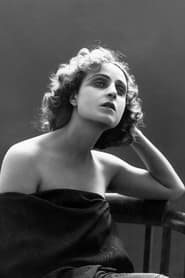
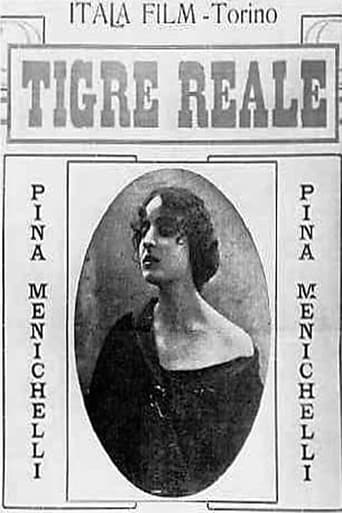
The Fire was mounted as a prestige Italian silent melodrama at a time when Italian cinema was seeking to preserve its international artistic stature. It is based on Gabriele D'Annunzio’s prose work The Flame, and it reflects the period’s fascination with decadent aesthetics, symbolic imagery, and emotionally heightened performance styles. Giovanni Pastrone, already famous for his epic filmmaking, approached the material with a strong emphasis on pictorial composition and visual atmosphere rather than realism. The film is also notable for Pina Menichelli’s iconic star turn as a seductive, destructive woman, a role that helped define her persona as one of early cinema’s great divas.

Historical Background

The Fire was made in 1916, in the middle of World War I, when Italy was under enormous social, political, and economic strain. At the same time, Italian cinema was transitioning from its prewar peak of international influence, and productions like this one helped maintain the prestige associated with the nation’s silent-era screen culture. The film belongs to the diva-film cycle, a genre that expressed modern anxieties about sexuality, independence, and the destabilizing power of the new urban woman. Its emphasis on decadence, artistic suffering, and emotional destruction also reflects the lingering influence of Symbolism and fin-de-siècle literary culture on early 20th-century European art.

Why This Film Matters

The Fire is significant as a representative example of the Italian diva film and as a key collaboration between a major silent-era director and the powerful persona of Pina Menichelli. It helped crystallize the image of the cinematic vamp in European film culture, contributing to the broader international vocabulary of femme fatale characterization. The film also demonstrates how Italian cinema adapted high literary sources into visually expressive screen melodramas, reinforcing the idea that silent film could be both popular entertainment and elite art. For historians, it remains an important artifact of the way gender, desire, and artistic identity were dramatized in early twentieth-century screen culture.

Making Of

The Fire was produced during a period when Italian silent cinema was still celebrated for literary adaptation, visual refinement, and star-centered melodrama, and Pastrone’s involvement gave the project immediate prestige. The production drew on the cultural authority of D'Annunzio while translating his decadent, poetic sensibility into a cinematic idiom built on gesture, lighting, and ornate visual framing. Pina Menichelli’s casting was crucial: her expressive, controlled, and often severe screen presence was ideal for a role designed to embody temptation, cruelty, and aristocratic allure. Although detailed production records are limited, the film is understood as part of the broader Itala Film effort to sustain Italy’s international reputation for artistically ambitious cinema in the years around World War I.

Visual Style

The cinematography is associated with the richly composed, theatrical visual style typical of ambitious Italian silent productions of the period. Pastrone’s work is usually noted for careful framing, expressive use of sets and interior spaces, and an emphasis on mood and pictorial composition rather than dynamic cutting alone. In a film centered on obsession and psychological collapse, visual contrast and pose are especially important, with Menichelli’s presence dominating the frame whenever she appears. The overall style likely emphasizes elegance, stillness, and symbolic arrangement, consistent with the film’s literary and decadent origins.

Innovations

The film’s notable achievement lies less in overt technical innovation than in the refinement of silent-era visual storytelling for an intensely psychological melodrama. Pastrone’s direction helped translate literary decadence into cinema through composition, gesture, and atmosphere. The film is also important for advancing the diva-film model, where performance, costume, and staging work together to create a powerful star image. Its achievement is therefore aesthetic and cultural: it shows how Italian silent cinema could render emotional excess and symbolic meaning with considerable sophistication.

Music

As a silent film, The Fire was originally presented with live musical accompaniment, but no single original composed score is universally documented in surviving public sources. Like many productions of the era, it would have relied on theater musicians, cue sheets, or locally assembled accompaniment tailored to the film’s dramatic rhythms. Modern screenings, when available, may use reconstructed or newly commissioned scores depending on the archive or presentation venue. Precise original music information is not generally available.

Famous Quotes

null

Memorable Scenes

  • The most memorable passages are those in which the vamp-like heroine exerts her cruel psychological control over the painter, turning intimacy into domination and emotional collapse into spectacle.
  • A striking recurring image is the contrast between the heroine’s poised, almost sculptural presence and the painter’s visible deterioration, a visual shorthand for the destructive nature of the relationship.

Did You Know?

  • The Fire is one of the best-known diva films of the Italian silent era and is closely associated with Pina Menichelli’s screen image as a modern, dangerous femme fatale.
  • The film was adapted from Gabriele D'Annunzio’s The Flame, linking it to one of the most influential literary and theatrical figures in early 20th-century Italy.
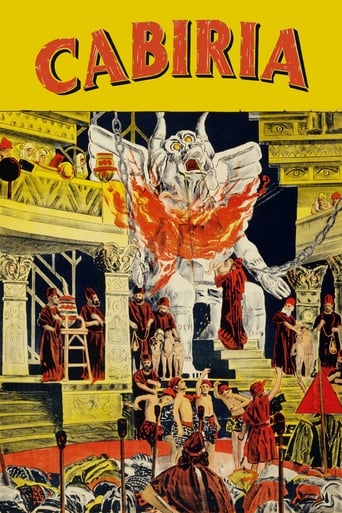
  • Giovanni Pastrone, the director of Cabiria, brought a sense of spectacle and visual sophistication to a much more intimate psychological drama.
  • The film is often discussed as a key example of the Italian diva-film tradition, in which intense female stars dominated emotionally charged melodramas.
  • Pina Menichelli’s performance helped popularize the figure of the imperious, manipulative vamp in European silent cinema.
  • The surviving reputation of the film rests heavily on its star image, stylized mise-en-scène, and symbolic treatment of passion and ruin rather than on dialogue or intertitles.
  • The title has sometimes caused confusion with other films called The Fire, but this 1916 Italian production is the one directed by Giovanni Pastrone.
  • The film reflects the influence of fin-de-siècle decadence and Symbolist aesthetics, both of which were important to Italian high culture before and during World War I.
  • Itala Film was one of the major Italian production companies of the era and had been central to Turin’s status as a hub of ambitious silent filmmaking.
  • The movie’s notoriety has endured in film history largely because of its association with the diva phenomenon and with D'Annunzio-inspired screen art.

What Critics Said

Contemporary critical reception is not comprehensively documented in easily accessible form, but the film was associated with the prestige of Pastrone, D'Annunzio, and Menichelli, suggesting it was positioned as an art-film melodrama rather than a routine commercial release. Later critics and film historians have tended to value it as a major diva film and as evidence of the sophistication of Italian silent cinema before Hollywood dominance became overwhelming. Modern assessments often focus on Menichelli’s performance style, the film’s decadent tone, and its place in the development of the femme fatale archetype. It is generally regarded today as historically important even when surviving prints and documentation are fragmentary.

What Audiences Thought

Specific audience records are limited, but the film would have appealed strongly to viewers drawn to star vehicles, literary adaptations, and emotionally extravagant melodrama. Pina Menichelli was one of the great screen sensations of her day, so much of the audience response likely centered on fascination with her provocative persona and the film’s depiction of destructive passion. As with many diva films, the appeal was partly transgressive: spectators were invited to admire a woman whose beauty and power were tied to manipulation and moral danger. The film’s lasting reputation suggests that it made a strong impression on contemporary spectators and remained memorable within the culture of silent-era Italian stardom.

Film Connections

Influenced By

  • Gabriele D'Annunzio's The Flame
  • fin-de-siècle Symbolist literature
  • Italian diva melodramas
  • the theatrical and literary culture of decadence

This Film Influenced

  • Later diva films in Italian silent cinema
  • early femme fatale melodramas in European cinema
  • the broader silent-era vamp tradition

Film Restoration

The film is not generally treated as a fully lost title, but surviving materials are limited and the film is primarily known through archival references and historical scholarship. Its preservation status may vary by archive and surviving print elements, and it should be regarded as a rare silent-era Italian title rather than a widely available complete film. If accessible today, it is most likely through specialized archive holdings, retrospective screenings, or restoration-oriented programs.

Themes & Topics