Films
2 films
About Serafino Vite
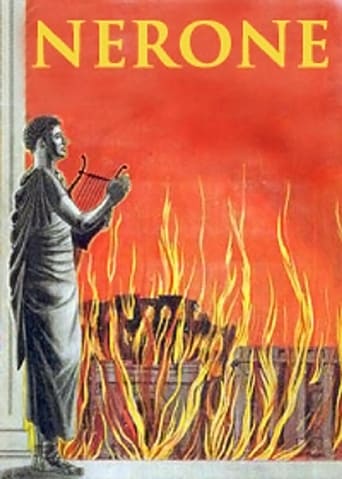
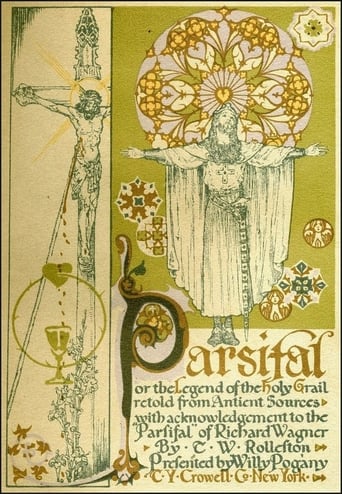
Early Italian silent film actor who worked during the years of cinema, appearing in a small but notable body of work between 1909 and 1912. His career coincided with the birth of narrative cinema in Italy, when the country was emerging as one of the world's leading film production centers. Vite appeared in 'Nero, or The Fall of Rome' (1909), one of the earliest Italian historical epics that helped establish the country's reputation for grand scale productions. His role in 'Parsifal' (1912) further demonstrated his involvement in the artistic and literary adaptations that characterized early Italian cinema. Like many actors of this period, Vite's career was likely brief, as the film industry was still developing and many performers did not achieve lasting fame. His work represents the contributions of countless forgotten actors who helped establish the foundations of cinema during its formative years.
The Craft
Milestones
- Appeared in 'Nero, or The Fall of Rome' (1909), one of early Italian cinema's historical epics
- Starred in 'Parsifal' (1912), an adaptation of Wagner's opera
- Participated during the golden age of early Italian silent cinema
Best Known For
Iconic Roles
Must-See Films
Why They Matter
Impact on Culture
Serafino Vite represents the countless actors who contributed to the development of cinema during its earliest years but whose names have largely been lost to history. His participation in early Italian historical epics and literary adaptations places him within the context of Italy's significant contributions to early narrative cinema. The films he appeared in, particularly 'Nero, or The Fall of Rome,' were part of the wave of Italian productions that established many cinematic conventions and demonstrated the medium's potential for grand storytelling. While individual actors like Vite may be forgotten, their collective work helped establish the acting techniques and film language that would influence generations of performers to come.
Lasting Legacy
Serafino Vite's legacy is primarily that of a representative figure from the dawn of Italian cinema, illustrating how many early actors contributed to the art form's development without achieving lasting fame. His surviving film work provides valuable documentation of early cinematic performance styles and the types of productions being created in Italy during this period. The films he appeared in are historically significant artifacts that help film historians understand the evolution of cinema, even when the individual performers remain obscure figures.
Who They Inspired
As an actor from such an early period, Serafino Vite's direct influence on subsequent performers is difficult to trace, but he was part of the generation that established basic film acting techniques. The silent era performances he contributed to helped establish the visual language of cinema that would influence all subsequent film acting, particularly in the Italian film tradition that would later produce internationally renowned performers.
Off Screen
Very little is known about the personal life of Serafino Vite, which was common for many early film actors whose biographical details were not systematically recorded or preserved.
Did You Know?
- Appeared in films during the very early years of Italian cinema (1909-1912)
- Participated in the historical epic genre that made Italian cinema internationally famous in the 1910s
- His film 'Nero, or The Fall of Rome' (1909) was among the earliest Italian historical epics
- Like many early film actors, his biographical details have been largely lost to history
- His active years covered only about three years, typical for many early cinema performers
- The films he appeared in represent the transition from short actualities to narrative feature films
Frequently Asked Questions
Who was Serafino Vite?
Italian silent film with credits in this catalog. He is known for his roles in 'Nero, or The Fall of Rome' (1909) and 'Parsifal' (1912), representing the many actors who contributed to early Italian cinema's development.
What films is Serafino Vite best known for?
Titles linked here include Nero, or The Fall of Rome (1909), Parsifal (1912).
When was Serafino Vite born and when did he die?
Unfortunately, the birth and death dates of Serafino Vite are not known, which is common for many early film actors whose biographical information was not systematically preserved. His active active years covered from 1909 to 1912.
What awards did Serafino Vite win?
Serafino Vite did not receive any recorded awards or nominations, which was typical for actors during this very early period of cinema when formal award systems had not yet been established.
What was Serafino Vite's acting style?
Specific details about Serafino Vite's acting style are not documented, but as a silent film actor from 1909-1912, he would have used the exaggerated gestures and facial expressions typical of early cinema, designed to convey emotion and story without dialogue.