
Parsifal
"A fantasy film about the knight Parsifal."
Keys: Space play/pause · ←/→ 10s · F fullscreen · M mute · </> speed
About this film
A fantasy film about the knight Parsifal, who has to protect the Holy Grail from wizards.
Cast & crew
More films like this

More Adventure films
View all →

More from Mario Caserini
View all →
More about this film
About the production
Release date1912
ProductionMilano Film
Filmed inItaly (likely Turin or Milan studios)
This was one of the earliest cinematic adaptations of the Parsifal legend, predating many other Arthurian films. The production utilized elaborate sets and costumes typical of Italian historical epics of the period. Special effects for the magical elements were achieved through in-camera techniques and early optical printing methods.
Themes
Spiritual quest and redemptionThe conflict between good and evilPurity and innocenceThe power of faithTemptation and resistance
Themes & topics
Holy Grailknightwizardmagicquestmedievalfantasygood versus eviltemptationredemptionspiritual journeyArthurian legend
Historical background
Exhibitors around 1912 slotted Parsifal into mixed bills where shorts, newsreels, and features shared the same program.
Why this film matters
Archivists revisit Parsifal (1912) for performance styles and craft choices later mainstream releases refined.
Making of
The production of Parsifal took place during a remarkable period in Italian cinema history, when the country was producing some of the world's most ambitious and expensive films. Director Mario Caserini, already established as a major figure in Italian cinema, brought his experience with historical epics to this fantasy production. The filming required extensive set construction to create the mystical realms of the Grail castle and Klingsor's magical domain. Special effects techniques of the time, including multiple exposures and substitution splices, were employed to create the supernatural elements. The cast, led by Dario Silvestri as Parsifal, underwent extensive preparation for their roles, with particular attention to the physical demands of the sword-fighting sequences. The production faced the typical challenges of early cinema, including the need for natural lighting and the limitations of primitive camera equipment, yet managed to create a visually impressive work that showcased Italian cinema's technical capabilities.
What critics said
Audience data from 1912 is sparse; reception for Parsifal is inferred from reissue and archival interest.
Did you know?
- Director Mario Caserini was one of Italy's most prolific early filmmakers, directing over 100 films between 1906 and 1916
- was part of Italy's golden age of cinema, when Italian productions dominated international markets
- The story draws from both medieval Arthurian legends and Richard Wagner's opera 'Parsifal' (1882)
- Italian cinema of this period was known for its spectacular historical and mythological epics, with Parsifal fitting this tradition
- The film's release coincided with the peak of Italian film exports before World War I disrupted the industry
- Early Italian films often featured elaborate sets and costumes, with Parsifal being no exception in its depiction of medieval fantasy
- The character of Parsifal was particularly popular in early 20th century European culture
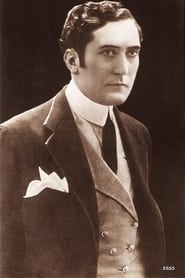
- Silvestri, who played Parsifal, was a prominent actor in Italian cinema's early years
- The film's fantasy elements were innovative for their time, requiring creative solutions for depicting magic on screen
- Like many films of this era, it was likely tinted by hand for certain scenes to enhance the magical atmosphere
Visual style
The cinematography of Parsifal, while typical of its era, employed several innovative techniques for depicting the fantasy elements. The film utilized static camera positions common in early cinema, but with careful composition to frame the elaborate sets and large group scenes. Lighting was primarily natural, with the use of reflectors to enhance key dramatic moments. The magical sequences likely employed multiple exposure techniques and substitution splices to create supernatural effects. The film was probably hand-tinted in certain scenes to enhance the mystical atmosphere, a common practice for important Italian productions of this period. The cinematographer would have faced challenges in balancing the need for sufficient light with the dramatic requirements of the scenes, particularly for the night and interior sequences. The visual style emphasized the grandeur of the medieval setting through wide shots that showcased the impressive set designs and costumes.
Innovations
Parsifal demonstrated several technical achievements notable for its 1912 production date. The film's special effects for magical sequences, while primitive by modern standards, were innovative for their time, employing techniques such as multiple exposure and substitution splicing to create supernatural phenomena. The production utilized elaborate set construction techniques to create the various fantastical locations, including the Grail castle and magical realms. The film's length, approximately 70-80 minutes, was substantial for the period, representing the trend toward longer feature films that was emerging in international cinema. The costume design and armor fabrication required significant craftsmanship to create convincing medieval knightly appearance. The film also likely employed early color tinting techniques to enhance the magical atmosphere, a practice reserved for more prestigious productions. These technical elements combined to create a visually impressive work that showcased the growing capabilities of the film medium during this formative period.
Music
As a silent film, Parsifal would have been accompanied by live musical performance during its original theatrical runs. The typical practice for important Italian productions of this era involved either a full orchestra for premiere screenings or at minimum a pianist or organist for regular showings. The musical score would likely have drawn from classical sources, possibly including selections from Wagner's 'Parsifal' opera, given the cultural familiarity of this music. The accompaniment would have been carefully synchronized with the on-screen action, with different musical themes for the main characters and dramatic motifs for the magical elements. The music would have been particularly important for establishing the emotional tone of key scenes, especially during the spiritual and mystical sequences. Unfortunately, no specific information about the original musical arrangements or scores used for has survived in the historical record.
Famous quotes
No dialogue survives from this silent film - intertitles would have contained the story's key lines
Memorable scenes
- The first appearance of the Holy Grail, likely depicted through special effects and lighting
- Parsifal's temptation by the enchantress Kundry in Klingsor's magical garden
- The final battle between Parsifal and the wizards for control of the Grail
- The healing of Amfortas through Parsifal's compassion and purity
- The knight's vision of the Grail castle and his acceptance of the quest
What audiences thought
Audiences in 1912 responded positively to Parsifal, particularly drawn to its spectacular visual elements and the familiar appeal of the Arthurian legend. The film's blend of adventure, fantasy, and spiritual quest themes resonated with early cinema audiences who were hungry for ambitious narrative features. Italian audiences, in particular, took pride in their country's ability to produce such elaborate and technically impressive films. The international success of Italian epics during this period suggests that Parsifal likely found appreciative audiences beyond Italy as well. The film's themes of purity, redemption, and the triumph of good over evil aligned well with the moral sensibilities of early 20th century audiences. While specific box office figures are unavailable, the film's production by the successful Milano Film company and the continued popularity of its themes suggest it was at least moderately successful with contemporary audiences.
Film connections
Influenced by
- Richard Wagner's opera 'Parsifal' (1882)
- Medieval Arthurian legends and romances
- Chrétien de Troyes' 'Perceval, the Story of the Grail'
- Wolfram von Eschenbach's 'Parzival'
- German Romantic literature
- Italian epic film tradition
This film influenced
- Subsequent film adaptations of Arthurian legends
- Italian fantasy films of the silent era
- Later Parsifal film adaptations
- Early sword and sorcery films
Film restoration
The preservation status of this 1912 film is uncertain - like many films from this era, it may be partially or completely lost. Some sources suggest fragments or incomplete prints may exist in European film archives, but a complete version has not been widely available for decades. The film's survival would depend on whether it was preserved in national archives or private collections. Given its Italian origin and the historical importance of early Italian cinema, restoration efforts may have been undertaken if sufficient material exists. However, the fragility of early film stock and the disruptions of two world wars have resulted in the loss of the majority of films from this period.
Where to watch
- Currently not available on major streaming platforms
- May be accessible through specialized film archives or museums
- Possibly available in curated collections of early cinema
- Film institutes or cinema history organizations may hold screenings
- Academic institutions with film studies programs might have access