Films
3 films
About Antonio Grisanti
Italian actor who worked during the years of cinema, appearing in several notable silent films between 1912 and 1913. His career coincided with the golden age of Italian silent cinema, when the country was producing some of the most ambitious and technically advanced films in the world. Grisanti appeared in adaptations of literary and historical works, including the Wagnerian opera adaptation 'Parsifal' (1912) and the historical epic 'The Last Days of Pompeii' (1913). His brief filmography suggests he may have been a character actor rather than a leading star, typical of many supporting players in early Italian cinema. The fact that his only two years indicates he may have transitioned to other professions or returned to stage acting, which was still considered more prestigious than film work during this period. His performances were part of Italy's significant contribution to early world cinema, though like many actors from this era, much of his personal history remains undocumented.
The Craft
On Screen
As an actor in the early silent film era, Grisanti would have employed the theatrical, exaggerated acting style typical of the period. Silent film actors needed to convey emotions and narrative through physical expression, gestures, and facial expressions since dialogue was impossible. Italian cinema of this era was particularly known for its grand, operatic approach to performance, and actors like Grisanti would have been trained to project emotions powerfully to reach audiences in large theaters without the benefit of microphones or close-ups.
Milestones
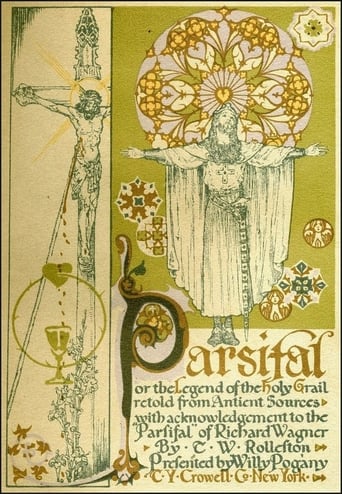
- Appeared in Parsifal (1912)
- Starred in La nave dei leoni (1912)
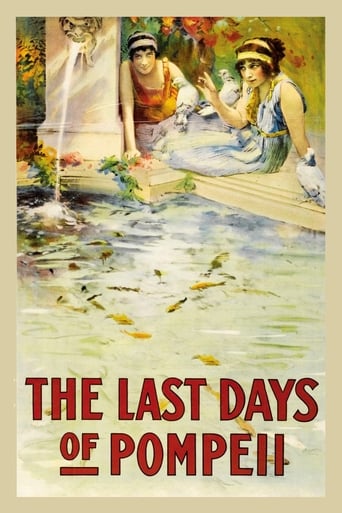
- Featured in The Last Days of Pompeii (1913)
Best Known For
Must-See Films
Working Relationships
Studios
Why They Matter
Impact on Culture
Antonio Grisanti was part of the foundational generation of Italian cinema during its international peak in the early 1910s. His appearances in major productions like 'The Last Days of Pompeii' contributed to Italy's reputation for producing spectacular historical epics that influenced cinema worldwide. While not a major star, his work as a supporting actor helped establish the professional acting standards and techniques that would evolve as cinema matured from a novelty to a respected art form.
Lasting Legacy
Like many actors from the earliest days of cinema, Antonio Grisanti's legacy exists primarily through the surviving films in which he appeared. His participation in some of Italy's most ambitious early productions places him within the historical narrative of cinema's development. The preservation of films like 'The Last Days of Pompeii' ensures that his performances, however brief, remain accessible to film historians and enthusiasts studying the birth of narrative cinema.
Who They Inspired
As a supporting actor in the era of Italian cinema, Grisanti's direct influence on subsequent generations of performers is difficult to trace. However, his work contributed to the establishment of acting techniques specifically adapted for the silent film medium, which would later influence performers worldwide. The grand, expressive style he would have employed represented the transitional phase between theatrical acting and the more naturalistic film acting that would emerge in subsequent decades.
Off Screen
Very little is documented about Antonio Grisanti's personal life, which was common for supporting actors in the early silent film era. Many performers from this period came from theatrical backgrounds and maintained careers on stage even while appearing in films. The lack of personal documentation suggests he was not among the major stars whose lives were covered by contemporary press.
Did You Know?
- Antonio Grisanti's entire known film active years covered only two years (1912-1913)
- He appeared in films during Italy's golden age of silent cinema
- His film 'The Last Days of Pompeii' was one of many Italian historical epics that influenced Hollywood
- Early Italian cinema was among the world's most technically advanced during his career
- Many actors from this era had backgrounds in legitimate theater
- Silent film actors needed to master exaggerated physical expression
- Italian cinema of this period was known for its spectacular sets and large casts
- The films Grisanti appeared in were adaptations of famous literary and operatic works
- Early cinema actors often worked anonymously with few screen credits
- The preservation rate of films from this era is extremely low
Frequently Asked Questions
Who was Antonio Grisanti?
Italian with credits in this catalog. He was part of the generation of cinema performers during Italy's golden age of filmmaking.
What films is Antonio Grisanti best known for?
Titles linked here include Parsifal (1912), La nave dei leoni (1912).
When was Antonio Grisanti born and when did he die?
Specific birth and death dates for Antonio Grisanti are not documented in available historical records, which was common for supporting actors of the early silent film era. He was active as an actor from 1912 to 1913.
What awards did Antonio Grisanti win?
No awards or honors for Antonio Grisanti are documented in historical records, which was typical for most actors during the very early years of cinema before formal award systems were established.
What was Antonio Grisanti's acting style?
As a silent film actor of the early 1910s, Grisanti would have employed the theatrical, exaggerated acting style typical of the period, using grand gestures and facial expressions to convey emotions without dialogue.