Films
3 films
About Filippo Castamagna
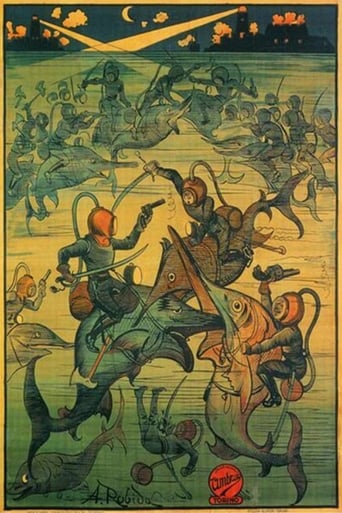
Italian actor who worked during the years of cinema, appearing in a brief but notable series of films between 1911 and 1913. His career coincided with the emergence of Italian cinema as a major artistic force in the early silent era, a period when Italian filmmakers were producing ambitious literary adaptations and spectacular epics. Castamagna appeared in three significant productions that showcased the growing sophistication of early Italian filmmaking, including adaptations of classic literature and opera. His most notable work was in 'The Extraordinary Adventures of Saturnino Farandola' (1913), which was one of the more elaborate adventure productions of its time. Like many actors of this early period, his career was relatively short, as the film industry was still developing and many performers did not achieve lasting stardom. His filmography, though brief, places him among the actors who helped establish the foundation of Italian cinema during its golden age of silent film production.
The Craft
On Screen
As an actor in the early silent era, Castamagna likely employed the theatrical, exaggerated gestures typical of pre-1915 cinema, when acting techniques were still transitioning from stage to screen. His performances would have emphasized broad physical expressions and dramatic poses to convey emotion without the benefit of synchronized sound.
Milestones
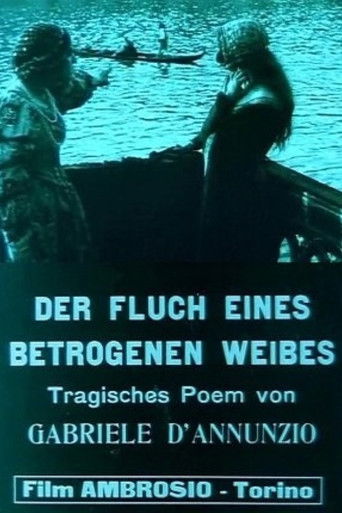
- Appeared in 'A Blind Retribution' (1911)
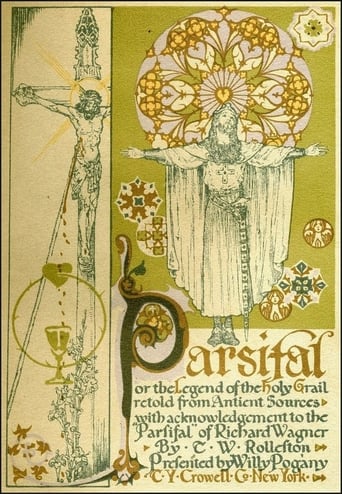
- Starred in 'Parsifal' (1912)
- Featured in 'The Extraordinary Adventures of Saturnino Farandola' (1913)
Best Known For
Iconic Roles
Must-See Films
Working Relationships
Studios
Why They Matter
Impact on Culture
Filippo Castamagna represents the generation of actors who participated in cinema's transition from novelty to art form during the early 1910s. His work in Italian productions during this period contributed to the establishment of Italy as a major force in early international cinema, particularly in the genres of literary adaptation and adventure films. Though his individual impact may be difficult to trace due to the limited survival of films and records from this era, actors like Castamagna were essential in developing the language of film performance that would evolve throughout the silent era.
Lasting Legacy
Castamagna's legacy is preserved primarily through his participation in three significant early Italian films that represent the ambitious scope of pre-World War I European cinema. While he may not be remembered as a major star, his work exemplifies the type of ensemble acting that characterized early film productions, where performers contributed to the overall artistic vision rather than establishing individual celebrity. His filmography serves as a valuable record of the types of productions being made in Italy during this crucial period of cinematic development.
Who They Inspired
As an actor from such an early period of cinema, Castamagna's direct influence on later performers is difficult to trace. However, his participation in the development of early Italian film performance techniques contributed to the foundation upon which later silent film actors would build. The theatrical style he likely employed was part of the evolution that would eventually lead to more naturalistic screen acting as the medium matured.
Off Screen
Very little is documented about the personal life of Filippo Castamagna, which is typical for many actors from the earliest years of cinema who did not achieve lasting fame. Like many performers of his era, biographical details were often not preserved in historical records, especially for those whose careers spanned only a few years during cinema's formative period.
Did You Know?
- Appeared in films during what is considered the golden age of Italian silent cinema (1910s)
- His film 'Parsifal' was part of the early trend of adapting grand operas for the screen
- The Extraordinary Adventures of Saturnino Farandola was based on a popular French adventure novel
- Like many early film actors, his active years covered only a few years during cinema's rapid development
- Worked during a period when Italian films were internationally acclaimed for their spectacle and ambition
- His entire known filmography consists of only three films, all made within a two-year period
- Participated in the early adaptation of literary works to cinema, a practice that would become fundamental to film history
Frequently Asked Questions
Who was Filippo Castamagna?
Italian with credits in this catalog. He was part of the first generation of film actors who helped establish cinema as an art form in Italy during its years.
What films is Filippo Castamagna best known for?
Titles linked here include The Extraordinary Adventures of Saturnino Farandola (1913), Parsifal (1912).
When was Filippo Castamagna born and when did he die?
Specific birth and death dates for Filippo Castamagna are not documented in available historical records, which is common for actors from this very early period of cinema who did not achieve lasting fame.
What awards did Filippo Castamagna win?
No awards or honors for Filippo Castamagna are recorded, which is typical for actors from the early 1910s, as formal film award systems had not yet been established during his brief career.
What was Filippo Castamagna's acting style?
Like most actors of the pre-1915 silent era, Castamagna likely employed theatrical, exaggerated gestures and dramatic poses to convey emotion, as film acting techniques were still evolving from stage performance to screen-specific methods.