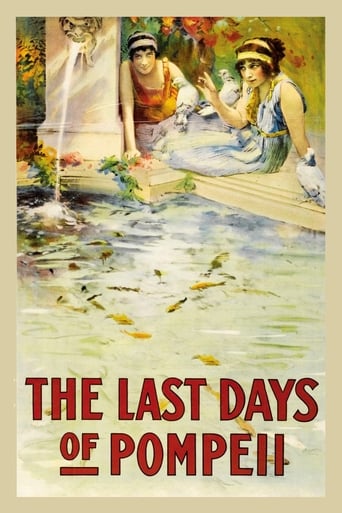
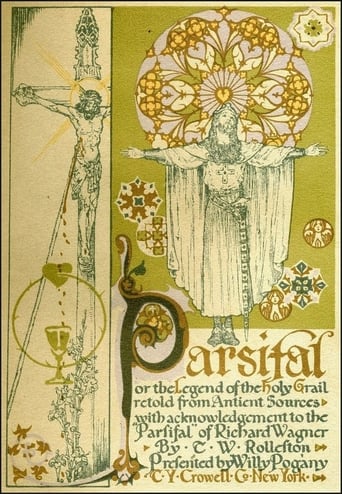
Films
2 films
About Vitale Di Stefano
The 1912 film Parsifal is the only title linked here for Vitale Di Stefano. His brief but notable film career coincided with the emergence of Italy as a major force in international cinema, particularly known for spectacular historical and mythological productions. Di Stefano appeared in two significant films of this era: 'Parsifal' (1912), an adaptation of Wagner's famous opera, and 'The Last Days of Pompeii' (1913), one of several adaptations of Edward Bulwer-Lytton's classic novel. These films were characteristic of the Italian cinema of the period, which emphasized grand scale, elaborate sets, and dramatic storytelling. Like many actors of this early period, Di Stefano's career was likely brief, as the film industry was still developing and many performers transitioned in and out of the medium. His work represents the contribution of countless early actors who helped establish the foundation of cinema as an art form, even though their individual stories have been largely lost to time.
The Craft
On Screen
As an actor in the early silent era, Vitale Di Stefano would have employed the theatrical, exaggerated acting style typical of the period, using broad gestures and facial expressions to convey emotion without dialogue. His performances would have been influenced by stage acting traditions, as cinema had not yet developed its own distinct acting techniques.
Milestones
- Appeared in 'Parsifal' (1912)
- Starred in 'The Last Days of Pompeii' (1913)
- Contributed to Italy's golden age of silent cinema
- Participated in early historical epic productions
Best Known For
Must-See Films
Working Relationships
Studios
Why They Matter
Impact on Culture
Vitale Di Stefano represents the countless actors who contributed to the birth of cinema as an art form during its most experimental phase. His participation in early Italian historical epics places him within a movement that established many cinematic conventions still used today, including large-scale productions, elaborate set design, and dramatic storytelling. Though his individual contributions may seem modest, he was part of the foundation upon which modern cinema was built, representing the transition from theatrical traditions to film-specific performance techniques.
Lasting Legacy
The legacy of Vitale Di Stefano, like many early silent film actors, exists primarily through the surviving films in which he appeared. His work in 'Parsifal' and 'The Last Days of Pompeii' shows the early Italian film industry's ambition and artistry. While his name may not be widely recognized today, he represents the generation of performers who helped establish cinema as a legitimate artistic medium during its most crucial developmental years.
Who They Inspired
As an actor from the earliest days of cinema, Vitale Di Stefano's direct influence on later performers is difficult to trace, but he was part of the collective effort to develop film acting techniques. His work in early Italian epics contributed to the establishment of cinematic language that would influence generations of filmmakers and actors worldwide, particularly in the realm of historical and dramatic storytelling.
Off Screen
Very little is known about Vitale Di Stefano's personal life, which is typical for actors from the very early silent era who often left few personal records. Like many performers of his generation, he likely came from a theatrical background or was drawn to the new medium of cinema during its formative years.
Did You Know?
- Appeared during Italy's golden age of silent cinema (1910s)
- Worked in the historical epic genre that made Italian cinema famous internationally
- His film active years covered only two known years, typical of many early cinema actors
- Participated in adaptations of classic literary and operatic works
- His films were made when cinema was transitioning from short novelty films to feature-length narratives
- Italian cinema of this period was among the most sophisticated in the world
- Early Italian actors like Di Stefano often worked anonymously or with little credit
- The films he appeared in were likely shot on location or in elaborate studio sets
- His career coincided with the emergence of the 'diva' phenomenon in Italian cinema
- Early 1910s Italian films were exported worldwide, making them internationally influential
Frequently Asked Questions
Who was Vitale Di Stefano?
Italian with credits in this catalog. He is known for his roles in 'Parsifal' (1912) and 'The Last Days of Pompeii' (1913), both significant productions from Italy's golden age of silent cinema.
What films is Vitale Di Stefano best known for?
Titles linked here include Parsifal (1912), The Last Days of Pompeii (1913).
When was Vitale Di Stefano active in films?
Vitale Di Stefano was active in cinema from 1912 to 1913, during the days of silent film. His brief career coincided with the emergence of Italy as a major force in international cinema.
What was the Italian film industry like during Di Stefano's career?
During Di Stefano's active years, the Italian film industry was experiencing its golden age, producing elaborate historical epics that were internationally acclaimed. These films featured spectacular sets, large casts, and dramatic storytelling that influenced cinema worldwide.
Why is so little known about Vitale Di Stefano?
Limited information about Vitale Di Stefano is typical for actors from the very early silent era, when record-keeping was minimal and many performers left few personal traces. Many early cinema actors worked anonymously or moved between different professions as the film industry was still developing.