Mario Caserini
Actor & Director
Born: February 26, 1874 in Rome, Italy Died: November 17, 1920 Active: 1906-1920
Films
9 films
About Mario Caserini
Italian film director and actor who in establishing Italian cinema during its formative years. Born in Rome in 1874, Caserini began his career as an actor before transitioning to directing around 1906. He worked for several prominent early Italian film companies including Milano Films and Cines, where he honed his craft and developed his distinctive style. Caserini was married to Maria Jacobini, a celebrated actress of the silent era who frequently starred in his films, creating one of early cinema's most notable creative partnerships. Throughout his career, he directed over 100 films, making him prolific directors of his time and a key figure in Italy's emergence as a major force in international cinema. His work spanned various genres, though he was particularly renowned for his historical epics and literary adaptations that showcased Italy's cultural heritage. Caserini's career was cut short by his untimely death in 1920 at the age of 46, occurring just as the film industry was beginning its transition to sound. Despite his relatively short career, his contributions to early cinema were substantial and his influence on subsequent Italian filmmakers was significant.
The Craft
On Screen
Caserini began his career as an actor during the earliest years of cinema, performing in the theatrical style typical of the silent era. His acting, like that of most performers of the period, emphasized exaggerated gestures and facial expressions to compensate for the lack of dialogue. While his acting career was relatively brief compared to his directing work, his experience as a performer likely informed his understanding of visual storytelling and helped him communicate effectively with actors as a director.
Behind the Camera
Caserini was known for his elaborate and ambitious directing style, particularly in his historical epics and literary adaptations. He employed innovative camera techniques for the time period, including complex tracking shots and carefully composed tableaux that brought artistic sophistication to his films. His productions were often among the most expensive of their era, featuring elaborate sets, costumes, and large casts that emphasized the grand scale of Italian cinema. Caserini had a particular talent for adapting literary works to the screen, finding visual equivalents for narrative complexity and emotional depth. His style combined technical innovation with strong storytelling, helping to establish many of the conventions that would later become standard in epic filmmaking.
Milestones
- Directed over 100 films during his career
- Pioneer of Italian cinema during the silent era
- Created notable adaptations of literary works including Wagner's Parsifal
- Established himself as a leading director of historical epics
- Formed a successful professional and personal partnership with actress Maria Jacobini
- Worked with major early Italian film companies including Milano Films and Cines
- Helped establish Rome as a center of film production before World War I
Best Known For
Iconic Roles
Must-See Films
Accolades
Special Recognition
- Recognized as a figure in Italian cinema history
- Credited with helping establish Italy as a major force in early international cinema
- Remembered as
Working Relationships
Worked Often With
Studios
Why They Matter
Impact on Culture
Mario Caserini had a profound impact on the development of Italian cinema and its international reputation during the silent era. His historical epics and literary adaptations helped establish Italy as a major force in global cinema, predating and influencing the more famous epics of the 1910s by directors like Giovanni Pastrone and Cabiria. Caserini's films were among the first Italian productions to achieve significant international distribution, helping to create a global audience for Italian cinema. His technical innovations, particularly in camera movement and visual storytelling, contributed to the development of film language during its formative years. The grand scale of his productions and his success in adapting literary works to the screen helped establish genres and techniques that would become standard in cinema worldwide. Caserini's work also helped establish Rome as an important center of film production, a status it would maintain throughout the 20th century.
Lasting Legacy
Mario Caserini's legacy in film history is that of a figure who helped establish Italian cinema during its earliest years. While many of his films are now lost—a common fate for early cinema—his influence can be seen in the work of subsequent Italian directors, particularly those who continued the tradition of grand historical epics. His prolific output of over 100 films in just 14 years demonstrates the incredible productivity of early filmmakers and the rapid development of cinema as an art form. Caserini is remembered by film historians as one of the key figures who helped define the language of cinema during its formative period. His adaptations of literary works and historical subjects helped establish the practice of bringing high culture to the screen, a tradition that would continue throughout cinema history. Though less famous than some of his contemporaries, Caserini's contributions to early cinema were substantial and his work deserves recognition as an important part of film history.
Who They Inspired
Caserini influenced subsequent generations of filmmakers through his innovations in epic storytelling and visual techniques. His adaptations of literary works helped establish the practice of bringing classic literature to the screen, influencing countless directors who followed. The grand scale of his productions and his success with historical subjects paved the way for the Italian epic tradition that would flourish in the 1910s and beyond. His technical innovations, particularly in camera movement and visual composition, contributed to the development of film language that would be adopted by filmmakers internationally. Caserini's work also demonstrated the commercial and artistic potential of cinema as a medium for high culture, influencing how the film industry would develop in subsequent decades. While direct influences are difficult to trace due to the loss of many of his films, his impact can be seen in the work of later Italian directors who continued the tradition of grand historical filmmaking.
Off Screen
Mario Caserini's personal life was closely intertwined with his professional career, as was common in the early film industry. In 1913, he married Maria Jacobini, who was. Their marriage was both a romantic partnership and a professional collaboration that produced some of the most notable Italian films of the period. Jacobini was previously married to another prominent filmmaker, Baldassarre Negroni, and her relationship with Caserini was considered somewhat scandalous at the time. The couple remained married until Caserini's death in 1920, during which time they formed one of early cinema's most notable creative partnerships. Beyond his marriage, little detailed information is available about Caserini's personal life, family background, or interests outside of filmmaking.
Education
No formal education in filmmaking is documented, as Caserini entered the film industry during its earliest years when such training did not exist. Like many pioneers of cinema, he likely learned through practical experience and on-the-job training.
Family
- Maria Jacobini (1913-1920)
Did You Know?
- Directed over 100 films during his relatively short 14-year career
- Was married to actress Maria Jacobini, who frequently starred in his films
- His 1912 adaptation of 'Parsifal' was one of the earliest film versions of Wagner's opera
- Worked for multiple early Italian film companies including Milano Films and Cines
- Many of Caserini's films are now considered lost, a common fate for early cinema
- His historical epics were among the most expensive productions of their time
- Began his career as an actor before transitioning to directing
- His films were distributed internationally, helping establish Italian cinema's global reputation
- Died in 1920, just as the film industry was transitioning from silent to sound films
- Helped establish Rome as a center of film production before World War I
- Was part of the first generation of filmmakers who developed the language of cinema
- His adaptations of literary works helped establish cinema as a medium for high culture
In Their Own Words
No documented quotes from Mario Caserini are available, as he worked during the silent era when filmmakers were rarely interviewed or documented in the way they are today.
Frequently Asked Questions
Who was Mario Caserini?
Italian on YTB.my. He was.
What films is Mario Caserini best known for?
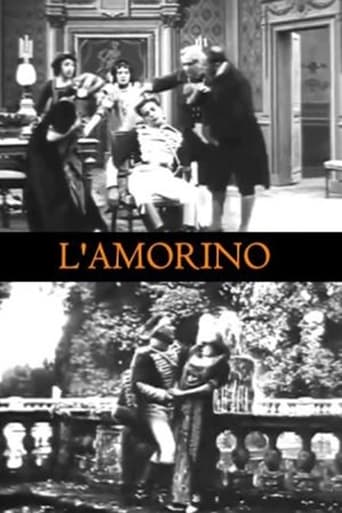
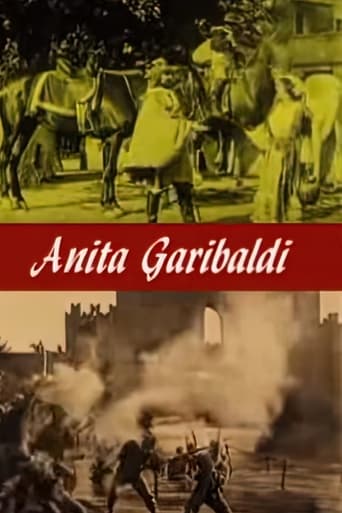
Titles linked here include L'amorino (1910), Anita Garibaldi (1910).
When was Mario Caserini born and when did he die?
Born February 26, 1874; died November 17, 1920.
What awards did Mario Caserini win?
Mario Caserini did not receive formal film awards, as he worked during the early years of cinema before such awards were established. However, his films gained international recognition and helped establish Italian cinema's global reputation during the silent era.
What was Mario Caserini's directing style?
Caserini was known for his elaborate historical epics and literary adaptations, utilizing innovative camera techniques for the time period. His productions featured grand scale with elaborate sets and costumes, helping to establish the epic genre in early cinema.
Was Mario Caserini married?
Yes, Caserini married actress Maria Jacobini in 1913, who frequently starred in his films. Their marriage was both a romantic partnership and professional collaboration that produced some of the most notable Italian films of the silent era.
How many films did Mario Caserini direct?
Mario Caserini directed over 100 films during his 14-year career, making him. Unfortunately, many of these films are now considered lost.