Films
1 film
About Leo Ragusi
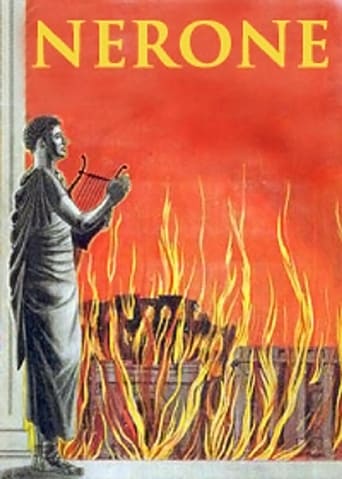
Leo Ragusi worked on one surviving credit: Nero, or The Fall of Rome (1909). His known film work consists of a single appearance in the 1909 historical epic 'Nero, or The Fall of Rome' (Italian: 'Nerone'), which was produced by the Italian film company Milano Films. This period marked the emergence of Italian cinema as a significant force in early filmmaking, with historical epics becoming particularly popular. Ragusi was part of the first generation of film actors who transitioned from stage performances to the new medium of motion pictures. Like many actors of this era, his career appears to have been brief, possibly consisting of only this one film role. The lack of extensive documentation about his career is typical of actors from this very early period of cinema, when record-keeping was minimal and many performers worked anonymously or in small, uncredited roles. His participation in this early historical epic places him among the pioneers of Italian cinema during its formative years.
The Craft
Milestones
- Appeared in 'Nero, or The Fall of Rome' (1909), an early Italian historical epic
Best Known For
Iconic Roles
Must-See Films
Working Relationships
Studios
Why They Matter
Impact on Culture
Leo Ragusi represents the anonymous pioneers of early cinema who contributed to the development of film as an art form during its most experimental phase. His participation in early Italian historical epics places him within the context of Italy's significant contribution to world cinema during the silent era. Although his individual impact may be difficult to trace due to limited documentation, actors like Ragusi were essential to the establishment of cinema as a popular entertainment medium. The early 1900s saw the transition from novelty films to narrative storytelling, and performers like Ragusi were part of this crucial evolution. Their work, though often unremembered individually, collectively laid the foundation for the cinematic language and acting techniques that would develop in subsequent decades.
Lasting Legacy
Leo Ragusi's legacy is primarily that of an early cinema pioneer, representing the countless actors who participated in the birth of film but whose individual contributions have been lost to history. His appearance in a 1909 Italian historical epic places him among the first generation of professional film actors in Italy, a country that would become a major force in world cinema. While his name may not be remembered, his work contributes to our understanding of the early development of film acting and the transition from theatrical to cinematic performance styles. Actors from this era were instrumental in developing the visual language of film performance, experimenting with how to convey emotion and story without sound. Their collective legacy lives on in the evolution of film acting techniques that continue to influence performers today.
Who They Inspired
Due to the limited documentation of Leo Ragusi's career and the brief nature of his known film work, his direct influence on subsequent actors and filmmakers cannot be specifically traced. However, as part of the first generation of film actors, he contributed to the early development of screen acting techniques that would evolve over the following decades. Early actors like Ragusi helped establish the fundamental principles of film performance, including the adaptation of theatrical acting styles for the camera and the development of more subtle, naturalistic approaches suited to the intimate medium of film. Their experimental work in the 1900s laid the groundwork for the sophisticated acting methods that would emerge in the 1920s and beyond.
Off Screen
Very little is known about Leo Ragusi's personal life, which is typical for actors from the earliest period of cinema. Like many performers of his era, detailed biographical information was not systematically recorded or preserved.
Did You Know?
- Leo Ragusi appeared in cinema during its absolute infancy, when films were rarely longer than 10-15 minutes
- His only known film 'Nero, or The Fall of Rome' was part of the early wave of Italian historical epics that would later include famous films like 'Cabiria' (1914)
- 1909 was the same year that D.W. Griffith began his directing career at American Biograph
- Actors in this period often came from theatrical backgrounds and had to adapt their acting styles for the new medium
- Italian cinema of this period was among the most sophisticated in the world, with lavish productions and international distribution
- Many early film actors worked anonymously or with little credit, making historical documentation difficult
- The film industry in 1909 was still largely experimental, with acting techniques and cinematic language still being developed
- Early Italian films like the one Ragusi appeared in were often shot outdoors or in temporary studios due to the primitive state of film technology
Frequently Asked Questions
Who was Leo Ragusi?
Early Italian silent film with credits in this catalog. He is known for a single role in the 1909 historical epic 'Nero, or The Fall of Rome,' produced by Milano Films. Like many actors from this very early period of cinema, detailed biographical information about him is scarce.
What films is Leo Ragusi best known for?
Titles linked here include Nero, or The Fall of Rome (1909).
When was Leo Ragusi born and when did he die?
Specific birth and death dates for Leo Ragusi are not available in historical records, which is typical for actors from the earliest period of cinema. He was active in 1909 and was of Italian nationality, but further biographical details have been lost to history.
What awards did Leo Ragusi win?
Leo Ragusi did not receive any known awards or nominations for his work. The film industry award system, including the Academy Awards, would not be established until decades after his brief career in 1909.
What was Leo Ragusi's acting style?
While specific details about Leo Ragusi's acting style are not documented, actors in 1909 typically used exaggerated theatrical techniques adapted for the silent screen. This was a transitional period when performers were learning how to convey emotion and story visually without the benefit of sound, often drawing from their stage experience.