Films
4 films
About Fernanda Negri Pouget
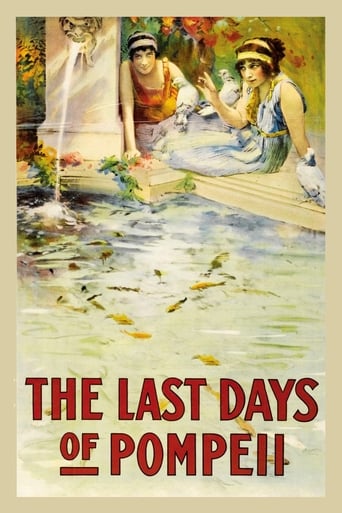
Italian silent film actress who emerged during the era of cinema in the early 1910s. She gained recognition for her performances in some of the most ambitious Italian productions of the period, including the epic 'The Last Days of Pompeii' (1913), which showcased the technical and artistic achievements of early Italian cinema. Her career, though brief, spanned the crucial transition years when cinema was evolving from simple novelty to sophisticated narrative art form. Pouget worked primarily with Italian production companies during what many consider the golden age of Italian silent films, a period when Italy was producing some of the most elaborate and internationally acclaimed films in the world. Her performances demonstrated the dramatic intensity required by the pantomimic style of silent acting, where facial expressions and body language were paramount. Despite her relatively short filmography, she contributed to several significant productions that helped establish cinema as a legitimate artistic medium. Her disappearance from film records after 1913 suggests she may have been among the many early film performers whose careers were cut short by the rapidly evolving industry or personal circumstances.
The Craft
On Screen
Pouget embodied the dramatic, theatrical style characteristic of early silent film acting, relying heavily on exaggerated facial expressions and grand gestures to convey emotion to audiences without dialogue. Her performances featured the intense melodramatic technique popular in Italian cinema of the period, where actors needed to project emotions clearly across theater-sized screens. She demonstrated particular skill in period pieces and dramatic narratives, bringing a sense of gravitas to her roles that suited the epic scale of Italian productions.
Milestones
- Starred in the Italian epic 'The Last Days of Pompeii' (1913)
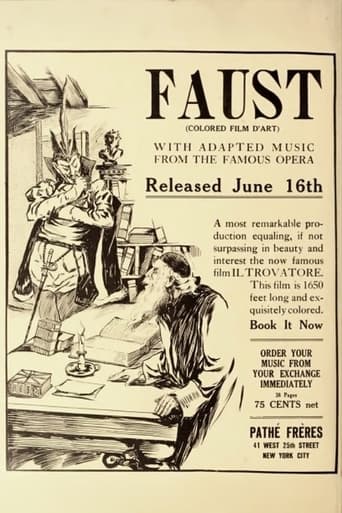
- Appeared in early adaptations of literary classics including 'Faust' (1910)
- Participated in the innovative Italian film industry during its international peak
- Contributed to the development of dramatic acting techniques in silent cinema
Best Known For
Iconic Roles
Must-See Films
Working Relationships
Worked Often With
Studios
Why They Matter
Impact on Culture
Fernanda Negri Pouget contributed to the early development of Italian cinema during its period of international dominance, when Italian films were renowned for their spectacular productions and artistic ambition. Her participation in 'The Last Days of Pompeii' placed her within. Though not a major star, her work represents the contributions of the many supporting actors who were essential to creating the early film. Her career exemplifies the transient nature of early film stardom, where many talented performers appeared briefly during cinema's formative years before fading from historical record. The preservation of her name in film credits demonstrates the growing importance of actor recognition in early cinema, as the industry moved toward establishing film as a legitimate art form with identifiable artistic contributors.
Lasting Legacy
Fernanda Negri Pouget's legacy lies in her contribution to the foundational years of cinema, particularly during the remarkable period when Italian films led the world in artistic and technical achievement. While she may not be remembered as a major star, her participation in significant early productions helps document the collaborative nature of filmmaking during cinema's infancy. Her filmography shows the many women who helped shape early cinema, often working in challenging conditions with little recognition. The survival of her name in historical records, however limited, provides valuable insight into the cast structures and production methods of early Italian cinema. Her story represents the countless early film artists whose contributions, while not widely celebrated today, were essential to establishing cinema as the dominant art form of the 20th century.
Who They Inspired
As an early film performer, Fernanda Negri Pouget's direct influence on subsequent generations of actors is difficult to trace, given the limited documentation of her career and techniques. However, her work in Italian epics contributed to the development of acting styles that would influence silent cinema internationally. The dramatic techniques employed in Italian productions of her era, in which she participated, helped establish conventions of film acting that would evolve throughout the silent period. Her performances in literary adaptations like 'Faust' contributed to the tradition of bringing classic literature to the screen, a practice that would become central to cinema's artistic legitimacy. While not a trailblazer in the traditional sense, her career exemplifies the collaborative development of film acting as a distinct art form separate from theatrical performance.
Off Screen
Very little is documented about Fernanda Negri Pouget's personal life, which was common for many early film actors whose private details were not preserved in historical records. The combination of Italian and French surnames in her name suggests possible mixed heritage or family connections between Italy and France, which was not uncommon in early European cinema. Like many performers of her era, she likely entered the film industry from theatrical backgrounds or was discovered during the rapid expansion of cinema production. The brevity of her film career and subsequent disappearance from public records leaves much of her personal story untold, a fate shared by numerous early cinema pioneers.
Did You Know?
- Appeared in films during the peak of Italian cinema's international dominance (1910-1913)
- Her name combines Italian and French elements, suggesting possible mixed heritage
- Worked in the epic genre that helped establish cinema as a serious art form
- Participated in early adaptations of classic literature for the screen
- Her career coincided with major technical innovations in film production
- Like many early film actors, her career was brief but occurred during a crucial period of cinema's development
- The preservation of her name in film credits indicates the growing importance of actor recognition in early cinema
Frequently Asked Questions
Who was Fernanda Negri Pouget?
Italian silent film actress active during the early 1910s, known for her roles in productions like 'The Last Days of Pompeii' (1913) and 'Faust' (1910). She worked during the era of Italian cinema when the country was producing some of the world's most ambitious and technically advanced films.
What films is Fernanda Negri Pouget best known for?
Titles linked here include The Last Days of Pompeii (1913), Faust (1910).
When was Fernanda Negri Pouget born and when did she die?
Specific birth and death dates for Fernanda Negri Pouget are not documented in historical records, which was common for many early film actors. She was active in cinema from approximately 1910 to 1913, and her biographical details remain largely unknown.
What awards did Fernanda Negri Pouget win?
There are no documented awards or honors for Fernanda Negri Pouget, which reflects the limited formal recognition systems for film achievements during the early 1910s. The Academy Awards would not be established until 1929, well after her active period.
What was Fernanda Negri Pouget's acting style?
Pouget employed the dramatic, theatrical style characteristic of early silent film acting, using exaggerated facial expressions and gestures to convey emotion. Her technique suited the epic scale of Italian productions and the pantomimic requirements of cinema before synchronized sound.