Films
2 films
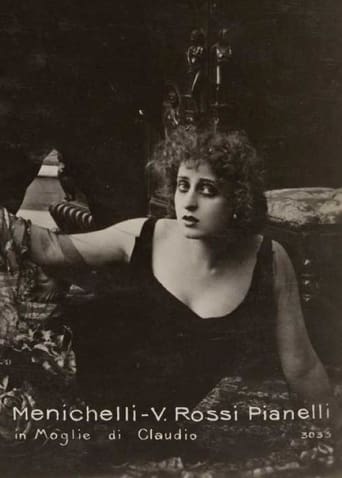
About Antonio Monti
Italian silent film actor who was active during the early years of cinema, specifically between 1913 and 1918. His the crucial transitional period when Italian cinema was establishing itself as a major force in international filmmaking. Monti appeared in at least two known films, beginning his screen career with 'Love Everlasting' in 1913, which was during the golden age of Italian silent cinema. His final known film appearance was in 'La Moglie di Claudio' (The Wife of Claudio) in 1918, which coincided with the end of World War I and a period of significant change in European cinema. Like many actors of his era, Monti's career was likely impacted by the technological and cultural shifts that came with the transition to sound films in the late 1920s. His work represents the early foundation of Italian film acting, a period characterized by theatrical gestures and dramatic expressions necessary for silent storytelling. Monti's brief but documented career provides a glimpse into the days of Italian cinema, when actors were helping to establish the language of film performance.
The Craft
On Screen
As a silent film actor of the 1910s, Monti would have employed the theatrical, exaggerated acting style typical of the era, using broad gestures and facial expressions to convey emotion without dialogue. His performances would have been influenced by Italian theatrical traditions and the dramatic conventions of early cinema.
Milestones
- Film debut in 'Love Everlasting' (1913)
- Starred in 'La Moglie di Claudio' (1918)
Best Known For
Must-See Films
Working Relationships
Studios
Why They Matter
Impact on Culture
Antonio Monti represents the early generation of Italian film actors who helped establish the foundation of Italian cinema during its silent era. His work in the 1910s coincided with what many consider the golden age of Italian silent film, when Italian productions were internationally acclaimed for their epic scale and artistic ambition. Though his individual contributions may be largely lost to history, Monti was part of the cultural movement that established Italy as a major force in early cinema, influencing acting styles and film production techniques that would echo through subsequent decades of Italian filmmaking.
Lasting Legacy
Antonio Monti's legacy lies in his contribution to the era of Italian cinema, a time when the basic language of film performance was being established. While his name may not be widely recognized today, his work in films like 'Love Everlasting' and 'La Moglie di Claudio' represents the foundation upon which later generations of Italian actors would build. His career, though brief and documented only through a few surviving film credits, shows the countless actors who participated in cinema's formative years and helped shape the art of film performance.
Who They Inspired
As an early Italian film actor, Monti would have been part of the generation that established acting conventions for silent cinema in Italy. His performances, along with those of his contemporaries, would have influenced subsequent Italian actors by demonstrating how to effectively convey emotion and narrative through physical expression and facial gestures in the absence of dialogue.
Off Screen
Very little is documented about Antonio Monti's personal life, which was common for many early film actors whose biographical details were not systematically preserved. As an Italian actor working during the silent era, he would have been part of the generation of film performers in Italy.
Did You Know?
- Antonio Monti's active years covered exactly five years, from 1913 to 1918
- His first film 'Love Everlasting' was released during what many consider the peak of Italian silent cinema
- His final known film 'La Moglie di Claudio' was released in the final year of World War I
- Like many actors of his era, Monti likely came from a theatrical background before entering films
- The 1910s was a period when Italian cinema was competing with France and the United States for international dominance
- Silent film actors of Monti's era often had to perform with heavy makeup and exaggerated expressions to be clearly understood by audiences
- Many Italian actors of this period worked with multiple production companies as the studio system was not yet fully established
- The transition to sound in the late 1920s ended the careers of many silent era actors, including potentially Monti
- Italian cinema of the 1910s was known for its historical epics and dramatic narratives
- Film preservation was limited in this era, so many performances by actors like Monti may be lost forever
Frequently Asked Questions
Who was Antonio Monti?
Italian silent film with credits in this catalog. He was part of the generation of Italian cinema actors who helped establish the foundations of film performance during the silent era.
What films is Antonio Monti best known for?
Titles linked here include Love Everlasting (1913), La Moglie di Claudio (1918).
When was Antonio Monti active in cinema?
Antonio Monti had a documented film career spanning from 1913 to 1918, covering a period of five years during the height of the Italian silent film era. His career coincided with what many historians consider the golden age of Italian silent cinema.
What was Antonio Monti's acting style?
As a silent film actor of the 1910s, Monti would have employed the theatrical acting style typical of the era, characterized by exaggerated gestures and dramatic facial expressions necessary to convey emotion and story without dialogue. This style was influenced by Italian theatrical traditions and the technical limitations of early filmmaking.
What is Antonio Monti's significance in film history?
While not a major star, Antonio Monti represents the countless actors who participated in cinema's formative years in Italy. His work contributes to our understanding of early Italian cinema and the development of film acting techniques during the silent era, a crucial period that established many conventions that would influence cinema for decades to come.