Films
1 film
About Letizia Quaranta
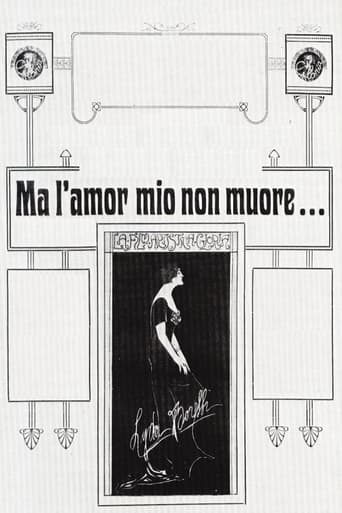
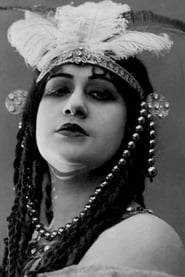
Letizia Quaranta worked on one surviving credit: Love Everlasting (1913). Her career was notably brief, spanning only the year 1913, which places her among the very first generation of film performers. She is known to have appeared in the silent film 'Love Everlasting' (1913), which was produced during a period when Italian cinema was experiencing its first golden age. Like many actresses of this era, Quaranta worked before the establishment of the studio system and before film actors achieved widespread celebrity status. The silent film period required actors to convey emotion primarily through physical expression and pantomime, as synchronized sound technology had not yet been developed. Her career represents the ephemeral nature of early film stardom, where many performers appeared in only a handful of films before disappearing from historical record. The limited documentation of her work is typical of many early cinema figures whose contributions have been partially lost to time.
The Craft
On Screen
As a silent era actress, Quaranta would have employed exaggerated physical gestures and facial expressions to convey emotion, typical of early film acting techniques before the development of more naturalistic styles in the late 1910s and 1920s
Milestones
- Appeared in 'Love Everlasting' (1913) during the early silent era
- Participated in Italian cinema's first golden age
Best Known For
Must-See Films
Why They Matter
Impact on Culture
Letizia Quaranta represents the countless anonymous or semi-anonymous actors who contributed to the birth of cinema during the silent era. Her brief career in 1913 places her among the pioneers who helped establish the foundation of film as an art form and entertainment medium. While her individual impact may have been limited due to her short career, she was part of the broader movement that established Italian cinema as one of the world's leading film industries in the early 1910s. The work of actresses like Quaranta helped develop the language of cinematic performance before the advent of sound, influencing how emotion and narrative would be conveyed visually in film for decades to come.
Lasting Legacy
Letizia Quaranta's legacy is primarily historical, serving as a reminder of the thousands of early film actors whose contributions to cinema have been largely lost to time. Her appearance in 'Love Everlasting' (1913) represents the ephemeral nature of early film stardom and the challenges of preserving film history from the silent era. While she may not have achieved lasting fame, her work exemplifies the spirit of early cinema and the countless performers who helped establish film as a legitimate artistic medium. Her story underscores the importance of film preservation and historical research in recovering the contributions of forgotten figures from cinema's earliest days.
Who They Inspired
Due to her brief career and the limited documentation of her work, specific influences of Letizia Quaranta on later performers are difficult to trace. However, as an early silent film actress, she would have been part of the generation that established fundamental acting techniques for the medium. Her work, along with that of her contemporaries, contributed to the development of visual storytelling methods that would influence film acting throughout the silent era and beyond.
Off Screen
Very little is documented about Letizia Quaranta's personal life, which is common for many early film actors whose careers predated the era of celebrity journalism and detailed film industry documentation.
Did You Know?
- Letizia Quaranta's entire known film career lasted only one year (1913)
- She appeared during the peak of Italy's first cinematic golden age
- Her film 'Love Everlasting' (1913) represents early Italian romantic cinema
- Like many early film actors, most biographical details about her life have been lost
- Her name suggests she was likely from Northern Italy, where early Italian film production was centered
- 1913 was a significant year for Italian cinema, with the country producing numerous internationally acclaimed films
- Silent era actors like Quaranta often worked without screen credit
- Many films from 1913 have been lost, potentially including other works by Quaranta
- Early Italian cinema was known for its elaborate productions and historical epics
- Actresses in 1913 often came from theatrical backgrounds, transitioning from stage to screen
Frequently Asked Questions
Who was Letizia Quaranta?
Early Italian silent film actress active in 1913. She is known primarily for her appearance in the film 'Love Everlasting' (1913) during the days of cinema.
What films is Letizia Quaranta best known for?
Titles linked here include Love Everlasting (1913).
When was Letizia Quaranta born and when did she die?
Unfortunately, specific birth and death dates for Letizia Quaranta are not documented in available historical records. This is common for many early film actors whose biographical information has been lost over time.
What awards did Letizia Quaranta win?
Letizia Quaranta did not receive any documented awards, as major film awards like the Academy Awards were not established until 1927, well after her brief career ended.
What was Letizia Quaranta's acting style?
As a silent era actress from 1913, Quaranta would have used the typical acting style of early cinema, featuring exaggerated gestures and facial expressions to convey emotion without synchronized sound. Early silent film acting was more theatrical and less naturalistic than later periods.