Films
3 films
About Camillo De Riso
Italian actor who worked during the golden age of silent cinema in the early 1910s. His career, though brief, spanned the period when Italian cinema was experiencing its first major international success, particularly with historical epics and literary adaptations. De Riso appeared in several notable productions during 1913-1915, a time when Italian filmmakers were techniques in cinematic storytelling and grand spectacle. His filmography includes adaptations of classic literature, which was a popular genre in Italian cinema of this era. Camillo De Riso worked during a transformative period when cinema was evolving from simple novelty to sophisticated art form. Unfortunately, like many actors from this early period, detailed records of his life and career are scarce, with much information lost to time. His work represents the contributions of the many supporting actors who helped build the foundation of cinema during its formative years.
The Craft
On Screen
As a silent era actor, De Riso likely employed the exaggerated gestures and facial expressions characteristic of early cinema, where actors had to convey emotions without dialogue. His performances in literary adaptations suggest he was capable of portraying complex dramatic characters through physical acting alone.
Milestones
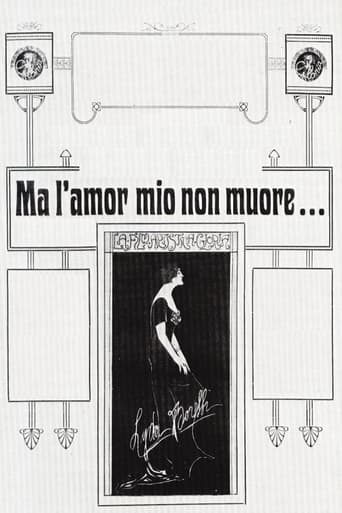
- Appeared in 'Love Everlasting' (1913)
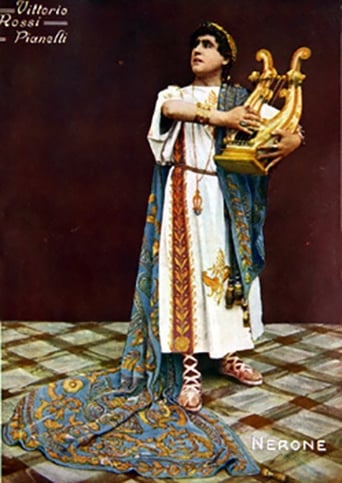
- Starred in 'Nero and Agrippina' (1913)
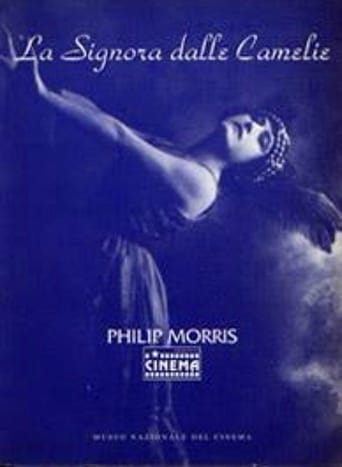
- Featured in 'The Lady of the Camellias' (1915)
Best Known For
Iconic Roles
Must-See Films
Working Relationships
Worked Often With
Studios
Why They Matter
Impact on Culture
Camillo De Riso contributed to the early development of Italian cinema during its most innovative period. His work in literary adaptations helped establish the tradition of bringing classic literature to the screen, which would become a hallmark of Italian cinema. Though not a major star, his participation in these early films represents the collective effort of actors who helped cinema evolve from simple spectacle to sophisticated storytelling medium.
Lasting Legacy
While De Riso's individual legacy may be limited due to the scarcity of surviving records and films from this era, he represents the generation of actors who helped establish cinema as a legitimate art form. His work in early Italian adaptations of literary classics contributed to the foundation upon which later Italian cinema would build its international reputation. The films he appeared in are valuable artifacts of early 20th century cinematic history.
Who They Inspired
As an actor from the very early period of cinema, De Riso's influence would have been primarily on the development of acting techniques for the silent medium. His work in literary adaptations helped demonstrate how complex characters and narratives could be translated to the screen, influencing subsequent generations of actors and filmmakers in Italian cinema.
Off Screen
Very little is documented about the personal life of Camillo De Riso, which was common for many supporting actors of the silent era. Like many actors of his time, he likely came from a theatrical background before transitioning to the new medium of cinema. The lack of personal records reflects the limited documentation practices for non-star actors during early cinema history.
Did You Know?
- Appeared in films during the peak of Italian silent cinema's international success
- Worked in an era when Italian films were among the most sophisticated and expensive in the world
- Participated in the popular trend of literary adaptations that dominated early Italian cinema
- His active years covered the period just before World War I, which would dramatically change European cinema
- Like many actors of his era, he likely transitioned from stage to the new medium of film
- The films he appeared in were produced when cinema was rapidly evolving from short subjects to feature-length narratives
- Italian cinema of this period was known for its elaborate sets and costumes, suggesting he worked in visually rich productions
Frequently Asked Questions
Who was Camillo De Riso?
Italian with credits in this catalog.
What films is Camillo De Riso best known for?
Titles linked here include Love Everlasting (1913), Nero and Agrippina (1913).
When was Camillo De Riso born and when did he die?
Specific birth and death dates for Camillo De Riso are not documented in available historical records, which is common for many supporting actors from the early silent era. He was active as an actor from 1913 to 1915.
What awards did Camillo De Riso win?
No recorded awards or nominations for Camillo De Riso exist in available historical documentation, as formal acting awards were not yet established during his brief career in the early 1910s.
What was Camillo De Riso's acting style?
As a silent era actor, De Riso likely employed the dramatic physical acting style typical of early cinema, using exaggerated gestures and facial expressions to convey emotions in the absence of dialogue.