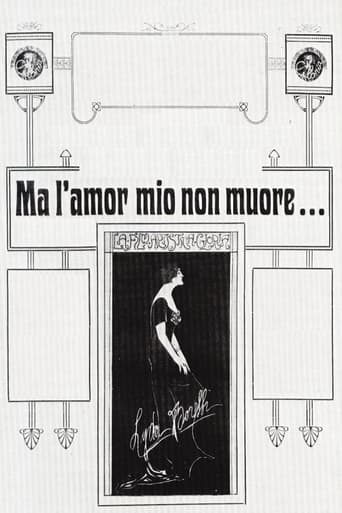
Vittorio Rossi Pianelli
Actor
Born: January 15, 1859 in Turin, Kingdom of Sardinia (now Italy) Died: November 19, 1933 Active: 1878-1933 (Theater), 1912-1918 (Film)
Films
4 films
About Vittorio Rossi Pianelli
Made a significant transition from the theatrical stage to the burgeoning medium of silent cinema in the early 20th century. Born into a family with artistic inclinations, he began his career on the Italian stage, where he developed a reputation for his commanding presence and dramatic intensity. His transition to film coincided with the golden age of Italian silent cinema, where he quickly became a sought-after character actor, particularly in historical epics and dramatic productions. Throughout his brief but impactful film career from 1912 to 1918, he appeared in several notable productions that showcased his ability to portray complex historical figures and dramatic characters. His performances in films like 'Una congiura contro Murat' and 'Nero and Agrippina' demonstrated his mastery of the theatrical style required in silent film acting. Despite the relatively short span of his film career, Rossi Pianelli's work contributed to the early Italian cinema, helping establish the dramatic conventions that would influence subsequent generations of Italian actors. His later years saw him return to his theatrical roots, though he remained connected to the film industry through mentoring younger actors.
The Craft
On Screen
Rossi Pianelli was known for his theatrical, grandiose acting style typical of the silent era, characterized by exaggerated gestures, intense facial expressions, and powerful stage presence. His background in theater influenced his film performances, which featured dramatic body language and expressive techniques necessary to convey emotion without dialogue. He particularly excelled in portraying historical figures with gravitas and authority, using his commanding voice and imposing physical presence to create memorable characters.
Milestones
- Stage debut at Teatro Carignano in Turin (1878)
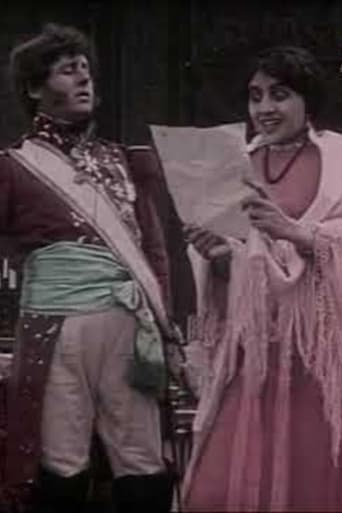
- Transition to silent cinema with 'Una congiura contro Murat' (1912)
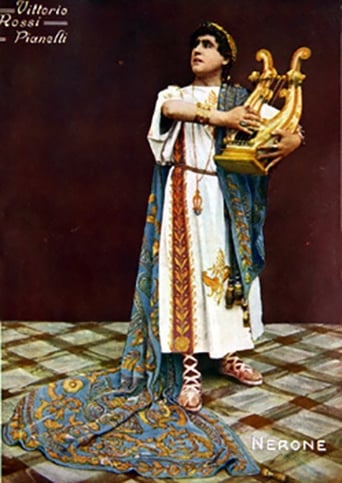
- Notable performance in 'Nero and Agrippina' (1913)
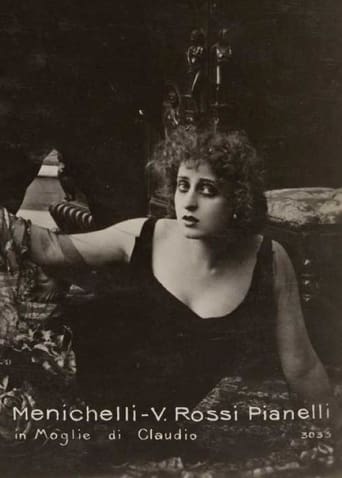
- Final film appearance in 'La Moglie di Claudio' (1918)
- Return to theatrical career and mentorship of young actors
Best Known For
Iconic Roles
Must-See Films
Accolades
Special Recognition
- Honorary membership in the Italian Actors' Guild (1925)
- Recognition for contributions to Italian theater and cinema (posthumous, 1934)
Working Relationships
Worked Often With
Studios
Why They Matter
Impact on Culture
Vittorio Rossi Pianelli played a significant role in bridging the gap between traditional Italian theater and the emerging art form of cinema. His successful transition from stage to screen helped legitimize film acting as a respectable profession for classically trained actors in Italy. During a period when many theater actors viewed cinema with skepticism, Rossi Pianelli's involvement brought artistic credibility to the medium and helped establish acting standards for Italian silent films. His performances in historical epics contributed to the popular genre of Italian historical cinema that would later influence international filmmaking.
Lasting Legacy
Rossi Pianelli's legacy lies in his contribution to the foundation of Italian cinema's acting traditions and his role in the cultural acceptance of film as a legitimate art form. While his filmography was brief, his work exemplified the transition from theatrical to cinematic acting styles that defined early Italian cinema. His dedication to mentoring younger actors ensured that his techniques and artistic philosophy were passed to subsequent generations. Historians of Italian cinema recognize him as an important figure who helped establish the dramatic conventions that would characterize Italian film throughout the silent era and beyond.
Who They Inspired
Rossi Pianelli influenced subsequent generations of Italian actors through his integration of classical theatrical training with the demands of cinematic performance. His approach to character development and emotional expression became a model for actors transitioning from stage to screen. Many Italian actors of the 1920s and 1930s cited his work as an example of how to maintain artistic integrity while adapting to new media. His techniques for conveying complex emotions through physical expression were particularly influential in an era before synchronized sound became standard in cinema.
Off Screen
Vittorio Rossi Pianelli came from a family with deep theatrical traditions in Turin. He married Elena Conti in 1885, a fellow theater actress whom he met during his early stage career. The couple had three children, two of whom followed in their father's artistic footsteps. Despite his growing fame in silent cinema, Rossi Pianelli maintained strong ties to the theatrical community and was known for his generosity in mentoring young actors. He was described by contemporaries as a disciplined professional who balanced his artistic ambitions with family responsibilities.
Education
Educated at the Royal Academy of Dramatic Arts in Turin, with additional training in classical literature and languages
Family
- Elena Conti (1885-1933)
Did You Know?
- Was one of the first established theater actors to embrace silent cinema in Italy
- His stage active years covered over 50 years, though his film career was only 6 years
- Spoke multiple languages fluently, which helped him in international co-productions
- Maintained a theater company even while working in films
- Was known for his meticulous preparation for historical roles
- Refused several offers to work in Hollywood, preferring to stay in Italy
- His son Carlo died in World War I, deeply affecting his later work
- Was a founding member of the Italian Film Actors' Union in 1919
- Kept detailed diaries of his experiences transitioning from theater to film
- Was particularly proud of his work in 'Nero and Agrippina' for its historical accuracy
In Their Own Words
The stage teaches you to be heard in the back row; the camera teaches you to be felt in the front row.
Cinema is not theater's enemy, but its evolution - we must embrace it or be left behind.
An actor's face must speak louder than his voice when the microphone is silent.
Historical characters demand not just performance, but reverence for their truth.
The greatest challenge in film is to make grand emotions intimate enough for the camera.
Frequently Asked Questions
Who was Vittorio Rossi Pianelli?
Italian with credits in this catalog. He was particularly known for his roles in historical epics and dramatic films during Italy's golden age of silent cinema from 1912 to 1918.
What films is Vittorio Rossi Pianelli best known for?
Titles linked here include Una congiura contro Murat (1912), Love Everlasting (1913).
When was Vittorio Rossi Pianelli born and when did he die?
Born January 15, 1859; died November 19, 1933.
What awards did Vittorio Rossi Pianelli win?
While formal film awards were not common during the silent era, Rossi Pianelli received honorary recognition including membership in the Italian Actors' Guild in 1925 and posthumous recognition for his contributions to Italian theater and cinema in 1934.
What was Vittorio Rossi Pianelli's acting style?
Rossi Pianelli's acting style was theatrical and grandiose, typical of the silent era, characterized by exaggerated gestures and intense facial expressions. His stage background influenced his film performances, which featured dramatic body language and expressive techniques necessary to convey emotion without dialogue.