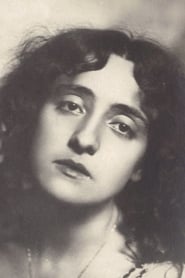
Lyda Borelli
Actor
Born: July 22, 1884 in Genoa, Italy Died: June 2, 1959 Active: 1913-1918 Birth Name: Lydia Borelli
Films
4 films

About Lyda Borelli
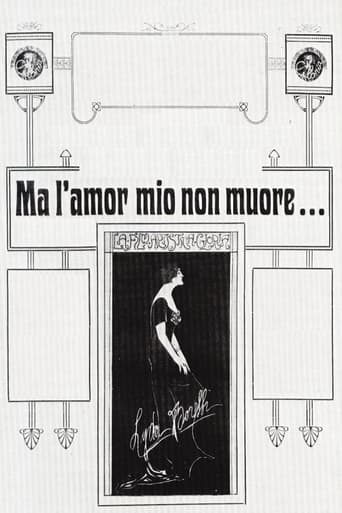
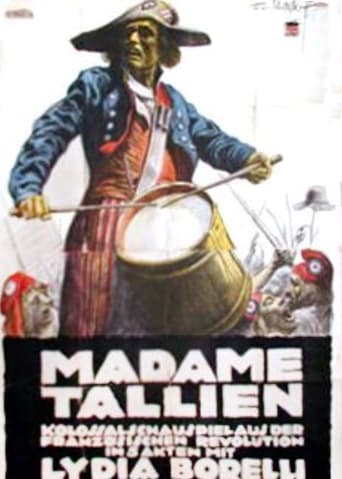
Italian actress who became figures of silent cinema, particularly known for her work in the 'diva film' genre. Born into a theatrical family, she began her career on stage before transitioning to film in 1913 with her breakthrough role in 'Love Everlasting.' Borelli was renowned for her ethereal beauty, intense emotional performances, and distinctive style that influenced fashion and culture throughout Europe. She starred in several landmark films including 'Madame Guillotine' (1916), 'Malombra' (1917), and 'Satan's Rhapsody' (1917), which showcased her ability to portray complex, tormented characters with unprecedented psychological depth. Her career was remarkably brief but incredibly influential, as she retired from acting in 1918 at the height of her fame to marry industrialist Giorgio Cini. Borelli's impact on cinema extended beyond her films, as she became a cultural icon whose aesthetic and performance style influenced generations of actors and directors, establishing the template for the cinematic 'diva' archetype.
The Craft
On Screen
Borelli was known for her highly expressive, almost theatrical acting style that was typical of the silent era but elevated to an art form. She employed exaggerated gestures, intense facial expressions, and a mesmerizing gaze that could convey deep emotional states. Her performances were characterized by a unique blend of fragility and strength, often portraying tormented souls caught between passion and duty. Borelli's acting was heavily influenced by her theatrical background, bringing a stage-like grandeur to her film roles while techniques for conveying complex emotions through subtle movements and expressions, particularly in close-up shots.
Milestones
- Breakthrough role in 'Love Everlasting' (1913)
- Becoming the highest-paid actress in Italy
- Establishing the 'diva film' genre archetype
- Influencing fashion and aesthetic trends of the era
- Retiring at the height of her fame in 1918
- Creating a lasting legacy despite a brief career
Best Known For
Iconic Roles
Must-See Films
Accolades
Special Recognition
- Recognized as one of the greatest actresses of the silent era
- Posthumously celebrated in film retrospectives and cinema history
- Influential in establishing the aesthetic of diva films
- Subject of academic study in film history programs
Working Relationships
Worked Often With
Studios
Why They Matter
Impact on Culture
Lyda Borelli's impact on cinema and culture was profound and far-reaching, despite her brief career. She essentially created and perfected the archetype of the 'diva' in silent cinema, a character type that would influence film noir and beyond. Her distinctive aesthetic - characterized by pale skin, dark circles under the eyes, and an ethereal, almost ghostly presence - became a visual template for depicting feminine mystique and tragedy on screen. Borelli's influence extended beyond cinema into fashion, art, and literature, with her style being emulated by women across Europe. She represented a new kind of female stardom that combined vulnerability with dangerous allure, challenging traditional notions of femininity. Her performances helped establish the visual language of silent cinema, particularly in the use of close-ups to convey emotional intensity, and her work influenced the surrealist movement with artists like Salvador Dalí citing her performances as inspiration.
Lasting Legacy
Lyda Borelli's legacy in film history is that of a figure who helped shape the language of cinematic performance. Though her filmography is small, each of her films is considered a masterpiece of silent cinema, studied by film scholars and historians. She is remembered as the quintessential diva of Italian silent cinema, whose performances transcended the limitations of the medium to create truly moving and complex characters. Borelli's decision to retire at the height of her fame has only enhanced her mystique, making her a legendary figure whose brief career has had an outsized influence on cinema history. Her work continues to be celebrated in film festivals and retrospectives dedicated to silent cinema, and modern filmmakers and actors still reference her techniques for conveying emotion without dialogue, proving the timelessness of her artistic contributions.
Who They Inspired
Lyda Borelli influenced generations of actors and directors, particularly in how to convey complex emotions through visual means. Her acting style, while characteristic of the silent era, was notably more nuanced and psychologically complex than many of her contemporaries. Directors who worked with her learned how to frame and capture female performances in ways that emphasized emotional depth and character complexity. Her influence can be seen in the work of later actresses like Greta Garbo and Marlene Dietrich, who also cultivated personas of mysterious, emotionally complex women. Borelli's approach to character development and her understanding of how to use the camera to convey internal states influenced the evolution of film acting techniques. Even in contemporary cinema, her legacy lives on in performances that rely on subtle expression and gesture rather than dialogue.
Off Screen
Lyda Borelli was born into a family with strong theatrical connections; her father was a stage actor and her mother was a singer, exposing her to performing arts from an early age. Despite her immense popularity, she maintained a relatively private personal life, carefully cultivating an aura of mystery around her off-screen persona. In 1918, the same year she retired from acting, she married the industrialist and art patron Giorgio Cini. After her marriage, she completely withdrew from public life and devoted herself to philanthropy and supporting the arts through her husband's foundation. Borelli's decision to retire at the peak of her career added to her legendary status, making her a figure of endless fascination for cinema historians.
Education
Specific details about her formal education are limited, but she received training in acting and performance from her family background and early stage experience in theater.
Family
- Giorgio Cini (1918-1959)
Did You Know?
- Lyda Borelli was one of the highest-paid actresses of her time, earning unprecedented salaries for her film roles
- She was nicknamed 'The Divine' by her adoring fans and the press
- Borelli's distinctive look, including her famous 'Borelli eyes' with dark circles, became a beauty trend that women tried to emulate
- She retired from acting completely at age 34, never returning to films despite numerous offers
- Her husband, Giorgio Cini, was so devoted to her that he established a foundation in her name after her death
- Borelli was one of the first film stars to have merchandise based on her image, including postcards and beauty products
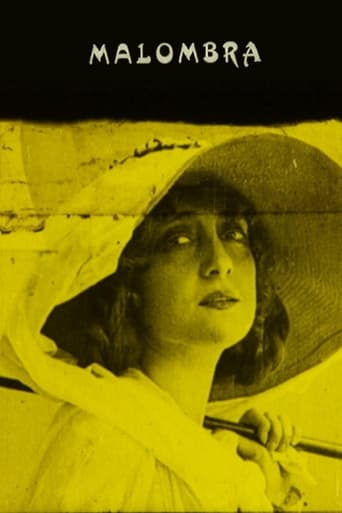
- Her film 'Malombra' was considered so psychologically advanced for its time that it was studied by early film theorists
- Despite her Italian heritage, Borelli had an international following, with her films being popular across Europe and even in America
- She was known for her intense preparation for roles, often staying in character for days during filming
- Borelli's influence extended to the surrealist movement, with artists like Salvador Dalí citing her performances as inspiration
In Their Own Words
The camera sees what the heart feels
To be a diva is not to be admired, but to be understood in one's solitude
I left the screen because I had said all I had to say. Silence is sometimes the most powerful statement
In every woman's eyes there is a story, in mine perhaps a tragedy
The true artist disappears into her art, leaving only the truth of the emotion
Frequently Asked Questions
Who was Lyda Borelli?
Italian silent film actress who became. She was particularly known for her work in the 'diva film' genre, establishing herself as the quintessential tragic heroine. Her career, though brief (1913-1918), had an outsized influence on the development of film acting and female stardom.
What films is Lyda Borelli best known for?
Titles linked here include Love Everlasting (1913), Malombra (1917).
When was Lyda Borelli born and when did she die?
Born July 22, 1884; died June 2, 1959.
What awards did Lyda Borelli win?
During Lyda Borelli's active years in the 1910s, formal award systems for cinema were not yet established. She received recognition through critical acclaim and immense popularity, becoming one of the highest-paid actresses of her time. Her legacy is celebrated through retrospectives and her inclusion in film history as a figure.
What was Lyda Borelli's acting style?
Lyda Borelli's acting style was characterized by intense expressiveness and psychological depth, even by silent era standards. She employed exaggerated gestures and facial expressions to convey complex emotions, often portraying tormented souls with a unique blend of fragility and strength. Her theatrical background brought a stage-like grandeur to her film performances, particularly excelling in close-up shots that captured her mesmerizing gaze.