Films
4 films
About Ignazio Lupi
Italian actor who flourished during the golden age of Italian silent cinema in the early 1910s. He emerged as a prominent character actor during Italy's cinematic boom period, specializing in historical and religious epics that dominated Italian filmmaking at the time. His career, though brief, coincided with some of the most ambitious productions of early European cinema, particularly the lavish historical spectacles produced by Italian studios. Lupi appeared in several landmark films that helped establish Italy as a major force in global cinema before World War I. His performances in films like Quo Vadis? (1913) and Christus (1916) demonstrated his ability to embody historical and biblical figures with the theatrical gravitas required by the silent medium. His filmography, spanning from 1913 to 1916, represents a significant but largely undocumented contribution to early Italian cinema history. Like many actors of his era, his career was likely impacted by the disruptions of World War I and the subsequent changes in the Italian film industry.
The Craft
On Screen
As a silent era actor, Ignazio Lupi likely employed the exaggerated gestures and dramatic facial expressions characteristic of early cinema, particularly suited to the grand historical and biblical roles he portrayed. His performances in epics would have required the theatrical gravitas and physical presence necessary to convey emotion and narrative without dialogue.
Milestones
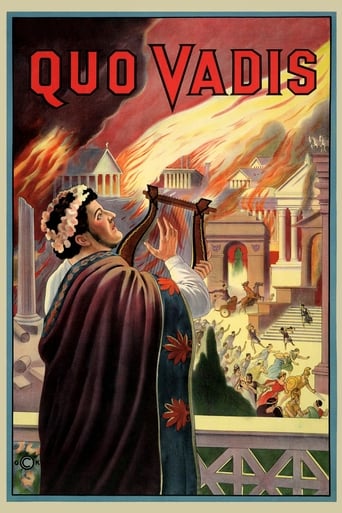
- Appeared in the groundbreaking epic Quo Vadis? (1913)
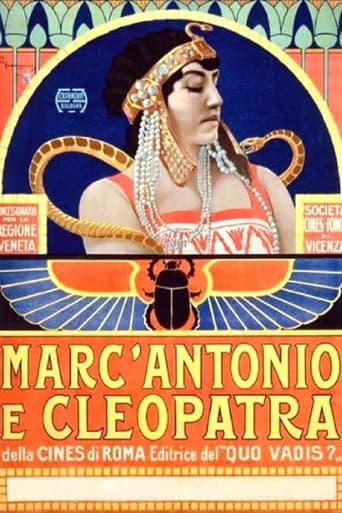
- Starred in Marc Antony and Cleopatra (1913)
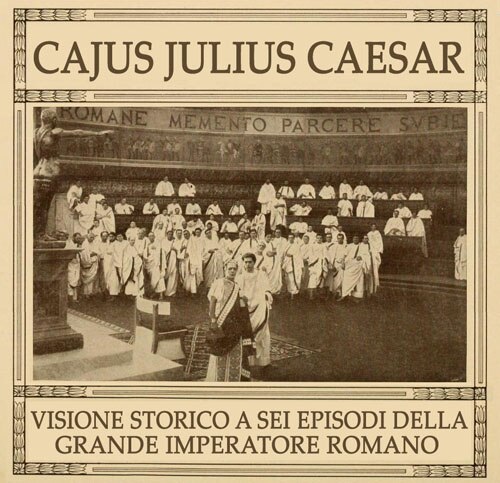
- Featured in Cajus Julius Caesar (1914)
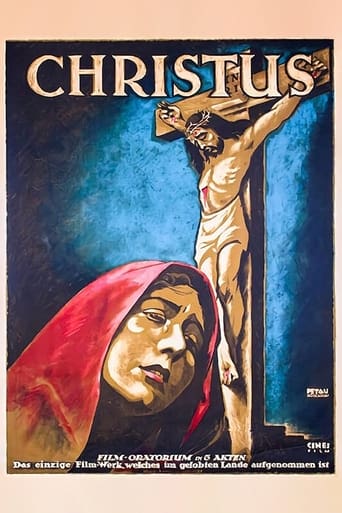
- Performed in the religious epic Christus (1916)
- Contributed to Italy's golden age of silent cinema
Best Known For
Iconic Roles
Must-See Films
Working Relationships
Worked Often With
Studios
Why They Matter
Impact on Culture
Ignazio Lupi contributed to the remarkable period of Italian cinema dominance in the early 1910s, when Italian historical epics were among the most prestigious and influential films worldwide. His participation in films like Quo Vadis? helped establish the template for large-scale historical cinema that would influence Hollywood productions for decades. These films were not only artistic achievements but also cultural ambassadors, showcasing Italian technical prowess and artistic vision to international audiences. The epics he appeared in represented some of the earliest attempts to bring classical literature and religious history to the screen, paving the way for future adaptations.
Lasting Legacy
Ignazio Lupi's legacy is preserved through his contributions to some of the most significant films of early Italian cinema. Though his name may not be widely recognized today, his work survives as part of the foundation upon which cinematic storytelling was built. The films he participated in, particularly Quo Vadis?, remain important historical artifacts that demonstrate the artistic ambitions and technical capabilities of early 20th century cinema. His performances contribute to our understanding of acting techniques in the silent era and the evolution of screen performance.
Who They Inspired
While specific documentation of Ignazio Lupi's influence on other actors is scarce, his work in epics would have contributed to the development of screen acting techniques for historical and dramatic roles. The films he appeared in served as models for subsequent generations of filmmakers and actors, particularly in the genre of historical epics that would become a staple of international cinema.
Off Screen
Very little documented information exists about the personal life of Ignazio Lupi, which is typical for many character actors from the early silent film era. Like many performers of his time, detailed biographical records were not systematically maintained, and much of his personal history remains undocumented.
Did You Know?
- Appeared in four major films over just three years (1913-1916)
- Worked during Italy's golden age of silent cinema
- Participated in the trend of massive historical epics that made Italian cinema internationally famous
- Quo Vadis? (1913) was one of the first feature films to achieve worldwide success
- The early 1910s Italian epics he appeared in were among the most expensive films of their time
- Like many silent era actors, his career was likely cut short by the transition to sound and the impact of World War I
- His filmography represents a significant but largely undocumented chapter in cinema history
Frequently Asked Questions
Who was Ignazio Lupi?
Italian with credits in this catalog. He contributed to Italy's golden age of cinema through roles in films like Quo Vadis? and Christus.
What films is Ignazio Lupi best known for?
Titles linked here include Quo Vadis? (1913), Marc Antony and Cleopatra (1913).
When was Ignazio Lupi born and when did he die?
Specific birth and death dates for Ignazio Lupi are not documented in available historical records, which is common for many character actors from the early silent film period. He was known to be active as an actor from 1913 to 1916.
What awards did Ignazio Lupi win?
No documented awards or nominations for Ignazio Lupi exist in available records. This is typical for actors of the early silent era, as formal award systems for cinema were not yet established during his active period.
What was Ignazio Lupi's acting style?
As a silent era actor, Ignazio Lupi likely employed the dramatic gestures and expressive facial acting techniques characteristic of early cinema. His roles in historical and religious epics would have required theatrical gravitas suitable for the grand scale of these productions.