Films
2 films
About Giovanni Spano
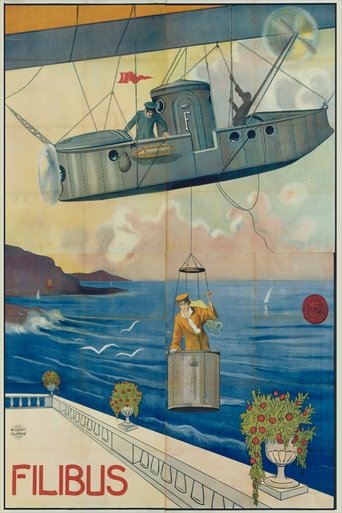
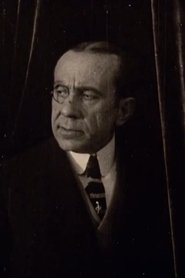
Italian actor who worked during the early silent film era, primarily active between 1914 and 1915. His career, though brief, coincided with a pivotal period in Italian cinema when the country was emerging as a major force in international filmmaking. Spano appeared in two notable films from this period: 'The Domestic Hearth' (1914) and the more widely recognized 'Filibus' (1915). His role in 'Filibus,' an innovative science fiction adventure film directed by Mario Roncoroni, represents his most significant contribution to early cinema. The film was particularly progressive for its time, featuring a female master criminal protagonist and incorporating elements of aviation and mystery. Spano's work exemplifies the transition of Italian cinema from its theatrical roots to more cinematic expressions during the silent era. While his filmography was limited to these two years, his participation in these productions places him among the actors of early Italian cinema, a period that would later influence filmmakers worldwide.
The Craft
On Screen
As a silent film actor from the early 1910s, Giovanni Spano likely employed the exaggerated gestures and dramatic expressions typical of the period, where actors had to convey emotions without dialogue. His acting style would have been influenced by theatrical traditions, adapted for the camera's intimate perspective.
Milestones
- Appeared in 'The Domestic Hearth' (1914)
- Starred in the innovative silent film 'Filibus' (1915)
- Contributed to early Italian cinema during its golden age
- Participated in one of the earliest science fiction films in cinema history
Best Known For
Iconic Roles
Must-See Films
Working Relationships
Worked Often With
Studios
Why They Matter
Impact on Culture
Giovanni Spano's contribution to cinema, while brief, is part of the broader tapestry of early Italian film history. His participation in 'Filibus' places him within the context of science fiction cinema, as the film is recognized today as one of the earliest examples of the genre. The film itself has gained cult status among silent film enthusiasts and scholars for its progressive themes and technical innovations for the period. Spano's work represents the transition from theatrical performance to cinematic acting that defined the evolution of film as an art form during the silent era.
Lasting Legacy
Though Giovanni Spano's active years covered only two years, his legacy endures through his participation in historically significant early films. 'Filibus' has been preserved and studied by film historians as an example of early genre cinema and progressive gender representation. The film's survival allows modern audiences to appreciate the work of actors like Spano who contributed to cinema's formative years. His career exemplifies the many actors from the silent era whose individual stories may be lost to time, but whose collective work laid the foundation for modern cinema.
Who They Inspired
While specific details about Giovanni Spano's influence on other performers are not documented, his work in early Italian cinema contributed to the development of film acting techniques during the silent era. The films he appeared in, particularly 'Filibus,' have influenced later filmmakers interested in early science fiction and the evolution of cinematic storytelling.
Off Screen
Very little is documented about Giovanni Spano's personal life, which was common for many early cinema actors who worked before the era of celebrity culture and detailed media coverage. Like many actors of his time, he likely came from a theatrical background, as was typical for early film performers in Italy.
Did You Know?
- Giovanni Spano's entire known filmography consists of just two films from 1914-1915
- 'Filibus' (1915), his most famous film, features one of cinema's earliest female master criminals
- The film 'Filibus' was considered quite innovative for its time, incorporating aviation and mystery elements
- Like many early silent film actors, detailed biographical information about Spano is scarce
- His career coincided with what is often called the 'golden age' of Italian cinema (1914-1918)
- 'Filibus' has survived the decades and is now considered a cult classic among silent film enthusiasts
- The film was directed by Mario Roncoroni, who was also a prolific writer of screenplays during this period
- Early Italian cinema, where Spano worked, was internationally acclaimed before World War I
Frequently Asked Questions
Who was Giovanni Spano?
Italian with credits in this catalog. He is best known for his role in the innovative science fiction film 'Filibus' (1915).
What films is Giovanni Spano best known for?
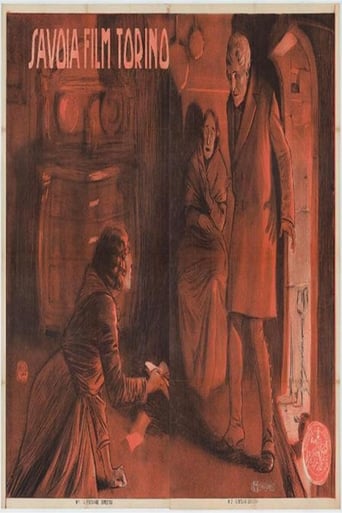
Titles linked here include Filibus (1915), The Domestic Hearth (1914).
When was Giovanni Spano active in cinema?
Giovanni Spano was active as an actor only during the years 1914-1915, making him a very brief contributor to early cinema during what was considered the golden age of Italian silent film.
What was 'Filibus' about?
'Filibis' was an innovative 1915 Italian silent film featuring a female master criminal who used an airship in her adventures. The film is now recognized as an early example of science fiction cinema and was quite progressive for its time.
Why is Giovanni Spano's career so short?
Like many actors from the early silent era, Spano's brief career may have been affected by World War I, which disrupted European film production, or he may have transitioned to other professions as cinema was still evolving as an industry.