
Len Lye
Director
- Born
- July 5, 1901, Christchurch, New Zealand
- Died
- May 15, 1980
- Active
- 1929-1980
- Birth name
- Leonard Charles Huia Lye
Films directed 1
About Len Lye
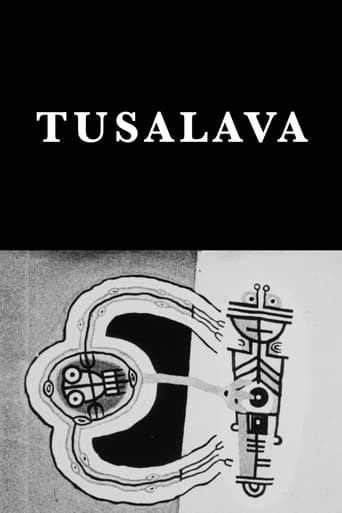
Len Lye was a New Zealand-born filmmaker, kinetic artist, and experimental animator whose name is most strongly associated with avant-garde cinema rather than mainstream feature filmmaking. Born Leonard Charles Huia Lye in Christchurch, New Zealand, he developed an early fascination with movement, pattern, and the visual possibilities of art in motion, interests that would shape his entire career. His landmark film Tusalava (1929), created during the late silent era, is one of the key works of early experimental animation and reflects his deep engagement with modernist abstraction, biomorphic imagery, and non-narrative visual rhythm. Although he did not build a long conventional directing career in commercial cinema, his influence in animation, graphic design, and motion art was profound, and he later became widely recognized for his experimental films and “direct film” techniques, in which he drew, painted, or scratched directly onto film stock. Lye spent much of his career outside New Zealand, especially in Britain and later the United States, where he worked across film, sculpture, advertising, and public art, constantly pursuing the idea that art should move, vibrate, and physically engage the viewer. His work bridged silent-era experimentation and postwar modernism, helping expand the boundaries of what cinema could be. Today he is remembered as a visionary artist-filmmaker whose innovations in animation and kinetic form placed him among the most original figures in 20th-century experimental cinema.
More about Len Lye
Behind the camera
Len Lye’s directing style was intensely visual, experimental, and non-narrative, centered on rhythm, color, abstraction, and the physical energy of motion rather than character psychology or conventional storytelling. In Tusalava and his later direct films, he favored biomorphic shapes, pulsating patterns, and an almost musical structure in which image sequences behave like visual compositions. He was especially known for working directly on film stock, allowing brushstrokes, scratches, and hand-drawn marks to become the film itself, creating a tactile, handmade energy that contrasted sharply with industrial studio animation. Even in commissioned work, he treated film as an art object and a kinetic medium, often blending modern design with improvisation and bold graphic invention. His style helped establish a bridge between fine art, animation, and cinema, making him a major figure in avant-garde filmmaking.
In film history
Len Lye had an outsized cultural impact because he proved that film could function not only as narrative entertainment but also as a form of visual art, kinetic music, and abstract design. His 1929 film Tusalava stands as an important silent-era experiment that connected cinema with modernist painting and non-Western visual inspiration, while his later direct animation works helped legitimize hand-made, non-photographic approaches to filmmaking. He brought avant-garde sensibilities into public-facing films, including advertising and institutional commissions, helping normalize bold modern design in everyday media. Beyond cinema, his sculpture and public art expanded the idea of what a moving image artist could be, making him a central figure in interdisciplinary art history. His work has been especially important to animators, graphic designers, media artists, and historians interested in the intersection of film technology and artistic invention.
Later reputation
Len Lye’s legacy rests on his role as a true pioneer of experimental film and animation, especially in the silent and early sound eras when the language of cinema was still being defined. He demonstrated that the film strip itself could be treated as a canvas, an instrument, and a sculptural surface, opening creative possibilities that continue to inspire artists working with hand-drawn, abstract, and digital motion imagery. His films are now studied as landmarks of avant-garde cinema and as important links between modernist visual art and moving-image culture. He remains especially significant to New Zealand cultural history, where he is recognized as one of the country’s most internationally influential artists. In broader film history, his name endures as a symbol of experimentation, innovation, and the refusal to separate art from motion.
Influence
Len Lye influenced experimental filmmakers, animators, graphic designers, and kinetic artists who sought to break away from realistic representation and conventional narrative. His direct-film techniques anticipated later forms of hand-crafted animation, music visualization, and abstract motion graphics. Artists working in experimental cinema, commercial design, and digital media have drawn on his sense of rhythmic composition, bold color, and tactile engagement with film material. He also helped broaden the aesthetic vocabulary of sponsored and educational films, showing that commissioned work could still be visually radical. His influence is often felt indirectly, through the many later artists who adopted a more liberated, material approach to the moving image.
Off screen
Len Lye was born in Christchurch, New Zealand, and his personal and artistic life was marked by mobility, independence, and a persistent search for new forms of expression. He left New Zealand relatively early in adulthood and lived for extended periods in Australia, Britain, and the United States, which exposed him to international modernist circles and helped shape his cross-disciplinary career. He was deeply committed to artistic experimentation and seems to have prioritized his creative work over a conventional domestic life, though he did maintain important personal and professional relationships within the art world. Detailed information about marriages and children is not consistently documented in standard film references, and reliable biographical sources focus primarily on his artistic work rather than family life. His personal identity was closely tied to his role as an inventor-artist who saw motion, sound, and form as inseparable elements of a modern visual language.
Education
He received his early education in New Zealand, but his most important training was largely self-directed through experimentation, travel, and exposure to modern art, cinema, and design. Rather than following a formal film-school path, he developed his methods through artistic practice, interdisciplinary study, and contact with avant-garde movements in Europe and elsewhere.
Credits
- Directed Tusalava (1929), an acclaimed early experimental animation and one of the foundational works of abstract silent-era cinema
- Pioneered direct animation techniques by painting, scratching, and drawing directly on film stock, helping redefine the possibilities of animated cinema
- Created influential films for the GPO Film Unit and other institutions, bringing avant-garde visual methods into documentary and commissioned film work
- Produced celebrated color and sound works such as A Colour Box and Free Radicals, which became milestones in experimental cinema history
- Extended his art into kinetic sculpture and public works, integrating motion, light, and sound into a broader multimedia practice
- Achieved international recognition as one of the most original visual artists to emerge from New Zealand in the 20th century
- Influenced later generations of animators, filmmakers, designers, and motion artists through his radical approach to form and movement
Films
- Tusalava (1929)
- A Colour Box (1935)
- Rainbow Dance (1936)
- Trade Tattoo (1937)
- Colour Flight (1949)
- Free Radicals (1958)
Honors
- Widely regarded as a pioneer of experimental cinema and animation
- Posthumous recognition in film, art, and design histories for innovation in direct animation and kinetic art
- Subject of retrospectives and museum exhibitions celebrating his work across film and sculpture
Collaborators
- John Grierson
- Basil Wright
- Walt Disney Studios personnel in a broad sense through animation discourse, though not as a direct long-term collaborator
- British documentary filmmakers and designers associated with the GPO Film Unit
Studios
- GPO Film Unit
- General Post Office Film Unit
- Shell film commissions
- British documentary and sponsorship-film production circles
Notes
- Tusalava was completed in 1929 and is one of the most important early examples of abstract animation associated with the silent era.
- Lye was as much a sculptor and kinetic artist as he was a filmmaker, and his creative practice crossed multiple disciplines.
- He became famous for making films by drawing or painting directly on the film strip, rather than photographing hand-made cels or live action.
- His work frequently explored themes of rhythm, vibration, motion, and visual music.
- He is one of the best-known New Zealand-born figures in international avant-garde art and film.
- Although often categorized as an animator, his work also had strong connections to modern design, advertising, and public art.
- He created some of his most celebrated work in Britain, particularly for the GPO Film Unit.
- His name is sometimes encountered in art history before film history because of his sculptural and kinetic installations.
Questions
Who was Len Lye?
Len Lye was a New Zealand-born experimental filmmaker, animator, and kinetic artist best known for pushing cinema beyond conventional storytelling. He gained lasting recognition for Tusalava (1929) and for later direct-animation works that treated film as a surface for paint, scratch, and motion.
What films is Len Lye best known for?
He is best known for Tusalava (1929), A Colour Box (1935), Rainbow Dance (1936), Trade Tattoo (1937), Colour Flight (1949), and Free Radicals (1958). These films are celebrated for their abstract design, rhythmic motion, and innovative direct-film techniques.
When was Len Lye born and when did he die?
Len Lye was born on July 5, 1901, in Christchurch, New Zealand, and died on May 15, 1980. His life spanned the rise of silent cinema, the sound era, and postwar experimental art.
What awards did Len Lye win?
There are no widely documented major mainstream film awards associated with Len Lye in standard reference sources. His recognition came more through critical acclaim, retrospective honors, museum exhibitions, and his enduring reputation as a pioneer of experimental cinema.
What was Len Lye's directing style?
Lye’s directing style was abstract, rhythmic, and highly visual, often favoring movement and color over plot or character. He is especially known for direct animation, in which he worked directly on film stock to create films that feel handmade, energetic, and musically structured.
What is Len Lye's legacy in film history?
Len Lye is remembered as one of the most inventive figures in animation and avant-garde film. He expanded the possibilities of the medium by showing that film could be a visual art object, a kinetic composition, and a form of experimental expression.