
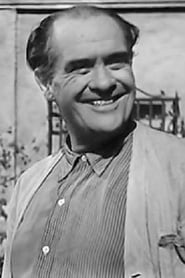
Films
1 film
About Faustino Bretaño
Spanish actor who worked during the silent film era of the 1920s, appearing primarily in the landmark Spanish film 'Currito de la Cruz' in 1926. His career was notably brief, with his known filmography limited to this single significant production that represented works of Spanish silent cinema. Bretaño was part of the cast assembled by director Alejandro Pérez Lugín for this adaptation of the popular bullfighting novel by Alejandro Pérez Lugín and Andrés González de Blasco. The film was a major production for its time and represented a significant achievement in Spanish cinema before the transition to sound. Bretaño's role, while not the lead, contributed to the ensemble that brought this quintessentially Spanish story to life during the golden age of silent film in Spain. His career appears to have been confined to this single year of activity in 1926, making him a representative figure of the many actors whose careers were brief but contributed to important works of early Spanish cinema.
The Craft
Milestones
- Appeared in 'Currito de la Cruz' (1926),
Best Known For
Iconic Roles
Must-See Films
Working Relationships
Worked Often With
Why They Matter
Impact on Culture
Faustino Bretaño's contribution to cinema, while limited to a single film, is part of the broader cultural significance of 'Currito de la Cruz' in Spanish film history. The film itself was instrumental in establishing Spanish cinema's identity during the silent era, focusing on themes deeply rooted in Spanish culture such as bullfighting, honor, and regional traditions. As a participant in this landmark production, Bretaño contributed to a work that helped define Spanish national cinema at a time when the industry was still developing its unique voice separate from Hollywood and other European film centers.
Lasting Legacy
Faustino Bretaño's legacy is preserved primarily through his participation in 'Currito de la Cruz,' a film that remains an important artifact of Spanish silent cinema. While his individual contribution may be small, the film itself has been studied and preserved as a significant work in Spanish film history. Bretaño represents the many actors whose careers were brief but who collectively contributed to the foundation of national cinema industries during the silent era. His name appears in film archives and historical discussions of early Spanish cinema, ensuring his place in the broader narrative of film history.
Who They Inspired
Due to the brevity of his known career and the limited documentation of his work, Faustino Bretaño's direct influence on other actors or filmmakers is not recorded in historical sources. However, his participation in a culturally significant film like 'Currito de la Cruz' means he contributed to the artistic development that would influence subsequent generations of Spanish filmmakers and actors who studied and drew inspiration from the classics of their national cinema.
Off Screen
Very little is documented about Faustino Bretaño's personal life, which is typical of many supporting actors from the silent era in Spanish cinema. His brief active years covered only 1926, and detailed biographical information about his family, relationships, or life outside of his single known film appearance has not been preserved in historical records.
Did You Know?
- 'Currito de la Cruz' was based on a popular Spanish novel about bullfighting
- The film was directed by Alejandro Pérez Lugín, who also co-wrote the source novel
- 1926 was the only known year of Faustino Bretaño's film career
- The film was
- Bretaño was part of the ensemble cast that brought this quintessentially Spanish story to life
- The film was remade multiple times in later years, including sound versions
- Spanish silent cinema was experiencing a creative peak in the mid-1920s
- Many supporting actors from this era, like Bretaño, have limited biographical documentation
Frequently Asked Questions
Who was Faustino Bretaño?
Spanish with credits in this catalog.
What films is Faustino Bretaño best known for?
Titles linked here include Currito de la Cruz (1926).
When was Faustino Bretaño born and when did he die?
Specific birth and death dates for Faustino Bretaño are not documented in historical records, which is common for many supporting actors from the silent era in Spanish cinema.
What awards did Faustino Bretaño win?
No awards or nominations for Faustino Bretaño are documented, which was typical for supporting actors in Spanish cinema during the silent period when formal award systems were not yet established.
What was Faustino Bretaño's acting style?
Specific details about Bretaño's acting style are not documented, but as a silent film actor in 1926, he would have used the exaggerated gestures and expressive techniques typical of the era.
Why is 'Currito de la Cruz' considered significant?
'Currito de la Cruz' is considered significant as.