Films
3 films
About Harry Hyde
American actor who worked briefly during the silent film era, appearing in at least two films in 1912. His career, though short, coincided with a pivotal period in American cinema when the industry was transitioning from short novelty films to more sophisticated storytelling. Hyde appeared in 'A Pueblo Legend' and 'The Goddess of Sagebrush Gulch,' both released in 1912, with the latter being a D.W. Griffith-directed short for Biograph Studio. Like many actors of this period, he was likely part of the studio system that produced films rapidly, with actors often playing multiple roles in various productions. The brevity of his known filmography suggests he may have been a bit player or someone who left the industry quickly, as was common in the early days when many viewed film acting as temporary work. His disappearance from film records after 1912 is typical of many early film performers whose careers ended before the industry became more stable and documented.
The Craft
Milestones
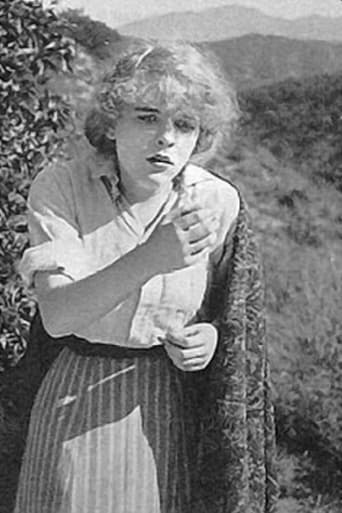
- Appeared in D.W. Griffith's 'The Goddess of Sagebrush Gulch' (1912)
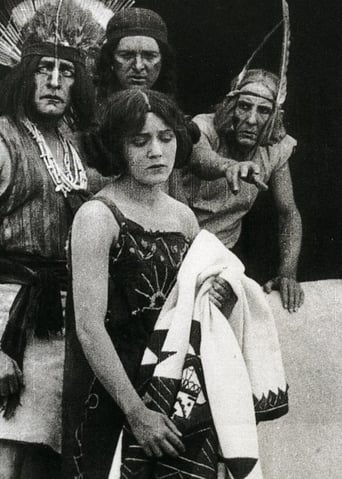
- Acted in 'A Pueblo Legend' (1912) during the early silent film era
Best Known For
Must-See Films
Working Relationships
Worked Often With
Studios
Why They Matter
Impact on Culture
Harry Hyde's contribution to cinema, while minimal in scope, represents the collective work of countless anonymous actors who helped establish the foundation of American film during its infancy. His appearance in a D.W. Griffith Biograph production places him within the context of. Though his name is largely forgotten, his work is part of the historical tapestry that shows how the film industry grew from small productions with little-known actors to the major cultural force it would become.
Lasting Legacy
Harry Hyde's legacy is primarily that of a representative figure from the earliest days of American cinema. Like many actors from 1912, his career was brief and largely undocumented beyond his film credits. His existence serves as a reminder of the thousands of performers who contributed to early film history but whose names have been lost to time. The films he appeared in, particularly 'The Goddess of Sagebrush Gulch,' survive as historical artifacts that preserve even the smallest contributions to cinema's development.
Who They Inspired
Given the brevity of his known career and his status as a minor actor in early films, Harry Hyde likely had little direct influence on other performers or the broader development of cinema. However, his participation in early Biograph productions places him within the ecosystem that nurtured many future film legends, even if his own role was minimal.
Off Screen
Very little is known about Harry Hyde's personal life, which is typical of many actors from the very early silent film period. The lack of surviving documentation about his life outside of his two known film appearances suggests he may have been a bit player or someone who briefly tried film acting before moving on to other pursuits.
Did You Know?
- Harry Hyde appeared in films during the same year that the Titanic sank and Arizona became a state
- His film 'The Goddess of Sagebrush Gulch' was directed by D.W. Griffith, who would later direct the controversial but groundbreaking 'Birth of a Nation'
- 1912 was a pivotal year in cinema, with feature films beginning to emerge as the dominant format
- Biograph Studio, where he likely worked, was
- Many actors from this period used their real names rather than stage names, suggesting 'Harry Hyde' may have been his birth name
- The average career length for early film actors was often very short, with many leaving the industry within a year or two
- Early silent film actors often had to provide their own costumes and makeup
- Film acting in 1912 was still considered a disreputable profession by many in society
- Most early film actors came from theater backgrounds or were simply looking for any available work
- The pay for early film actors was typically quite low, leading many to leave the industry quickly
Frequently Asked Questions
Who was Harry Hyde?
American with credits in this catalog.' His career was very short, typical of many actors from the earliest days of American cinema.
What films is Harry Hyde best known for?
Titles linked here include The Goddess of Sagebrush Gulch (1912), A Pueblo Legend (1912).
When was Harry Hyde born and when did he die?
Unfortunately, no birth or death dates for Harry Hyde have been preserved in historical records, which is common for many minor actors from the very early silent film period.
What awards did Harry Hyde win?
Harry Hyde did not receive any known awards or nominations, as the Academy Awards were not established until 1929, well after his brief acting career had ended.
What was Harry Hyde's acting style?
No specific information about Harry Hyde's acting style has survived, which is typical of bit players from 1912. Most early film actors used exaggerated gestures and expressions to compensate for the lack of sound.
Did Harry Hyde work with any famous directors?
Yes, Harry Hyde appeared in 'The Goddess of Sagebrush Gulch' (1912), which was directed by D.W. Griffith,.
Why is so little known about Harry Hyde?
Very little is known about Harry Hyde because he was a minor actor during the earliest days of cinema when record-keeping was minimal and many actors had brief, undocumented careers before leaving the industry.