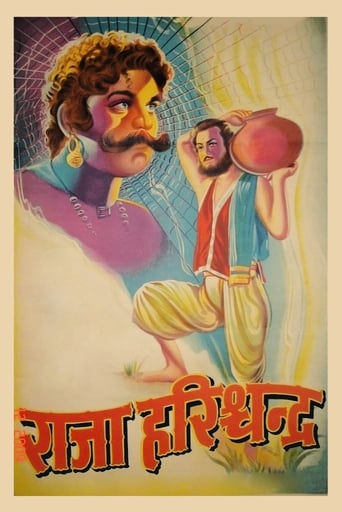
Bhalachandra D. Phalke
Actor
Born: 1905 in Nashik, Bombay Presidency, British India Active: 1913-1913 Birth Name: Bhalachandra Dhundiraj Phalke
Films
1 film
About Bhalachandra D. Phalke
Bhalachandra D. Phalke was the son of Dadasaheb Phalke, widely regarded as the father of Indian cinema, and made his mark in film history as a child actor in India's first full-length feature film. Bhalachandra appears in the 1913 film 'Raja Harishchandra' directed by his father, playing the role of Rohitashva, the son of the titular king. His casting was significant as it represented the family's complete involvement in Indian cinema during its nascent stages. The young Bhalachandra was part of the small but dedicated cast that helped bring Dadasaheb Phalke's ambitious vision to life, working under the challenging conditions of early Indian filmmaking. His participation in this historic film at such a young age placed him among the very first child actors in Indian cinema history. Following his appearance in Raja Harishchandra, there is limited evidence of continued acting career, suggesting his involvement in cinema was primarily through his father's work. His contribution, while brief, remains historically significant as part of the foundation of Indian cinema.
The Craft
On Screen
As a child actor in the silent era, Bhalachandra's performance relied on exaggerated gestures and facial expressions typical of early silent cinema, designed to convey emotions and narrative without dialogue. His role as the young prince required him to portray innocence, filial devotion, and the dramatic elements central to the mythological story.
Milestones
- Appeared in India's first full-length feature film 'Raja Harishchandra' (1913)
- Played the role of Rohitashva, son of Raja Harishchandra
- Part of the historic cast that launched Indian cinema
- One of India's first child actors in cinema
Best Known For
Iconic Roles
Must-See Films
Accolades
Special Recognition
- Historical recognition as part of India's first feature film cast
Working Relationships
Worked Often With
Studios
Why They Matter
Impact on Culture
Bhalachandra D. Phalke's contribution to Indian cinema, though brief, carries immense historical significance as he was part of the cast that launched the Indian film industry. His appearance in 'Raja Harishchandra' represents the beginning of child acting in Indian cinema, a tradition that would grow to become an integral part of Bollywood and regional cinema. The film itself, featuring his performance, established the template for mythological films that would dominate early Indian cinema. His participation demonstrated the family-oriented approach to early Indian filmmaking, where entire families contributed to the creation of cinematic art. The historic nature of his role has been preserved in cinema archives and film history books, ensuring his place in the annals of Indian cultural heritage.
Lasting Legacy
Bhalachandra D. Phalke's legacy is permanently etched in Indian cinema history as one of the first performers to appear in a full-length Indian feature film. His role in 'Raja Harishchandra' makes him a part of the foundational story of Indian cinema, studied by film scholars and historians. While his acting career was brief, his contribution represents the beginning of child acting in Indian films, a tradition that would produce numerous celebrated child actors over the decades. The preservation of 'Raja Harishchandra' in film archives ensures that future generations can witness the early performances that launched Indian cinema, including his work as a child actor. His name appears in historical accounts of Indian cinema's birth, connecting him forever to the efforts of his father and the dawn of filmmaking in India.
Who They Inspired
As one of the earliest child actors in Indian cinema, Bhalachandra D. Phalke helped establish the precedent for including child performers in films, particularly in mythological and family-oriented stories that would become staples of Indian cinema. His performance in the silent era demonstrated that young actors could effectively convey complex emotions through visual acting, influencing how child roles would be approached in subsequent decades of Indian filmmaking. The success of his role in 'Raja Harishchandra' may have encouraged other early filmmakers to cast children in their productions, recognizing their appeal to family audiences. His participation in his father's groundbreaking work also illustrated the importance of family involvement in early Indian cinema, a pattern that would be repeated by many film families in the industry's development.
Off Screen
Bhalachandra D. Phalke was born into the family of Dadasaheb Phalke, the filmmaker who would later be honored with the Dadasaheb Phalke Award, India's highest award in cinema. Growing up in a household dedicated to the emerging art form of cinema, he was exposed to filmmaking from its earliest days in India. His participation in his father's historic project demonstrated the family's collective commitment to establishing cinema in India. Details about his later life and career remain scarce in historical records.
Education
Limited information available about his formal education, likely received education in Nashik during the British colonial period
Did You Know?
- Was the son of Dadasaheb Phalke, the 'Father of Indian Cinema'
- Appeared in India's first full-length feature film at approximately 8 years old
- Played Rohitashva, the son of King Harishchandra, in the 1913 classic
- His film 'Raja Harishchandra' was 40 minutes long and shot over 7 months
- The film had no female actors, with male actors playing female roles
- His father mortgaged his wife's jewelry to finance the film
- The film was premiered at the Coronation Cinema in Bombay on May 3, 1913
- Only the first and last reels of the original film survive today
- His performance was entirely in the silent film style with exaggerated expressions
- The film's success inspired his father to make more films, establishing Indian cinema
In Their Own Words
Historical records do not preserve direct quotes from Bhalachandra D. Phalke, as was common for child actors in the silent film era
Frequently Asked Questions
Who was Bhalachandra D. Phalke?
Bhalachandra D. Phalke was the son of Dadasaheb Phalke and a child actor who appeared in India's first full-length feature film 'Raja Harishchandra' in 1913. He played the role of Rohitashva, the son of King Harishchandra, making him one of India's first child actors in cinema history.
What films is Bhalachandra D. Phalke best known for?
Titles linked here include Raja Harishchandra (1913).
When was Bhalachandra D. Phalke born and when did he die?
Born 1905; died death date not listed.
What awards did Bhalachandra D. Phalke win?
Bhalachandra D. Phalke did not receive individual awards, as formal award systems in Indian cinema were not established during his brief acting career. However, he is historically recognized as part of the cast that launched Indian cinema.
What was Bhalachandra D. Phalke's acting style?
As a child actor in the silent era, Bhalachandra's acting style featured the exaggerated gestures and facial expressions typical of early silent cinema. His performance relied entirely on visual storytelling to convey emotions and narrative without the benefit of dialogue.