Films
1 film
About John C. Rice
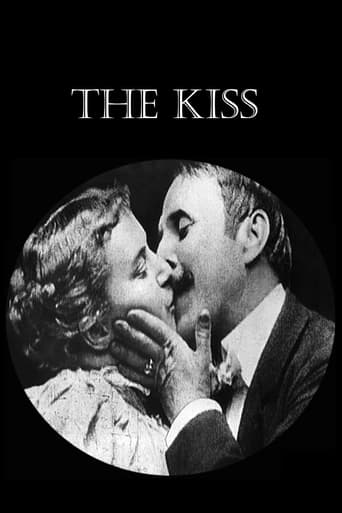
Made history by appearing in one of cinema's earliest and most controversial films. He was primarily known as a theatrical performer during the late 19th century, working on Broadway and in touring productions before the advent of motion pictures. Rice's most enduring legacy comes from his appearance in 'The Kiss' (1896), a short film directed by William Heise for the Edison Manufacturing Company. In this 47-second film, Rice and his co-star May Irwin recreated a kiss from their Broadway play 'The Widow Jones,' which became the first kiss ever recorded on film. The film caused considerable scandal and moral outrage in Victorian society, leading to calls for censorship and the film being denounced as 'disgusting' by critics. Despite the controversy, the film became a commercial success and was one of Edison's most popular early productions. Rice's film career appears to have been limited to this single appearance, as he returned to stage acting afterward, making him a fascinating footnote in cinema history as one of the very first film actors.
The Craft
On Screen
Stage theatrical style typical of the late 19th century, featuring exaggerated gestures and dramatic expressions suitable for both theater audiences and early film cameras
Milestones
- Appeared in 'The Kiss' (1896), one of the first films ever made
- Participated in the first kiss recorded in cinema history
- Transitioned from stage to early film work
- Performed with Broadway star May Irwin
Best Known For
Iconic Roles
Must-See Films
Accolades
Special Recognition
- Recognized as one of the first film actors in cinema history
- Part of the Edison Manufacturing Company's early film legacy
Working Relationships
Worked Often With
Studios
Why They Matter
Impact on Culture
John C. Rice holds a unique place in cinema history as one of the very first actors to appear in a motion picture. His participation in 'The Kiss' (1896) helped establish film as a medium capable of capturing intimate human moments, pushing the boundaries of what was considered acceptable for public viewing. The controversy surrounding the film sparked early debates about censorship in cinema and helped establish film as a powerful cultural force that could influence public morality. Rice's work, though brief, represents the transitional moment when theater performers began to explore the new medium of motion pictures, helping bridge the gap between stage and screen acting techniques.
Lasting Legacy
John C. Rice's legacy is forever tied to the birth of cinema and the evolution of screen romance. While his filmography consists of only one known appearance, that single 47-second film has become. He represents the first generation of actors who helped establish the visual language of film, particularly in portraying romantic relationships on screen. Film historians and scholars continue to reference 'The Kiss' as a pivotal moment in cinema's development, making Rice an enduring figure in the story of how motion pictures became the dominant art form of the 20th century.
Who They Inspired
As one of cinema's earliest performers, John C. Rice influenced the development of screen acting by demonstrating that theatrical performances could be adapted to the new medium of film. His work with May Irwin helped establish that intimate, romantic moments could be effectively captured on camera, paving the way for the countless film romances that would follow. The controversy surrounding their kiss also influenced early film censorship debates and helped establish the idea that cinema could be a controversial and powerful medium for social commentary.
Off Screen
Very little is documented about John C. Rice's personal life, as was common for many early stage actors who appeared in only one or two films. His primary career was in theater, and he was working professionally enough to be cast opposite the famous Broadway star May Irwin in their stage production 'The Widow Jones,' which led to their film appearance together.
Did You Know?
- 'The Kiss' (1896) was only 47 seconds long but became
- The kiss in the film was recreated from a scene in the Broadway play 'The Widow Jones'
- The film caused such outrage that it was denounced by moral reformers and led to early censorship discussions
- The film was shown at the first public film screening in West Orange, New Jersey
- Both Rice and Irwin were already established stage actors before making the film
- The Edison Company sold copies of the film for $7.50 each, a considerable sum at the time
- The film was reportedly one of Thomas Edison's personal favorites among his studio's productions
- The kiss was considered scandalous because it showed actual physical intimacy rather than the chaste pecks typical of stage performances
- Rice and Irwin never made another film together, returning to their stage careers
- The film has been preserved by the Library of Congress and is in the public domain
Frequently Asked Questions
Who was John C. Rice?
Stage with credits in this catalog.' He was primarily a theatrical performer who worked with Broadway star May Irwin before transitioning briefly to the new medium of motion pictures.
What films is John C. Rice best known for?
Titles linked here include The Kiss (1896).
When was John C. Rice born and when did he die?
Unfortunately, specific birth and death dates for John C. Rice are not documented in historical records, which was common for many stage actors of the late 19th century who appeared in only one or two early films.
What awards did John C. Rice win?
John C. Rice did not receive any formal awards or recognition during his lifetime, as the film industry's award systems had not yet been established in 1896. His significance is now recognized historically as one of cinema's performers.
What was John C. Rice's acting style?
Rice employed the theatrical acting style typical of late 19th-century stage performers, featuring exaggerated gestures and dramatic expressions. This style was well-suited to early film technology, which required broad movements to be clearly visible to audiences.
Why was 'The Kiss' (1896) so controversial?
The film caused controversy because it showed what was considered an intimate, prolonged kiss between a man and woman on screen, which shocked Victorian sensibilities. The film was denounced as immoral and inappropriate, leading to early debates about film censorship.
Did John C. Rice continue making films?
No, John C. Rice appears to have returned to stage acting after his single film appearance. This was typical of many early film performers who viewed motion pictures as a novelty rather than a serious career path in the 1890s.