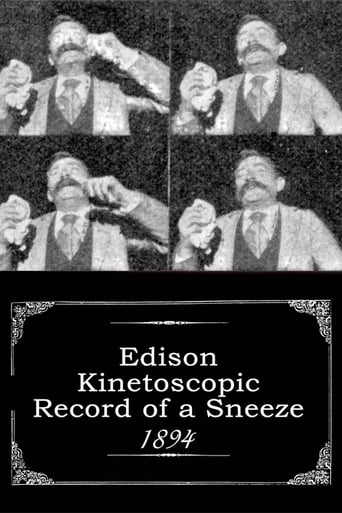
Films
13 films

About William Heise
American filmmaker who worked as a director and cinematographer for Thomas Edison's laboratory during the birth of cinema. He in creating some of the earliest motion pictures in history, collaborating closely with William Kennedy Laurie Dickson, Edison's primary assistant in developing motion picture technology. Heise directed the Monkeyshines series in 1889-1890, which were among the first films ever made in the United States. His work helped establish both the technical capabilities and artistic possibilities of the new medium of motion pictures. During his brief but influential career from 1889 to 1896, Heise directed numerous short films that captured everything from athletic performances to everyday activities, helping define the language of early cinema. Though his name is less remembered than Edison's, Heise was instrumental in transforming motion pictures from a scientific curiosity into a form of entertainment and art. His contributions laid essential groundwork for the entire film industry that would follow.
The Craft
On Screen
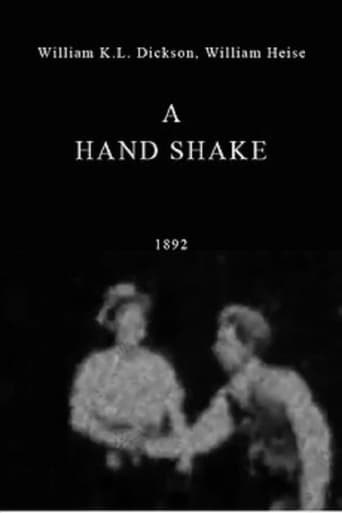
Heise had minimal acting experience, appearing only in 'A Hand Shake' (1892), where early acting was characterized by simple, direct gestures and movements suitable for the limited technical capabilities of early cameras. His performance, like most of the era, was theatrical and exaggerated to ensure visibility and clarity in the crude recording conditions of early motion picture equipment.
Behind the Camera
Heise's directing style was foundational and experimental, characterized by static, single-camera shots that captured entire scenes without editing or camera movement. He focused on documenting action and movement in a straightforward manner, often filming theatrical performances, athletic demonstrations, or everyday activities. His approach emphasized clarity and visibility, using natural lighting and simple compositions that worked within the technical limitations of early film equipment.
Milestones
- Directed Monkeyshines, No. 1 (1889), one of the first American motion pictures
- Worked as primary director for Edison Manufacturing Company
- Collaborated with William Kennedy Laurie Dickson on early film technology
- Pioneered early cinematic techniques and camera work
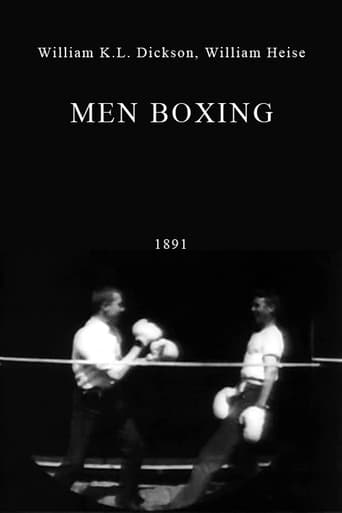
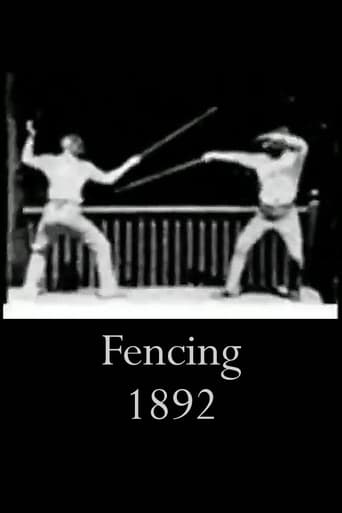
- Created some of the first sports films including Men Boxing (1891) and Fencing (1892)
Best Known For
Iconic Roles
Must-See Films
Accolades
Special Recognition
- Recognized as a pioneer of American cinema by film historians
Working Relationships
Worked Often With
Studios
Why They Matter
Impact on Culture
William Heise's work represents the dawn of American cinema, helping establish motion pictures as both a technical achievement and an artistic medium. His films, though brief and simple, demonstrated the potential of moving images to capture and preserve moments of human activity and performance. By directing some of the first films ever made in the United States, Heise contributed to the development of cinematic language and techniques that would evolve into the complex art form of cinema. His work with Edison helped establish the United States as an early leader in film technology and production.
Lasting Legacy
William Heise's legacy lies in his role as one of cinema's first directors, creating foundational works that demonstrated the possibilities of motion pictures. His films are now studied as crucial historical documents showing the birth of cinema and the earliest attempts at capturing movement on film. While his name may not be widely known to the public, film historians recognize Heise as an essential figure in the development of American cinema, whose work helped transform Edison's technological experiments into the beginnings of the film industry.
Who They Inspired
Heise influenced the very concept of what a film could be, establishing basic techniques like single-shot composition and the documentation of action that would become fundamental to cinema. His work with boxing and fencing films helped establish sports as a popular subject for motion pictures. The straightforward, documentary style he employed would influence generations of filmmakers, particularly in non-fiction and experimental cinema. His collaborations with Dickson helped establish the director-cinematographer relationship that would become standard in film production.
Off Screen
Very little is documented about William Heise's personal life, as was common for many early film technicians who worked behind the scenes. He was primarily known through his professional work with Edison's laboratory rather than through public persona or celebrity. Historical records from this period often focused on the more prominent figures like Edison, leaving technical staff like Heise with limited biographical documentation.
Did You Know?
- Monkeyshines, No. 1 (1889) was one of the first motion pictures ever made in the United States
- Heise worked with Edison's Kinetoscope, an early motion picture device that allowed individual viewing
- Many of his films were only a few seconds long due to technical limitations
- He often filmed Edison employees and laboratory workers as subjects
- His boxing film 'Men Boxing' (1891) is considered one of the first sports films ever made
- Heise was one of the first people to use a motion picture camera professionally
- His work helped establish New Jersey as an early center of American film production
- The exact dates of his birth and death remain unknown to historians
- He worked during the period when film was transitioning from scientific curiosity to entertainment
- His films were originally shown on Edison's Kinetoscope peep-show devices, not projected on screens
Frequently Asked Questions
Who was William Heise?
American on YTB.my. He was instrumental in creating some of the first motion pictures ever made in the United States, including the famous Monkeyshines series.
What films is William Heise best known for?
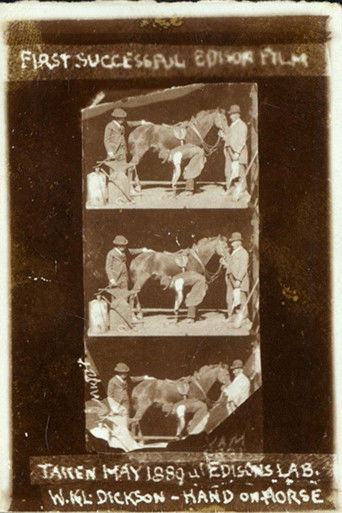
Titles linked here include Monkeyshines, No. 1 (1889), Monkeyshines, No. 2 (1889).
When was William Heise born and when did he die?
Unfortunately, the exact birth and death dates of William Heise are not known to historians. He was active as a filmmaker from 1889 to approximately 1896, working during the crucial early years of cinema development.
What awards did William Heise win?
William Heise did not receive formal awards during his lifetime, as the film industry and its award systems had not yet been established. However, he is recognized by film historians as a crucial pioneer of American cinema for his foundational work in early motion picture production.
What was William Heise's directing style?
Heise's directing style was characterized by static, single-camera shots that captured entire scenes without editing. He focused on documenting action and movement in a straightforward manner, working within the technical limitations of early film equipment to create clear, visible images of performances and activities.
How did William Heise contribute to early cinema?
Heise contributed to early cinema by helping establish motion pictures as a viable medium for entertainment and documentation. His work with Edison's laboratory helped develop both the technical capabilities and artistic language of cinema, creating foundational works that demonstrated what could be achieved with moving images.
What was the significance of Monkeyshines, No. 1?
Monkeyshines, No. 1 (1889) is historically significant as one of the first motion pictures ever made in the United States. It was an experimental film created to test Edison's Kinetoscope technology and represents a crucial milestone in the development of American cinema.