Films
1 film
About Ludwig Rex
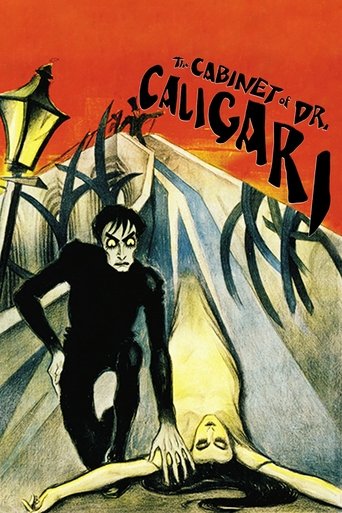
German actor who achieved his most notable screen recognition through his brief appearance in Robert Wiene's Expressionist masterpiece 'The Cabinet of Dr. Caligari' (1920). His career appears to have been extremely brief, with film records indicating activity only during the year 1920, coinciding with the height of German Expressionist cinema. Rex portrayed one of the carnival workers or fairground attendants in the film, contributing to the unsettling atmosphere that made Caligari a landmark of psychological horror. Like many supporting actors of the silent era, his filmography remains largely undocumented beyond this work, suggesting he may have been a theatrical actor who transitioned briefly to film or a performer who found limited opportunities in the burgeoning German film industry. His participation in Caligari places him within the revolutionary artistic movement that would influence cinema for decades, though individual details about his life and career remain scarce.
The Craft
On Screen
As a supporting actor in German Expressionist cinema, Rex likely employed the exaggerated, stylized acting techniques characteristic of the movement, using dramatic gestures and facial expressions to convey psychological states in the silent medium
Milestones
- Appeared in 'The Cabinet of Dr. Caligari' (1920),
- Participated in the German Expressionist movement during its peak
- Contributed to the atmospheric horror of early psychological cinema
Best Known For
Iconic Roles
Must-See Films
Working Relationships
Worked Often With
Studios
Why They Matter
Impact on Culture
While Ludwig Rex's individual contribution to cinema was minimal, his participation in 'The Cabinet of Dr. Caligari' makes him part of. The German Expressionist style pioneered in Caligari would influence film noir, horror cinema, and psychological thrillers for decades to come. As one of the atmospheric contributors to this landmark film, Rex played a small role in establishing visual and thematic conventions that would define genre cinema throughout the 20th century.
Lasting Legacy
Ludwig Rex's legacy is inextricably linked to his single documented appearance in 'The Cabinet of Dr. Caligari,' ensuring his place in film history as a contributor to one of cinema's most revolutionary works. While he never achieved stardom or a substantial career, his name appears in the credits of a film that continues to be studied, analyzed, and revered by film scholars, students, and enthusiasts worldwide. His story represents the countless anonymous performers who helped create cinematic masterpieces during the silent era.
Who They Inspired
Given his brief and documented career, Ludwig Rex had no known direct influence on other actors or filmmakers. However, as part of the ensemble that brought German Expressionism to the screen, he indirectly contributed to a style that would influence countless future artists, from Alfred Hitchcock to Tim Burton, and from film noir directors to contemporary horror filmmakers.
Off Screen
Very little is documented about Ludwig Rex's personal life, which is typical for many supporting actors from the silent era whose careers were brief and who worked outside the major star system. The scarcity of records suggests he may have primarily worked in theater or had a professional name that differed from his birth name, making biographical research difficult.
Did You Know?
- Appeared in only one known film during his entire career
- His name appears in the credits of
- Like many German actors of his era, his career coincided with the politically turbulent Weimar Republic period
- The Cabinet of Dr. Caligari was his only known film credit, yet it became
- German Expressionist actors often came from theatrical backgrounds, suggesting Rex may have had stage experience
- The film he appeared in was initially controversial but later recognized as a masterpiece
- His brief active years covered the same year that the Expressionist movement reached its peak in German cinema
Frequently Asked Questions
Who was Ludwig Rex?
German with credits in this catalog. Caligari.' His career appears to have been extremely brief, with documented film work only in 1920, making him one of the many supporting actors from early cinema whose lives remain largely undocumented.
What films is Ludwig Rex best known for?
Titles linked here include The Cabinet of Dr. Caligari (1920).
When was Ludwig Rex born and when did he die?
Unfortunately, specific birth and death dates for Ludwig Rex are not documented in available film archives or historical records, which is common for many supporting actors from the silent era who had brief careers and limited public recognition.
What awards did Ludwig Rex win?
Ludwig Rex did not receive any documented awards or nominations during his brief career in 1920. The award systems we know today, including the Academy Awards, were not established during his period of activity, and supporting actors in early German cinema rarely received formal recognition.
What was Ludwig Rex's acting style?
As an actor in German Expressionist cinema, Rex likely employed the stylized, exaggerated acting techniques characteristic of the movement, using dramatic gestures and intense facial expressions to convey psychological states in the silent medium. This approach was essential for creating the unsettling atmosphere that defined films like 'Caligari'.